


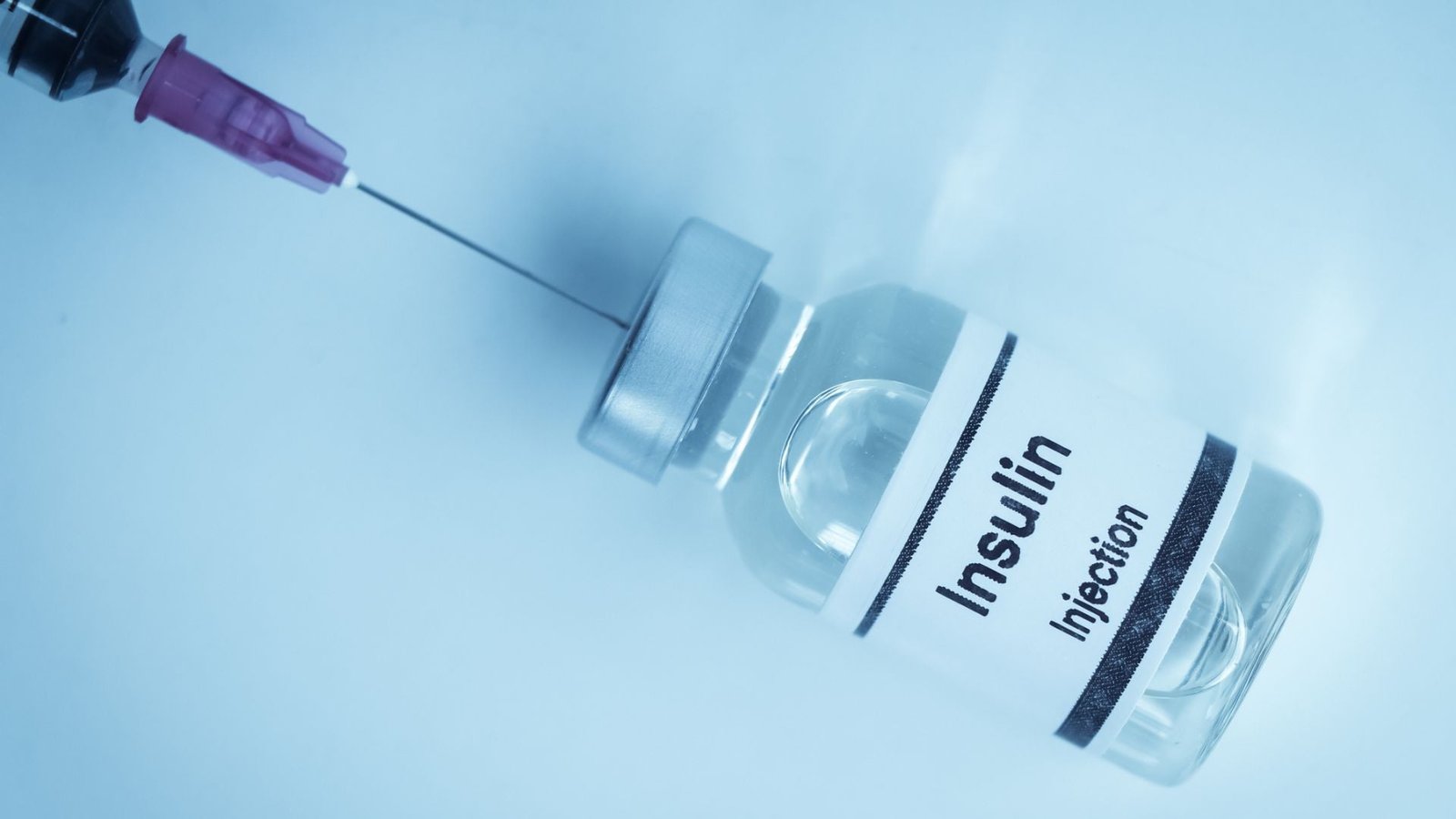
Eli Lilly is scaling back the rollout of its traditional insulin in Europe, with plans to discontinue some products for “commercial reasons.”
The company will remove several insulin products in some European countries, including rapid-acting, fast-acting, mixed-acting and long-acting repeat products of its products, including human insulin, insulin lispro and insulin glargine, the European Medicines Agency (EMA) announced on Monday.
All of these retirements are expected to occur by the second quarter of 2027, although the specific products and retirement schedules will vary by European country.
The exit includes versions of Humalog and Avasagra and comes as Lilly increasingly relies on its high-growth GLP-1 portfolio.
The EMA is calling the update a supply shortage, but Lilly notes that it has “decided to withdraw some insulin drugs for commercial reasons,” rather than safety or quality issues.
Specifically, Lilly will discontinue Humalog Mix 25, a mixture of 25% insulin lispro and 75% insulin lisproprotamine, in all European countries where it is currently sold.
Several other multi-dose insulin products are scheduled to be discontinued, according to a related Medical Shortage Notice (PDF). These products include short-acting and fast-acting Rymujev in different dosage strengths, Humulin S (human insulin), Humalog, Reprolog, intermediate-acting Humulin I, mixed-acting Humalog Mix50 and Humulin M3, as well as long-acting Avasaglar (known as Basaglar in the United States).
In a shortfall notice to healthcare workers in European member states, the company said the decision was taken after “careful consideration and thorough market assessment.” Lilly emphasized that the discontinuation is “not the result of any safety, efficacy, or quality-related issues.” The drug company further emphasized that patients should switch to alternative insulin therapy before discontinuation takes effect to avoid missed doses, and that doses may need to be adjusted based on potential differences with alternative products.
The discontinuation of Lilly’s Humalog already affected the UK last year, with notices being issued that stocks of certain products would run out by April and May 2026.
Humalog entered the U.S. market in 1996 as the world’s first fast-acting insulin analogue. Since then, the company’s “Humalog family” has grown to include multiple different treatment options.
These days, Lilly’s diabetes portfolio is dominated by new blockbusters such as GLP-1 Mounjaro and Jardiance, which is partnered with Boehringer Ingelheim, so the company hasn’t reported specific sales figures for Humalog in 2025. Humalog’s sales in 2024 were $2.3 million, down 40% from the previous year.
The drug has been the subject of a price controversy, with a years-long lawsuit accusing Lilly and fellow insulin makers Sanofi and Novo Nordisk of “insidious” price competition that has caused prices to skyrocket. Lilly moved to settle the nationwide class action lawsuit for $13.5 million, but the deal was canceled in 2024.
The company continues its efforts to lower insulin prices, ultimately cutting the price of insulin by 70% in 2023, and recently cutting the price of other versions of insulin by 70% as well. Still, Lilly still hasn’t escaped pricing concerns, with the state of Indiana filing a lawsuit in January accusing the company of artificially inflating insulin prices.
