


These are wartime policies even though these countries are not actually at war. But they all get caught within the blast radius of fighter jets fighting thousands of miles away. That’s because the closure of the Strait of Hormuz, triggered by the U.S. and Israeli offensive against Iran that began on February 28, has triggered a crisis that has reached kitchens, classrooms, hospitals, and fields across the Global South.
The strait, 21 miles wide at its narrowest point, carried 20 percent of the world’s oil, 20 percent of its liquefied natural gas (LNG), a third of its marine fertilizers, and nearly half of its sulfur exports before the war. Shipments of primary products fell by 95 percent. The strait is effectively closed, with cascading effects on the lives of an estimated 3.2 billion people in countries currently facing some form of fuel rationing, power outages and energy restrictions.
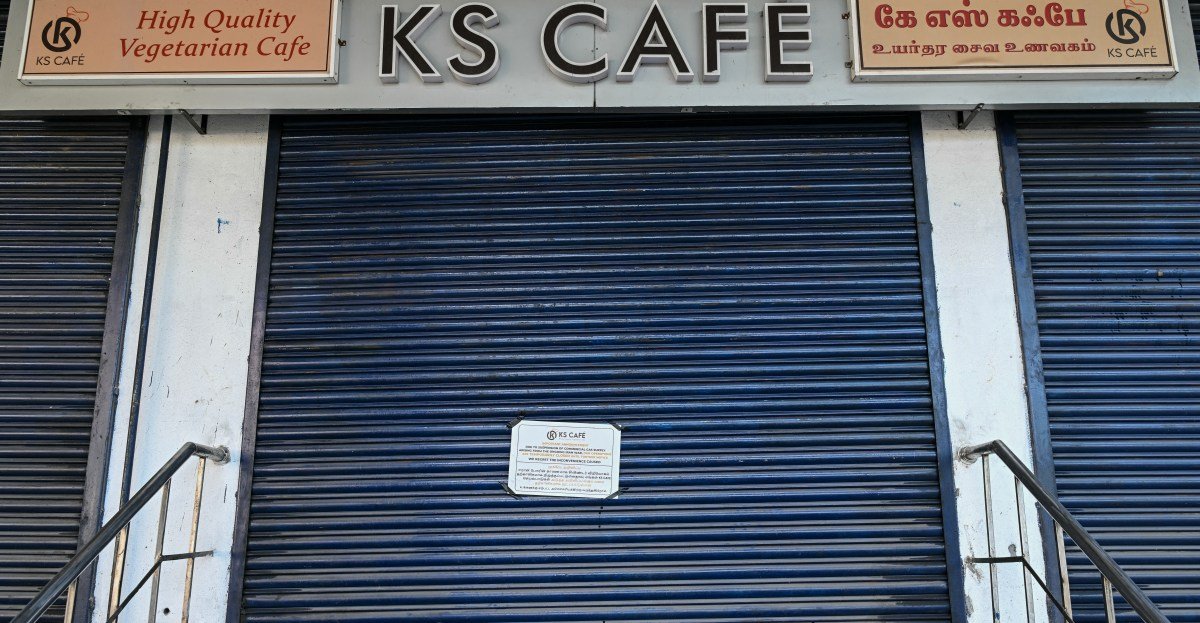
Let’s start with food. The disruption occurred almost immediately, as India imports most of its cooking gas through the strait. The black market price of a single liquefied petroleum gas (LPG) cylinder that powers a home’s kitchen has nearly tripled. Restaurants across the country have reduced their menus. A 70-year-old restaurant in Mumbai has cut down its elaborate Ramadan multi-course meal to just four dishes. A chain restaurant in the same city has completely stopped selling dosas that require an open gas flame. A hand-painted signboard at a restaurant in Bangalore has gone viral. “Due to the gas cylinder crisis (due to the war between Iran and America), there will be no roti.” Approximately 10,000 restaurants face closure in Tamil Nadu alone.
While the fertilizer crisis has not yet had the same level of immediate impact, the long-term effects appear to be severe. The Gulf produces about a third of global exports of urea, a key ingredient in fertilizer, and the closures hit at the worst possible time in the agricultural calendar, just as farmers in the Northern Hemisphere need to spread fertilizer in preparation for spring planting.
Bangladesh has closed four of its five state-run urea factories. In Nepal, which does not produce any chemical fertilizers domestically, urea prices have soared 40% ahead of the crucial paddy season. In Brazil, sugar mills are converting new harvests into ethanol, which is more profitable with oil prices above $100 a barrel, potentially tightening global sugar supplies for months.
The World Food Program warns that an additional 45 million people worldwide could become severely food insecure. This is a 15% increase from current hunger levels. As if that were not enough, the closure of the strait has left vital UN food aid stuck in warehouses in Dubai, paralyzing relief agencies’ ability to get supplies to where they are needed most.
Additionally, there are environmental impacts, which may be the most significant long-term effects of the crisis.
Disruptions in relatively clean LNG supplies have triggered a resurgence in coal across Asia and elsewhere. Japan plans to scrap rules that required its oldest and dirtiest coal-fired power plants to operate at less than 50 percent capacity. This means more carbon dioxide and other pollution is emitted into the atmosphere. South Korea has lifted its own seasonal restrictions on coal-fired power generation and postponed the retirement of three coal-fired power plants. Thailand, the Philippines, and Indonesia are all expanding their coal operations. And in Europe, Germany is considering whether to restart idled coal-fired power plants.
Coal companies, whose products are the single biggest contributors to climate change, are benefiting from it. Australia’s Yancoal is up 40% since the war began, while Pennsylvania-based Core Natural Resources is up 30%. Furthermore, once coal-fired power plants start operating, it becomes politically difficult to shut them down again, which could lead to long-term carbon sequestration. And it’s not just about climate change. The Indian government has officially allowed restaurants and hotels to burn wood, dried crops and cow dung, but in a single directive it has undoing years of progress in clean fuels and putting more lives at risk in the process.
If you squint, there may finally be a silver lining to all of this. Already more than 70% of new car sales in Nepal are electric vehicles. Electric rickshaws are sold out in Pakistan. Chinese electric car maker BYD now expects overseas sales to increase 15% over pre-war expectations. One energy analyst called this “Asia’s Ukraine moment.” This is a shock that could accelerate the transition to renewable energy in the same way that Russian aggression pushed Europe toward wind and solar power.
But rushing the transition to clean energy will not put food on the table for billions of people in the Global South, and in the short term, increased use of coal and other polluting fuels will put more lives at risk around the world. The world’s poor may not be taking part in the Iran war, but they are certainly suffering from it.
A version of this story was originally future perfect Newsletter. Please register here!
I read 1 article last month
Here at Vox, we’re unwavering in our commitment to covering the issues that matter most to you: democracy, immigration, reproductive rights, the environment, and the growing threat of polarization across our country.
Our mission is to provide clear, accessible journalism that lets you stay informed and help shape your world. Becoming a Vox member directly strengthens our ability to provide in-depth, independent reporting that drives meaningful change.
We count on readers like you. Please join us.

Swati Sharma
vox editor in chief
