

Close Menu

    Subscribe to Updates

    Get the latest creative news from FooBar about art, design and business.

    What's Hot

    Ice protecting Alaska is disappearing faster than expected

    March 27, 2026

    Political pressure increases on medical schools over DEI initiatives

    March 27, 2026

    Researchers link Agent Orange exposure to MDS blood cancer

    March 27, 2026
    Facebook X (Twitter) Instagram
    Facebook X (Twitter) Instagram
    Health Magazine
    • Home
    • Environmental Health
    • Health Technology
    • Medical Research
    • Mental Health
    • Nutrition Science
    • Pharma
    • Public Health
    • Discover
      • Daily Health Tips
      • Financial Health & Stability
      • Holistic Health & Wellness
      • Mental Health
      • Nutrition & Dietary Trends
      • Professional & Personal Growth
    • Our Mission
    Health Magazine
    Home » News » Ice protecting Alaska is disappearing faster than expected
    Nutrition Science

    Ice protecting Alaska is disappearing faster than expected

    healthadminBy healthadminMarch 27, 2026No Comments4 Mins Read
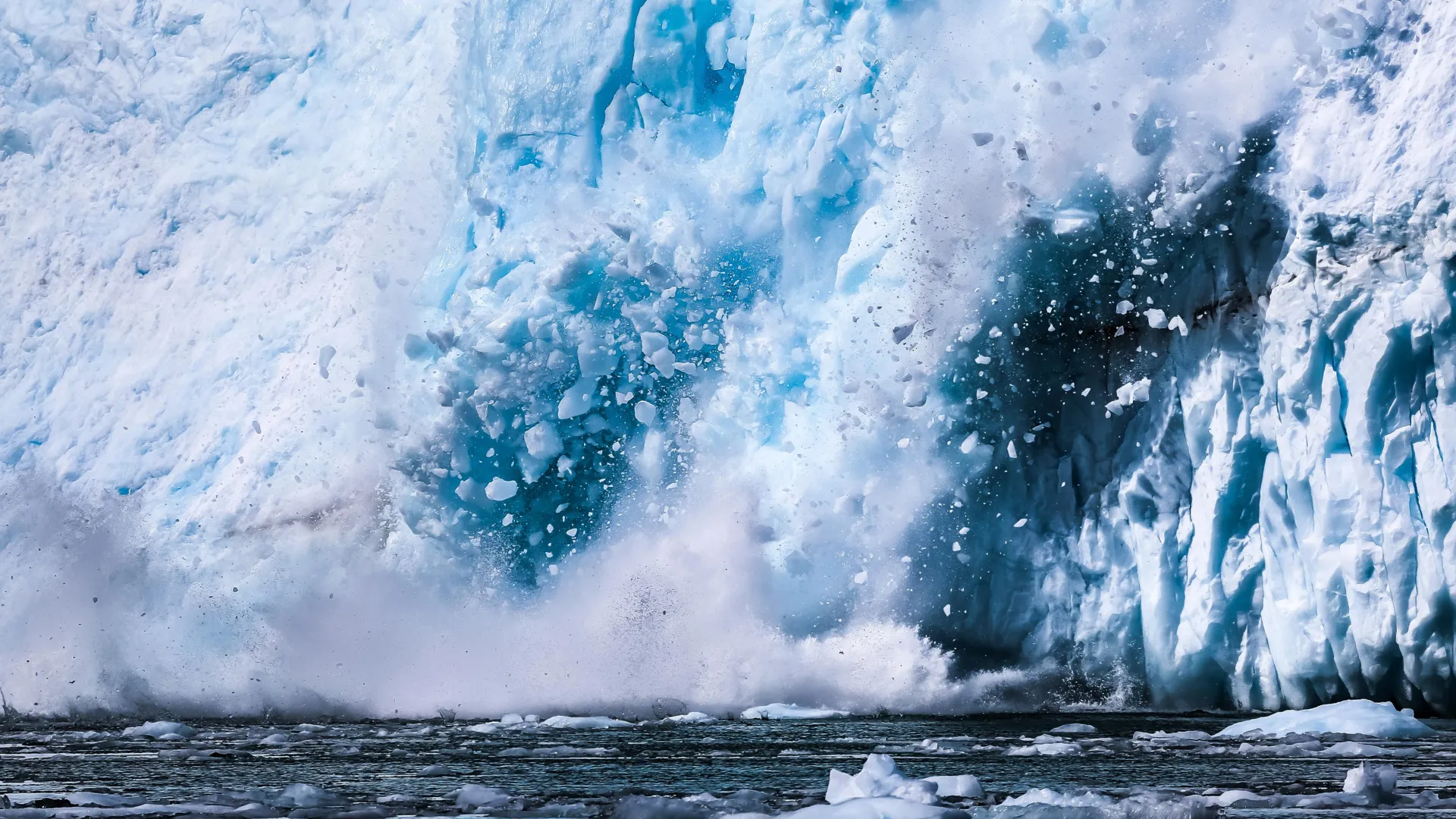
    Ice protecting Alaska is disappearing faster than expected
    Share
    Facebook Twitter Reddit Telegram Pinterest Email


    Based on 27 years of data analyzed by scientists at the University of Alaska Fairbanks, the length of time that sea ice remains on Alaska’s northern coastline is getting shorter and shorter each year.

    This type of ice, known as fast ice because it remains fixed to the shore rather than drifting away with wind or ocean currents, has started covering smaller areas in recent winters.

    The study, led by Professor Andrew Mahoney of the University of Alaska Fairbanks Geophysical Institute, was published in January in the Journal of Geophysical Research: Oceans. Former UAF graduate student Andrew Einhorn contributed as a co-author.

    The latest study builds on Mahoney’s earlier work in 2014, which looked at data from 1996 to 2008, and extends the timeline to 2023. The analysis focuses on the Chukchi and Beaufort Seas.

    Decline extends to the Beaufort Sea

    Land ice in the Chukchi Sea has been decreasing for decades. The new findings show that the Beaufort Sea is now experiencing a similar decline after remaining relatively stable from the 1970s to the early 2000s.

    “Landfast ice is the ice that people use,” Mahoney said. “It has a more direct connection to humans.”

    Communities rely on this stable ice to go hunting and fishing. It also supports seasonal ice roads used by the oil and gas industry to access coastal infrastructure. In addition, land ice acts as a natural barrier, reducing the impact of waves on shorelines and allowing river water to spread offshore.

    “For coastal regions, the shortening of the ice season may be more important than the loss of ice cover during it, because it makes coastlines more exposed to waves and makes hunting conditions more unstable,” Mahoney said.

    Subsequent freezing prompts change.

    The main cause of the reduced season is ice formation later in the year. Even when temperatures drop below freezing in the fall, the ocean retains heat longer, slowing the formation of solid ice along the coast.

    From 1996 to 2023, the land ice season shortened by 57 days in the Chukchi Sea and 39 days in the Beaufort Sea. In Chukotka, this change reflects both late ice formation and early ice collapse. In Beaufort, the reductions are primarily related to formation delays.

    Why is landfast ice important?

    Land ice attaches to coasts in several ways. It may freeze directly to the shoreline, anchor in shallow areas of the ocean floor, or attach to grounded ice ridges. These ridges form when chunks of sea ice are pushed toward the coast and build up until they are thick enough to stay on the ocean floor.

    “Land ice is decreasing along with the rest of the Arctic ice,” Mahoney said. “In some ways, we’re following the same trends that we see in other parts of the Arctic, but we’re also seeing some new changes.”

    The ice gets thinner and there are fewer anchors.

    The decline in Beaufort Sea land ice is also reflected in its share of total land ice on the entire outer U.S. continental shelf. That percentage dropped from 3.8% in the first nine years of the 27-year dataset to 2% in the most recent nine years (2014-2023).

    Researchers also found that Beaufort Sea ice does not extend as far offshore as it once did. Previously, they regularly reached waters around 20 meters deep, which set them apart from other Arctic regions where land ice was already receding.

    The researchers suggest that this change may be related to overall thinning of the Arctic sea ice. As the ice becomes thinner, there are fewer grounding ridges with foundations deep enough to anchor the ice to the ocean floor.

    “We see evidence that the grounding ridge is not forming where it once was,” Mahoney said.

    Unanswered questions about ice formation

    Mahoney noted that more research is needed to understand exactly why these changes occur.

    “This is where the chicken-and-egg part comes in, because once the ridge falls to the ground, it acts like a traffic jam. More ice accumulates there, and it gets bigger and bigger,” he says.

    “But we still don’t know whether the movement at the beginning of the ridge is simply not occurring, or whether the subsequent traffic congestion is not occurring,” he said. “For some reason, we don’t see any evidence of it touching down where the ridge was forming, which is an expected result of thinning ice.”

    The study utilized data from the National Ice Center and the National Weather Service Alaska Sea Ice Program.


    Source link

    Visited 1 times, 1 visit(s) today
    Share. Facebook Twitter Pinterest LinkedIn Telegram Reddit Email
    Previous ArticlePolitical pressure increases on medical schools over DEI initiatives
    healthadmin

    Related Posts

    Scientists discover nutrients honey bees are missing – colonies soar 15 times

    March 27, 2026

    When this dangerous combination occurs in your body, your risk of death can increase by 83%

    March 27, 2026

    Scientists develop transparent nail polish that allows you to use touch screens even with long nails

    March 27, 2026

    River migration collapses, causing freshwater fish populations to decline by 81%

    March 27, 2026

    Scientists discover cellular ‘overflow valve’ linked to Parkinson’s disease

    March 26, 2026

    What you do in midlife may determine how long you will live

    March 26, 2026
    Add A Comment
    Leave A Reply Cancel Reply

    Categories

    • Daily Health Tips
    • Discover
    • Environmental Health
    • Exercise & Fitness
    • Featured
    • Featured Videos
    • Financial Health & Stability
    • Fitness
    • Fitness Updates
    • Health
    • Health Technology
    • Healthy Aging
    • Healthy Living
    • Holistic Healing
    • Holistic Health & Wellness
    • Medical Research
    • Medical Research & Insights
    • Mental Health
    • Mental Wellness
    • Natural Remedies
    • New Workouts
    • Nutrition
    • Nutrition & Dietary Trends
    • Nutrition & Superfoods
    • Nutrition Science
    • Pharma
    • Preventive Healthcare
    • Professional & Personal Growth
    • Public Health
    • Public Health & Awareness
    • Selected
    • Sleep & Recovery
    • Top Programs
    • Weight Management
    • Workouts
    Popular Posts
    • the-pros-and-cons-of-paleo-dietsThe Pros and Cons of Paleo Diets: What Science Really Says April 16, 2025
    • Improve Mental Health10 Science-Backed Practices to Improve Mental Health… March 11, 2025
    • How Healthy Living Is Transforming Modern Wellness TrendsHow Healthy Living Is Transforming Modern Wellness… December 3, 2025
    • "The Best Daily Health Apps to Track Your Wellness Goals"The Best Daily Health Apps to Track Your Wellness… August 15, 2025
    • Healthy Living: Expert Tips to Improve Your Health in 2026Healthy Living: Expert Tips to Improve Your Health in 2026 November 16, 2025
    • daily vitamin D needsWhy Sunlight Is Crucial for Your Daily Vitamin D Needs June 12, 2025

    Demo
    Stay In Touch
    • Facebook
    • Twitter
    • Pinterest
    • Instagram
    • YouTube
    • Vimeo
    Don't Miss

    Ice protecting Alaska is disappearing faster than expected

    By healthadminMarch 27, 2026

    Based on 27 years of data analyzed by scientists at the University of Alaska Fairbanks,…

    Political pressure increases on medical schools over DEI initiatives

    March 27, 2026

    Researchers link Agent Orange exposure to MDS blood cancer

    March 27, 2026

    Scientists discover nutrients honey bees are missing – colonies soar 15 times

    March 27, 2026

    Subscribe to Updates

    Get the latest creative news from SmartMag about art & design.

    HealthxMagazine
    HealthxMagazine

    At HealthX Magazine, we are dedicated to empowering entrepreneurs, doctors, chiropractors, healthcare professionals, personal trainers, executives, thought leaders, and anyone striving for optimal health.

    Our Picks

    Scientists discover nutrients honey bees are missing – colonies soar 15 times

    March 27, 2026

    When this dangerous combination occurs in your body, your risk of death can increase by 83%

    March 27, 2026

    Scientists develop transparent nail polish that allows you to use touch screens even with long nails

    March 27, 2026
    New Comments
      Facebook X (Twitter) Instagram Pinterest
      • Home
      • Privacy Policy
      • Our Mission
      © 2026 ThemeSphere. Designed by ThemeSphere.

      Type above and press Enter to search. Press Esc to cancel.