


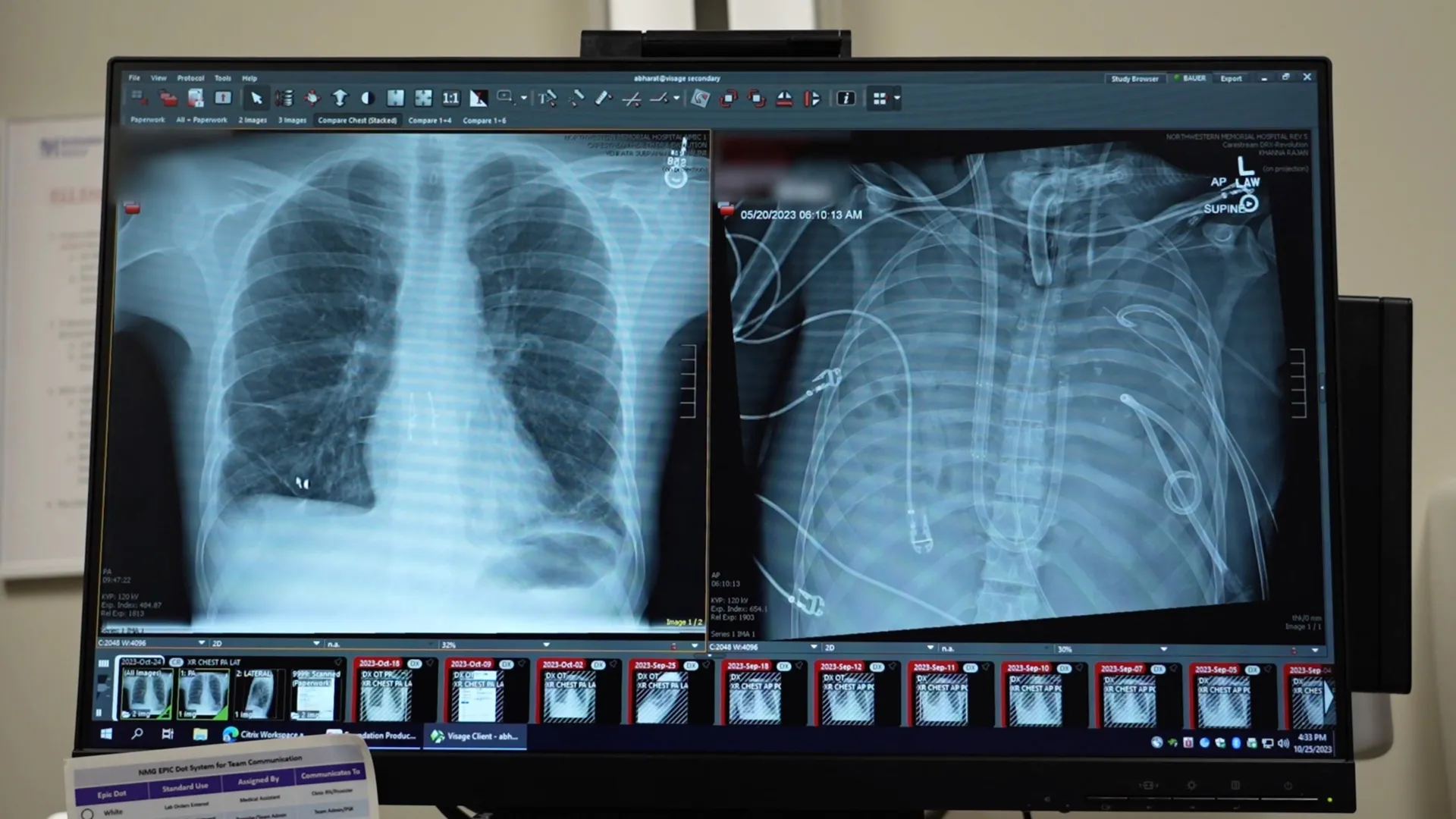
Humans cannot survive without lungs. However, one patient was able to survive for 48 hours without them.
In a report published in Cell Press andsurgeons detail how they removed a man’s severely infected lung and used an “artificial lung” system to keep him alive until a double lung transplant was possible. The case highlights the potential for new ways to keep critically ill patients alive while they wait for organ donation.
Life-threatening cases of ARDS and organ failure
“He was in critical condition. As soon as we arrived, his heart stopped beating. We had to perform CPR,” said lead author Ankit Bharat, a thoracic surgeon at Northwestern University. “When the infection becomes severe enough to dissolve the lungs, the lungs are irreversibly damaged. That’s when the patient dies.”
The patient, a 33-year-old man, developed acute respiratory distress syndrome (ARDS), a dangerous condition in which inflammation and infection overwhelm the lungs. His illness started with influenza and quickly worsened to include bacterial pneumonia. As his condition worsened, his lungs, heart, and kidneys began to fail. At that point, a double lung transplant was his only chance of survival.
Remove the lungs to prevent infection
The man’s lungs could not be saved and were actively contributing to the spread of the infection. However, his body was too unstable to handle the transplant right away, so doctors needed time to stabilize his body.
“The heart and lungs are inherently connected,” Bharat explained. “How do you keep a patient alive if they don’t have lungs?”
To address this, medical teams developed an artificial lung system designed to temporarily take over the role of the lungs. This system oxygenated the blood, removed carbon dioxide, and supported circulation, allowing the heart and other organs to continue functioning even when patients had no lungs.
Artificial lung systems keep patients alive
After the damaged lung was removed, the patient’s condition began to improve. Blood pressure stabilized, organs began to recover, and infections were brought under control. Two days later, donor lungs became available and surgeons successfully completed a double lung transplant. Now, more than two years later, the patient maintains healthy lung function and is leading a normal life.
New evidence of irreversible lung damage
“Traditionally, lung transplants have been limited to patients with chronic conditions such as interstitial lung disease and cystic fibrosis,” said Bharat. “Right now, people think that even if you have severe ARDS, if you continue to support your lungs, your lungs will eventually get better.”
However, tests on the removed lungs revealed a different story. Molecular analysis revealed extensive scarring and immune system damage, clear signs that the tissue would not be able to recover.
“For the first time in biology, we have shown molecular evidence that some patients require double lung transplantation or will not survive,” said Dr. Bharat.
Possibility of becoming a life-saving bridge to transplantation
At present, this approach is limited to highly specialized medical centers with the necessary expertise and resources. Still, Bharat hopes that eventually a more standardized system can be developed to help keep patients alive while they wait for donor lungs.
“In my clinic, young patients die almost every week because no one was aware that transplantation was an option,” Dr. Bharat said. “In cases of severe lung damage caused by respiratory viruses or infections, even in acute cases, lung transplantation can be lifesaving.”
