


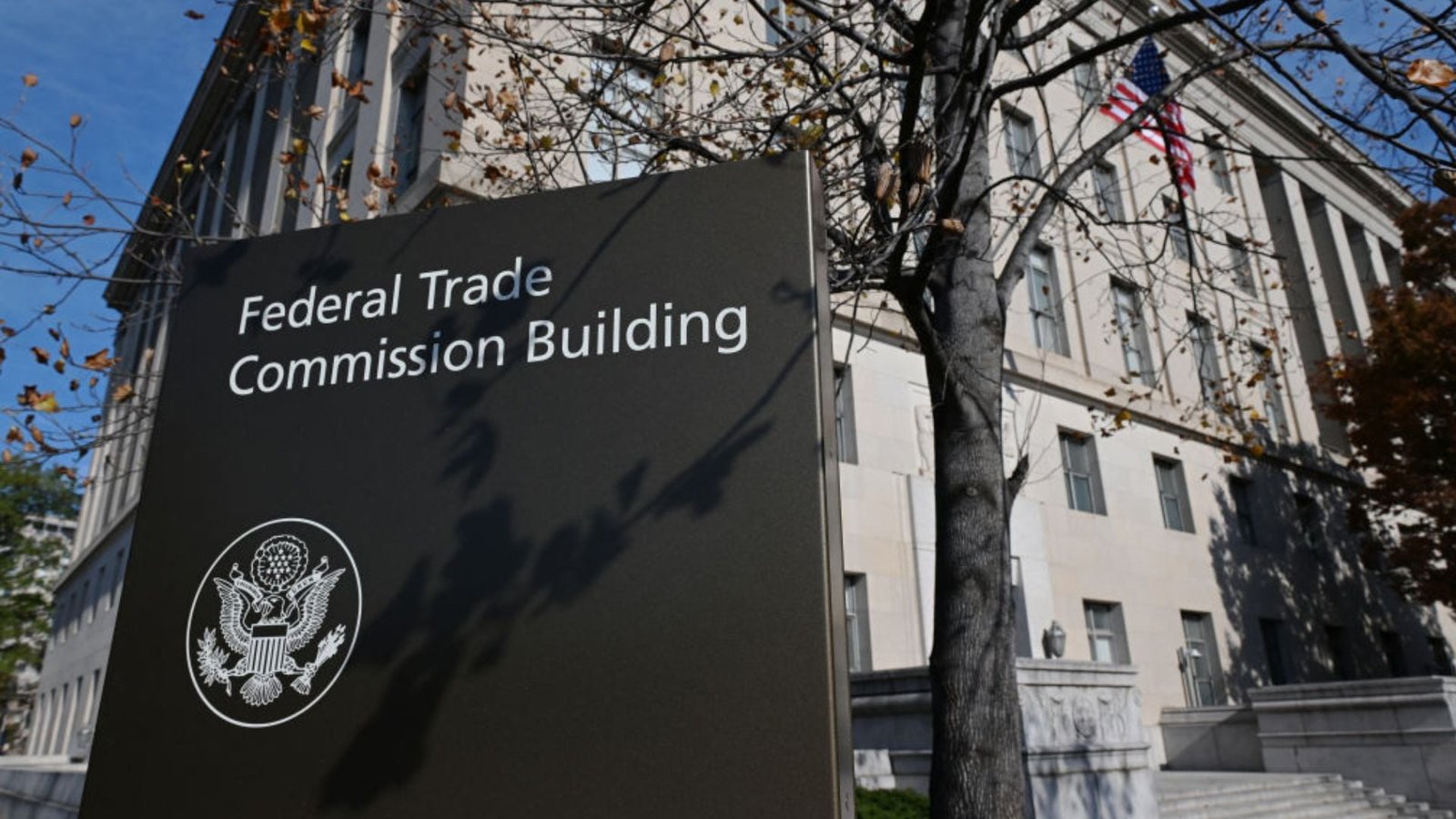
The Federal Trade Commission announced Friday that it is creating a Health Care Task Force to focus more on enforcement and advocacy on competition and consumer protection issues within the industry.
The group will combine teams and efforts from multiple FTC groups (Bureau of Competition, Bureau of Consumer Protection, Bureau of Economic Affairs, Office of Policy and Planning, Office of Technology) and, in some cases, other groups in law enforcement and the health department, the agency and its chairman, Andrew Ferguson, said.
“The task force will develop a consistent agency-wide strategy for new and nascent investigations, establish a proactive and strategic approach to identifying courtroom and interest opportunities, and conduct ongoing scope training to identify emerging issues and new priority areas for enforcement and advocacy,” Ferguson said in a memo of instructions to agency leadership.
The announcement and memo do not outline specific areas or issues that the task force will consider in its work. But the FTC touted the enforcement actions and results achieved over the past year as “victories for the American people.” These include last month’s settlement with Express Scripts over insulin pricing, a cataract surgery device manufacturer abandoning its merger after being cited by regulators, and a $145 million settlement between two companies for misleading consumers seeking comprehensive health insurance.
Ferguson said the effort falls within the FTC’s dual mandate to protect Americans from “unfair or deceptive practices and unfair methods of competition.”
He also cited a February 2025 executive order that primarily focused on price transparency policies and said the creation of the Health Care Task Force is the first step toward the administration’s goal of building a “more competitive, innovative, affordable, and high-quality health care system.”
Mr. Ferguson’s FTC, now led by two Republican commissioners instead of the usual five, and pending a Supreme Court case over the removal of a Democratic commissioner, has generally maintained an enforcement stance against certain health care deals that it believes would disrupt local markets and reduce competition.
However, a cross-government push for merging parties to submit more information to the FTC before a deal was struck by a federal judge in the face of fierce opposition from the private sector. The update is intended to help regulators better identify transactions that may raise competition concerns, with particular emphasis on horizontal transactions, which the FTC said were more difficult to identify under previous standards.
He has also repeatedly stated that he wants regulators to take a tougher stance against anti-competitive practices in the healthcare sector (while still refraining from the outright bans pursued by the agency under his predecessor). The FTC also participates in the Trump administration’s broader goals, including the 10-to-1 deregulation initiative and a crackdown on gender-affirming care services for youth.
