


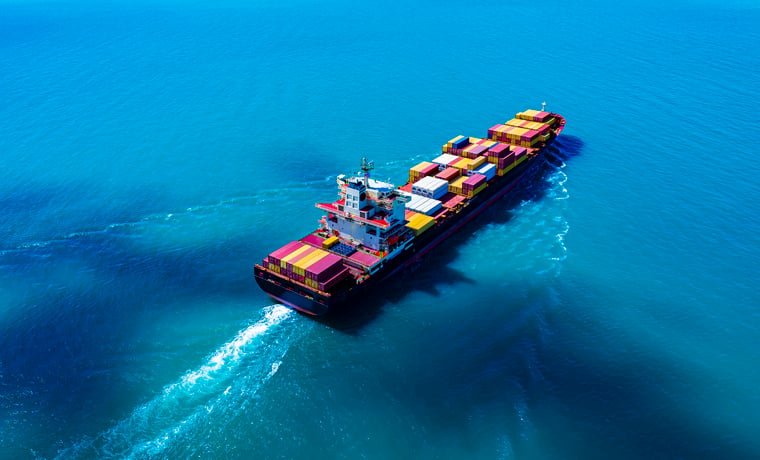
About three weeks have passed since the war between the United States and Israel against Iran began, and the impact of the escalating conflict on regional energy prices and shipping cannot be ignored.
As far as trade is concerned, while much of the immediate concern centers on the flow of oil through the Strait of Hormuz, the resulting rise in transportation and energy costs could have ripple effects across industries, including the pharmaceutical industry.
And with the war engulfing Iran’s neighbors, multiple experts and media outlets have warned in recent days that if the conflict drags on, local shipments of generic exports, clinical trial drugs, and biological products that rely on regional cold chains are likely to come under further pressure.
“As disruptions intensify around the Strait of Hormuz, the most affected shipments are likely to be pharmaceuticals destined for clinical trial distribution,” Alex Gillen, global SME for pharmaceutical and life sciences at Boston-based supply chain visibility company Tive, said in an emailed statement to Fierce Pharma, warning that “commercial distribution will also be impacted.”
When it comes to over-the-counter medicines, “ultra-cold chain transportation carrying biologics is the most susceptible to disruption,” Gillen added.
On a broader level, higher oil prices could impact the supply chains of “most global manufacturers,” Aaron Lorber, manufacturing intelligence lead at AI production platform developer CADDi, said in a separate statement to Fierce.
“Very little industrial product actually passes through the Strait of Hormuz, so the bigger question is how higher oil prices will ripple through the system in transportation costs and energy costs,” he explained.
Still, the curtailment of shipping across the strait is no longer the only issue global companies are grappling with, as the main air transport hub in the strait has also been destroyed, Reuters reported on Monday, warning airports in Dubai, Abu Dhabi and Doha have been shut down in the wake of the Iranian attack.
With supply routes for cancer drugs and other products currently in the cold chain disrupted, pharmaceutical companies are working to reroute flights and block new land access in the region, the news agency said.
Executives at Western pharmaceutical companies told Reuters on condition of anonymity that they were now considering alternative routes to the Gulf, trucking some drugs overland from airports such as Jeddah and Riyadh in Saudi Arabia. There are still no signs of major drug shortages in the Gulf region, but some officials warned that could change if the war drags on.
As an example of how pharmaceutical companies are grappling with the region’s shipping constraints, one executive told Reuters that the company now routes some of its Europe-to-Asia cargo, which normally goes through airports in Dubai and Doha, through China and Singapore. The official said sea transport was not viable given the long schedule and Iran’s closure of the Strait of Hormuz.
CADDi’s Rover estimated that the situation in the Gulf was likely to be “transitory” and warned that if the conflict drags on for several weeks, “hedging against energy cost and inflation risks will become increasingly important.”
He added: “Higher oil prices will likely have an inflationary impact on all manufactured products, compressing margins for U.S. manufacturers.”
Much of the initial focus on drug supplies will be on products destined for the Middle East and other nearby regions, but supply chain experts are already considering the potential impact of war and Iran’s blockade of the Strait on U.S. generic drug supplies.
Nearly half of the generic prescriptions supplied in the United States come from India, which itself relies on the Strait of Hormuz to both receive manufacturing raw materials and transport finished drugs westward, CNBC reported earlier this week, citing Rohit Tripathi, vice president of manufacturing industry strategy at pharmaceutical supply chain software company RELEX Solutions.
India relies on the Strait of Hormuz for about 40% of its crude oil imports, which are petrochemical feedstocks used in pharmaceutical manufacturing, Tripathi said.
The good news is that many manufacturers have buffer stocks for now, meaning potential supply disruptions in the U.S. are still weeks away, said Tripathi, who cited common antibiotics, blood pressure drugs, diabetes drugs such as metformin, and common painkillers as products facing the greatest potential risk.
The story is similar in some other countries close to conflict, such as Pakistan, where the country’s drug regulator has said it does not expect sudden drug price increases, at least for now, given the country’s strategic drug stockpiles, according to Dawn, Pakistan’s oldest English-language newspaper.
At the start of the U.S. and Israeli military action in Iran, many global pharmaceutical companies operating in the Middle East told Fierce Pharma that they were committed to monitoring the safety of their local employees and addressing potential supply disruptions. In particular, Saudi Arabia has seen an increase in the number of international pharmaceutical companies establishing bases or entering into strategic agreements in recent years, attracting companies such as Sanofi, Vertex, and CSL.
Meanwhile, many other pharmaceutical companies boast operations in the region, including Boehringer Ingelheim, Roche, Merck & Co., Novo Nordisk and Takeda.
