Close Menu

    Subscribe to Updates

    Get the latest creative news from FooBar about art, design and business.

    What's Hot

    Genetic research reveals relationship between caffeine intake and sleep timing

    April 6, 2026

    Can psychological resilience prevent extreme social withdrawal?

    April 6, 2026

    New method identifies key proteins that drive harmful immune responses

    April 6, 2026
    Facebook X (Twitter) Instagram
    Facebook X (Twitter) Instagram
    Health Magazine
    • Home
    • Environmental Health
    • Health Technology
    • Medical Research
    • Mental Health
    • Nutrition Science
    • Pharma
    • Public Health
    • Discover
      • Daily Health Tips
      • Financial Health & Stability
      • Holistic Health & Wellness
      • Mental Health
      • Nutrition & Dietary Trends
      • Professional & Personal Growth
    • Our Mission
    Health Magazine
    Home » News » EPA warns microplastics as ‘priority’ contaminant in drinking water
    Environmental Health

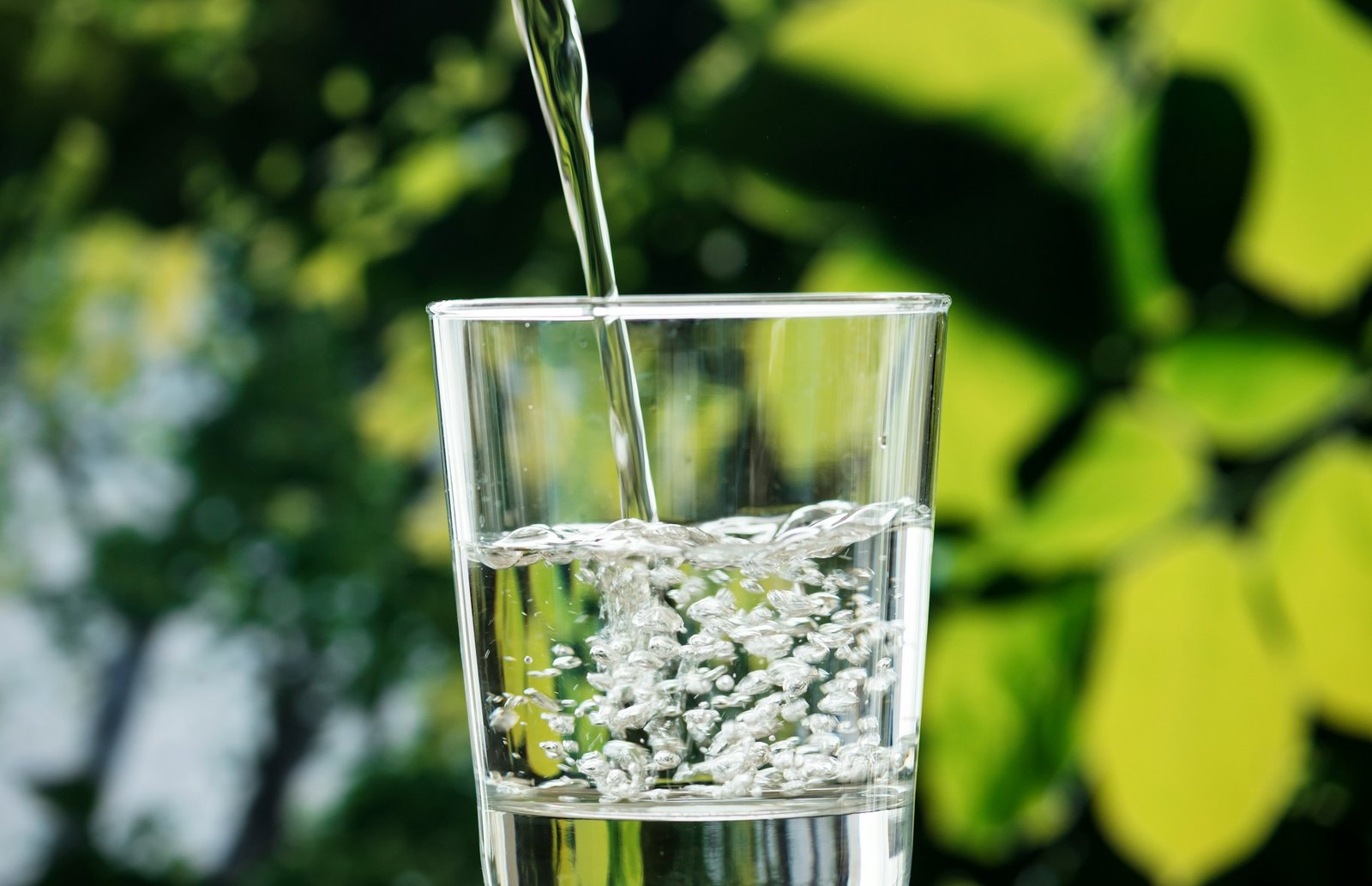
    EPA warns microplastics as ‘priority’ contaminant in drinking water

    healthadminBy healthadminApril 3, 2026No Comments5 Mins Read
    EPA warns microplastics as ‘priority’ contaminant in drinking water
    Share
    Facebook Twitter Reddit Telegram Pinterest Email


    Federal regulators are moving to add microplastics to the list of drinking water contaminants marked for research, funding and future regulation.

    The U.S. Environmental Protection Agency (EPA) and the U.S. Department of Health and Human Services (HHS) on April 2 announced a series of coordinated actions to protect public health from harms associated with microplastics, which have been found to accumulate in human tissues as they accumulate in the environment.

    “This is a direct response to the concerns of millions of Americans who have long sought answers about what they and their families are drinking every day,” EPA Administrator Lee Zeldin said at a press conference. “For too long, Americans have been sounding the alarm about plastic in drinking water and being ignored. That ends today.”

    EPA’s updated draft list of potential contaminants under the Safe Drinking Water Act has been open for public comment for 60 days, and EPA plans to finalize the list on November 17th.

    In a joint announcement, HHS announced a $144 million program to measure microplastic levels in humans, identify the most harmful plastic pollutants, and develop ways to remove them from the body.

    “Today, we reach a tipping point in confronting microplastics as a threat to human health,” HHS Secretary Robert F. Kennedy Jr. said at the event. “And we are working on it with urgency and discipline.”

    Kennedy said plastics are “incorporated into modern life and into the human body.” “Researchers detected microplastics in human blood, lung tissue, liver, kidneys and placenta. The study found microplastics in more than 80% of people tested.”

    Some human and environmental health advocates applaud efforts to bring microplastics under increased federal oversight.

    Judith Enck, president of the nonprofit organization Beyond Plastics and a former EPA regional administrator, said in a statement that the move is an “important first step” toward regulating harmful contaminants in drinking water. Enck said government agencies should “not only regulate microplastics in drinking water, but also act quickly to prevent microplastics from entering our water supplies.”

    Some argue that adding microplastics to the list, which is unregulated, falls short of the urgent action needed to protect the public.

    “While we appreciate investment in further research into how microplastics affect our bodies and health, we already know enough to act,” Jen Ferra, managing director of the Plastic Pollution Coalition, said in a statement. “We need strong regulatory solutions and innovation to reduce and eliminate these plastics now.”

    “We need strong regulatory solutions and innovation to reduce and eliminate these plastics now.” — Jen Ferra, Plastic Pollution Coalition

    Microplastics are pieces of plastic less than 5 millimeters long that form when larger chunks of plastic break apart. Humans ingest these plastic pieces and even smaller plastic pieces, nanoplastics, in food and drinking water, or inhale them from the air and household dust. Research shows that up to 83% of tap water around the world is contaminated with microplastics, and levels in bottled water could be even higher.

    Plastic particles have been found in many human organs, including the brain, testicles, lungs, and kidneys, as well as human blood, bone marrow, and breast milk, and a growing body of research is linking plastic particles to inflammation, tissue damage, and a variety of other health problems.

    New research published last week e-clinical medicineA magazine published by. lancettwo types of phthalates, chemicals commonly used in the manufacture of plastics, were found to be responsible for nearly 2 million premature births and tens of thousands of infant deaths worldwide in 2018.

    Previous research has linked one of the same phthalate esters, di(2-ethylhexyl) phthalate (DEHP). e-clinical medicine Research shows that more than 356,000 people die from heart disease each year worldwide.

    A report released last August said plastics were a “significant” hazard to humans and the planet, estimating that exposure to plastics leads to health-related costs of $1.5 trillion annually. Another report published in December concluded that global plastic pollution will more than double by 2040 unless policies change.

    In addition to microplastics, EPA is also proposing to add pharmaceuticals to the list of potential contaminants, along with per- and polyfluoroalkyl substances (PFAS), disinfection byproducts, and 75 other chemicals and nine microorganisms considered emerging threats to public drinking water.

    The move comes as the EPA works to rescind drinking water regulations for four PFAS chemicals and delay implementation of regulations for two others.

    Featured image: Curated Lifestyle/Unsplash+

    • Shannon Kelleher is a staff reporter at The New Lede. Shannon earned her master’s degree in science journalism from Boston University in 2015, and her research has appeared in The Guardian, Environmental Health News, Mongabay, The Atlantic, and more. She has been a guest on the radio show Living on Earth and is a member of the Environmental Journalists Association and the DC Science Writers Association. Prior to joining TNL in 2022, Shannon wrote news articles and press releases for the American Association for the Advancement of Science. She lives in Washington, DC.


    Source link

    Visited 1 times, 1 visit(s) today
    Share. Facebook Twitter Pinterest LinkedIn Telegram Reddit Email
    Previous ArticleWhen you engage in self-deception, your body undergoes subtle physiological changes.
    Next Article Job seekers hide their emotions and act more analytically when evaluated by artificial intelligence
    healthadmin

    Related Posts

    Faced with hotter weather and a dry Great Salt Lake, some families plan to leave Utah • Utah News-Dispatch

    April 6, 2026

    Fifty years of aviation records from Cape Grim reveal the true extent of humanity’s impact on the planet

    April 5, 2026

    People like to blame “ultra-processed foods.” It’s useless.

    April 5, 2026

    Microplastics could reduce aquaculture production by up to 18%, study finds

    April 5, 2026

    The Urgent Health Crisis: Climate Change, Pollution, and Human Impacts

    April 4, 2026

    Why reducing deaths from air pollution is not just about reducing air pollution | Air Pollution

    April 3, 2026
    Add A Comment
    Leave A Reply Cancel Reply

    Categories

    • Daily Health Tips
    • Discover
    • Environmental Health
    • Exercise & Fitness
    • Featured
    • Featured Videos
    • Financial Health & Stability
    • Fitness
    • Fitness Updates
    • Health
    • Health Technology
    • Healthy Aging
    • Healthy Living
    • Holistic Healing
    • Holistic Health & Wellness
    • Medical Research
    • Medical Research & Insights
    • Mental Health
    • Mental Wellness
    • Natural Remedies
    • New Workouts
    • Nutrition
    • Nutrition & Dietary Trends
    • Nutrition & Superfoods
    • Nutrition Science
    • Pharma
    • Preventive Healthcare
    • Professional & Personal Growth
    • Public Health
    • Public Health & Awareness
    • Selected
    • Sleep & Recovery
    • Top Programs
    • Weight Management
    • Workouts
    Popular Posts
    • the-pros-and-cons-of-paleo-dietsThe Pros and Cons of Paleo Diets: What Science Really Says April 16, 2025
    • Improve Mental Health10 Science-Backed Practices to Improve Mental Health… March 11, 2025
    • How Healthy Living Is Transforming Modern Wellness TrendsHow Healthy Living Is Transforming Modern Wellness… December 3, 2025
    • Kankakee_expansion.jpgCSL releases details of $1.5 billion U.S.… March 10, 2026
    • urlhttps3A2F2Fcalifornia-times-brightspot.s3.amazonaws.com2Fc32Fcd2F988500d440f2a55515940909.jpegA ‘reckless’ scrapyard with a history of… October 24, 2025
    • Healthy Living: Expert Tips to Improve Your Health in 2026Healthy Living: Expert Tips to Improve Your Health in 2026 November 16, 2025

    Demo
    Stay In Touch
    • Facebook
    • Twitter
    • Pinterest
    • Instagram
    • YouTube
    • Vimeo
    Don't Miss

    Genetic research reveals relationship between caffeine intake and sleep timing

    By healthadminApril 6, 2026

    Although drinking coffee or tea directly improves daytime alertness, it does not appear to inherently…

    Can psychological resilience prevent extreme social withdrawal?

    April 6, 2026

    New method identifies key proteins that drive harmful immune responses

    April 6, 2026

    Mayo Clinic researchers develop experimental nanotherapy to treat aggressive brain cancer

    April 6, 2026

    Subscribe to Updates

    Get the latest creative news from SmartMag about art & design.

    HealthxMagazine
    HealthxMagazine

    At HealthX Magazine, we are dedicated to empowering entrepreneurs, doctors, chiropractors, healthcare professionals, personal trainers, executives, thought leaders, and anyone striving for optimal health.

    Our Picks

    Mayo Clinic researchers develop experimental nanotherapy to treat aggressive brain cancer

    April 6, 2026

    Large-scale exposome study shows how multiple factors influence disease risk

    April 6, 2026

    Amgen’s systemic injectable version of Tepezza can be measured up to IV.

    April 6, 2026
    New Comments
      Facebook X (Twitter) Instagram Pinterest
      • Home
      • Privacy Policy
      • Our Mission
      © 2026 ThemeSphere. Designed by ThemeSphere.

      Type above and press Enter to search. Press Esc to cancel.