


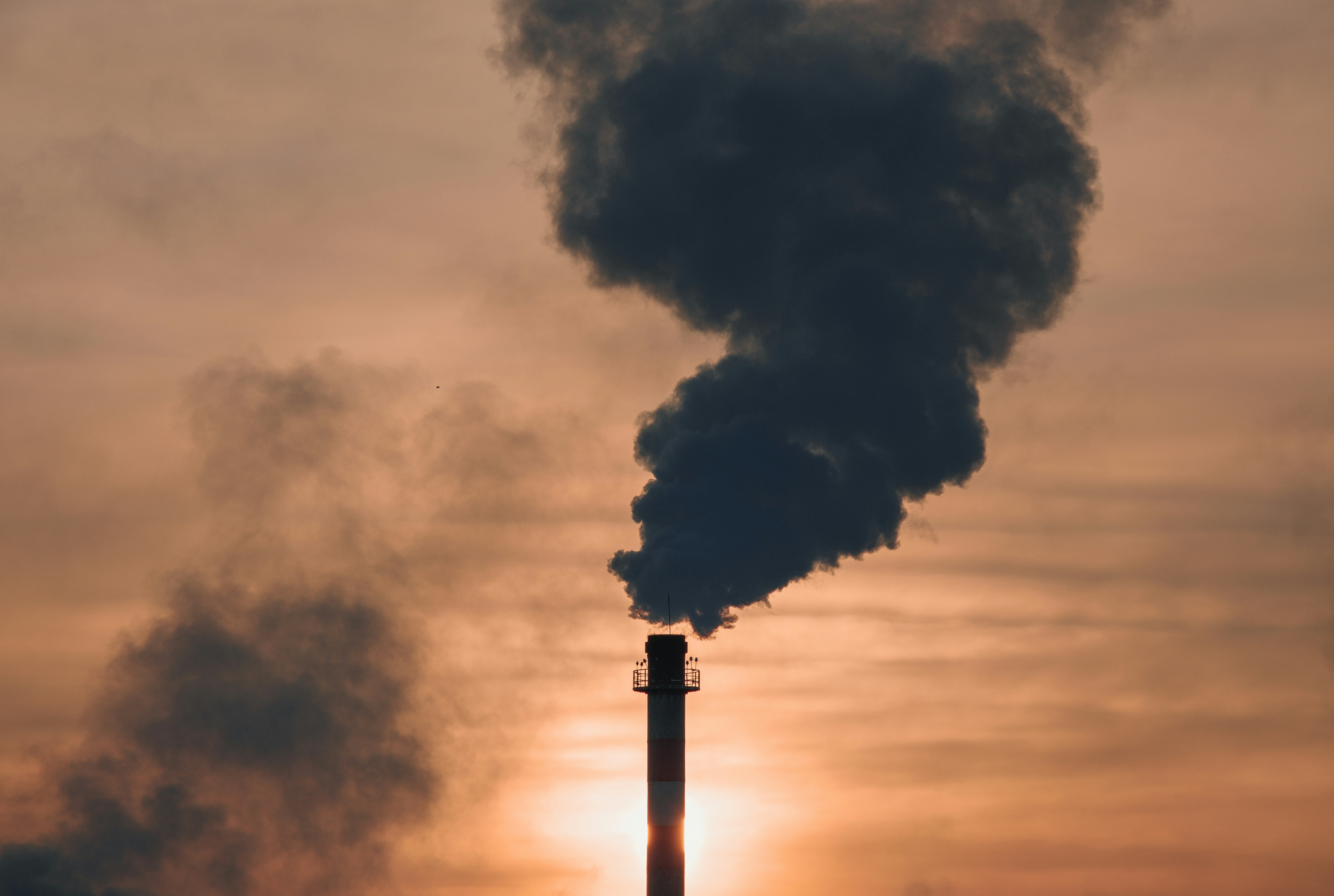
Environmental health climate change represents a profound threat, where fossil fuel dependence and rising emissions exacerbate human vulnerabilities through extreme weather and pollution. The 2025 Lancet Countdown report warns of worsening impacts across 13 of 20 indicators, with heat-related mortality up 23% since the 1990s to 546,000 deaths annually. Wildfires hit a grim record in 2024, causing 154,000 deaths from PM2.5 smoke pollution.
Vector-borne diseases thrive in warmer conditions; dengue transmission potential has increased 49% since the 1950s. Fossil fuel-derived outdoor air pollution alone led to 2.52 million deaths in 2022, compounding respiratory and cardiovascular risks. Household dirty fuels added 2.3 million more.
The WHO European Region, warming fastest globally, sees climate change fueling mental health crises, infectious outbreaks, and air quality deterioration, as outlined in their 2025 event. Heatwaves, floods, and wildfires have claimed 160,000 lives over 50 years, with economic losses nearing half a trillion dollars.
Vulnerable groups—elderly, children, low-income communities—bear the brunt, per CDC analyses. Urban scientists, planners, and public health advocates must integrate environmental health climate change data into strategies. Pollution mitigation strategies like clean energy shifts offer co-benefits: reduced emissions, healthier air, and economic gains. The Yale 2026 update notes global momentum despite policy backslides, urging localized action for resilience.
Key Health Impacts: Heatwaves, Air Pollution, Diseases, and Mental Health Strain
Heat-related mortality defines a core facet of environmental health climate change, with the 2025 Lancet Countdown reporting 546,000 annual deaths—a 23% increase since the 1990s. Extreme heat overwhelms physiological systems, triggering dehydration, heatstroke, and cardiovascular failures, especially among the elderly and urban dwellers in heat islands.
Air pollution health impacts compound these risks. Fossil fuel emissions caused 2.52 million outdoor deaths in 2022, while wildfire PM2.5 pollution reached a record 154,000 deaths in 2024. Fine particulates infiltrate lungs, exacerbating asthma, COPD, and heart disease, as detailed in CDC analyses.
Vector-borne diseases climate expansion thrives amid warming. Dengue transmission suitability rose 49% since 1950s, with mosquitoes proliferating in expanded ranges. Warmer temperatures accelerate pathogen replication, per EPA and JWU explainer, heightening outbreaks in temperate zones.
Water-borne illnesses surge from intensified storms and ocean warming, fostering Vibrio bacteria in coastal waters. Floods contaminate supplies, risking cholera and E. coli infections among vulnerable communities.
Mental health strain manifests as climate anxiety, depression, and PTSD following disasters. WHO’s 2025 event highlights exacerbated psychological burdens from heatwaves, pollution, and displacement.
These interconnected threats underscore environmental health climate change urgency, disproportionately affecting low-income, indigenous, and chronically ill populations. Public health adaptation demands integrated surveillance and equity-focused interventions to curb rising morbidity.
Sustainable Solutions: Urban Planning for Pollution Mitigation and Climate Resilience
Sustainable urban planning counters environmental health climate change by integrating pollution mitigation strategies and climate resilience urban areas. Green infrastructure—parks, urban forests, green roofs—cools cities, absorbs PM2.5, and boosts biodiversity, yielding green infrastructure health benefits like reduced respiratory issues (Clarity blog).
Walkable neighborhoods and robust public transit slash vehicle emissions, curbing air pollution health impacts and fossil fuel health risks. Copenhagen’s 100+ green roofs manage stormwater while cutting energy use; its bike infrastructure promotes active lifestyles, per WEF, lowering stress and obesity.
Singapore exemplifies smart mobility: data-driven traffic, EV stations, and electric buses reduce congestion and emissions (Jobaaj case study). Curitiba’s recycling-for-bus-tokens model advances waste reduction and equity.
Clean energy transitions—renewables, efficiency standards—deliver co-benefits: fewer 2.52 million fossil pollution deaths annually (Lancet 2025). Public health adaptation includes resilient infrastructure against floods, heat, per Springer review.
Health equity sustainability prioritizes vulnerable groups via mixed-income green housing, like Vancouver’s projects. KPMG’s 2026 insights advocate cross-sector planning for equitable resilience amid extremes.
UNU-EHS 2026 outlook stresses urban adaptation. These strategies transform cities, enhancing environmental health climate change outcomes through lower heat-related mortality, disease vectors, and mental strain while fostering livable, equitable spaces.
Sources
- https://lancetcountdown.org/2025-report/
- https://yaleclimateconnections.org/2026/01/where-things-stand-on-climate-change-in-2026/
- https://unu.edu/ehs/article/5-things-watch-climate-and-environment-2026
- https://www.jobaajlearnings.com/casestudies/How-Sustainable-Urban-Planning-Is-Transforming-Cities-in-2026-A-Case-Study
- https://kpmg.com/jp/en/insights/2026/01/health-equity-next-generation-cities.html
- https://www.clarity.io/blog/how-does-urban-planning-contribute-to-climate-change
- https://www.weforum.org/stories/2025/04/urban-planners-promoting-active-lifestyles/
- https://link.springer.com/article/10.1007/s13762-025-06679-9
- https://www.who.int/europe/news-room/events/item/2025/02/28/default-calendar/climate-change-and-health-shaping-a-resilient-future
- https://online.jwu.edu/blog/climate-change-and-public-health-how-the-two-are-related/
