

Close Menu

    Subscribe to Updates

    Get the latest creative news from FooBar about art, design and business.

    What's Hot

    Why the brain becomes unbalanced as we age

    March 25, 2026

    First atomic movie reveals hidden causes of radiation damage

    March 25, 2026

    Most Americans don’t know this food increases the risk of colon cancer

    March 25, 2026
    Facebook X (Twitter) Instagram
    Facebook X (Twitter) Instagram
    Health Magazine
    • Home
    • Environmental Health
    • Health Technology
    • Medical Research
    • Mental Health
    • Nutrition Science
    • Pharma
    • Public Health
    • Discover
      • Daily Health Tips
      • Financial Health & Stability
      • Holistic Health & Wellness
      • Mental Health
      • Nutrition & Dietary Trends
      • Professional & Personal Growth
    • Our Mission
    Health Magazine
    Home » News » Brain volume in bipolar disorder increases during depression and shrinks during remission
    Mental Health

    Brain volume in bipolar disorder increases during depression and shrinks during remission

    healthadminBy healthadminMarch 24, 2026No Comments4 Mins Read
    Brain volume in bipolar disorder increases during depression and shrinks during remission
    Share
    Facebook Twitter Reddit Telegram Pinterest Email


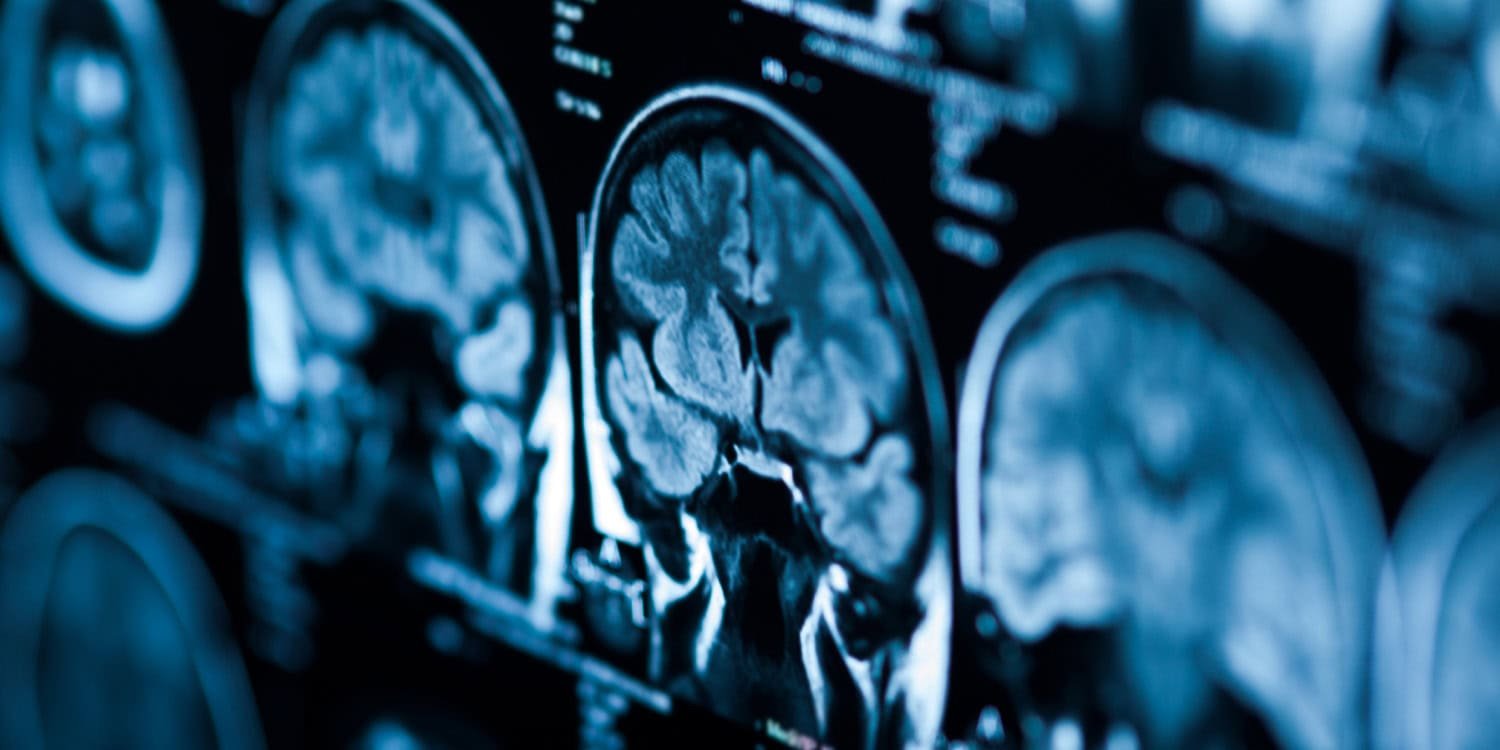
    A longitudinal neuroimaging study comparing patients with bipolar disorder and healthy controls found that bipolar patients with more frequent depressive episodes tended to have increased gray matter volume in the right lateral cerebellum. The paper was published in a magazine neuropsychopharmacology.

    Bipolar disorder is a mental health condition characterized by extreme changes in mood, energy, and activity levels. People with bipolar disorder experience manic or hypomanic episodes with elevated mood or irritability, increased energy, and decreased need for sleep. These episodes alternate with depressive episodes characterized by sadness, loss of interest, fatigue, and feelings of hopelessness.

    Research suggests that differences in brain structure, neurotransmitter systems, and emotion regulation networks may play a role in the development of bipolar disorder. The disorder usually begins in late adolescence or early adulthood, but can appear early or late in life.

    Study author Florian Thomas-Odenthal and colleagues wanted to examine changes in gray matter volume in the brains of bipolar patients with and without recurrent depressive or manic episodes during a two-year follow-up and compare them to healthy participants.

    The authors hypothesized that patients with bipolar disorder who experienced a new depressive or manic episode during the follow-up period would show decreased gray matter volume associated with manic episodes and increased gray matter volume associated with depressive episodes. Gray matter is a part of the central nervous system that primarily consists of nerve cell bodies, dendrites, and synapses.

    Study participants were 124 individuals participating in the ongoing Marburg-Münster Affective Disorders Cohort Study (MACS), which studies the neurobiology of major psychiatric disorders. Sixty-two of the participants had bipolar disorder, while the remaining 62 were healthy and were included as control participants.

    All participants completed magnetic resonance imaging at two time points approximately 2 years apart (mean 2.18 years). Separately, study participants completed semi-structured clinical interviews at these two time points, reporting on their disease course, whether they were currently experiencing symptoms of the disorder (remission status), and current drug use.

    They also completed assessments of psychopathology, global psychosocial functioning, and familial risk. Their BMI was calculated. The study authors also divided participants with bipolar disorder into those who experienced new episodes of mania or depression during the follow-up period and those who did not.

    The results showed that bipolar disorder patients who did not experience new manic or depressive episodes during the follow-up period tended to show a significant decrease in gray matter volume in the right lateral cerebellum. Bipolar disorder patients who experienced a depressive or manic episode during follow-up showed a non-significant increase in gray matter volume. Gray matter volume in this region did not change in healthy participants.

    More nonmanic depressive episodes during follow-up were moderately associated with increased gray matter volume in the aforementioned brain regions. In patients with bipolar disorder who did not experience new manic or depressive episodes during follow-up, longer duration of manic episodes before baseline assessment was associated with decreased right lateral cerebellar gray matter volume during follow-up.

    “Our findings highlight the dynamic nature of brain changes in BD (bipolar disorder). Increased GMV (gray matter volume) in BD patients with relapses may be due to acute neuroinflammatory mechanisms, including glial cell proliferation, whereas decreased GMV in BD patients without relapses may result from aberrant synaptic miniaturization or pruning as a result of past neuroinflammation during BD episodes,” the study authors concluded.

    This study sheds light on structural changes in the brain associated with bipolar disorder. However, note that the study design does not allow definitive causal inferences to be drawn from the results.

    The paper, “Differential effects of manic and depressive episode recurrence on longitudinal gray matter volume changes in bipolar disorder,” was authored by Florian Thomas-Odenthal, Lea Teutenberg, Frederike Stein, Nina Alexander, Linda M. Bonnekoh, Katharina Brosch, Kira Flinkenflugel, Janik Goltermann, Dominik Grotegerd, Tim Hahn, Andreas Jansen, and Elisabeth. J. Lehr, Susanne Meinert, Julia Katharina Pfahr, Harald Lenz, Kai Ringwald, Navid Schulmeier, Thomas Stief, Benjamin Straube, Katharina Thiel, Paula Useman, Axel Krück, Igor Nenadić, Udo Danrowski, Thilo Kircher.


    Source link

    Visited 1 times, 1 visit(s) today
    Share. Facebook Twitter Pinterest LinkedIn Telegram Reddit Email
    Previous ArticleDepending on how parents imagine God, viewing the parent-child relationship as sacred may increase happiness.
    Next Article Whole grain rye changes gut bacteria and reduces inflammation in obesity study
    healthadmin

    Related Posts

    Research refutes the idea that consent is widely misunderstood in relationships

    March 25, 2026

    Depending on how parents imagine God, viewing the parent-child relationship as sacred may increase happiness.

    March 24, 2026

    AI can generate images that are as effective in evoking human emotions as traditional photography

    March 24, 2026

    Playing Call of Duty before bed won’t ruin your sleep and may even improve your memory

    March 24, 2026

    What brain waves reveal about people who can solve a Rubik’s Cube in seconds

    March 24, 2026

    Menstrual hormones may worsen ADHD symptoms in women taking medication

    March 24, 2026
    Add A Comment
    Leave A Reply Cancel Reply

    Categories

    • Daily Health Tips
    • Discover
    • Environmental Health
    • Exercise & Fitness
    • Featured
    • Featured Videos
    • Financial Health & Stability
    • Fitness
    • Fitness Updates
    • Health
    • Health Technology
    • Healthy Aging
    • Healthy Living
    • Holistic Healing
    • Holistic Health & Wellness
    • Medical Research
    • Medical Research & Insights
    • Mental Health
    • Mental Wellness
    • Natural Remedies
    • New Workouts
    • Nutrition
    • Nutrition & Dietary Trends
    • Nutrition & Superfoods
    • Nutrition Science
    • Pharma
    • Preventive Healthcare
    • Professional & Personal Growth
    • Public Health
    • Public Health & Awareness
    • Selected
    • Sleep & Recovery
    • Top Programs
    • Weight Management
    • Workouts
    Popular Posts
    • the-pros-and-cons-of-paleo-dietsThe Pros and Cons of Paleo Diets: What Science Really Says April 16, 2025
    • Improve Mental Health10 Science-Backed Practices to Improve Mental Health… March 11, 2025
    • How Healthy Living Is Transforming Modern Wellness TrendsHow Healthy Living Is Transforming Modern Wellness… December 3, 2025
    • daily vitamin D needsWhy Sunlight Is Crucial for Your Daily Vitamin D Needs June 12, 2025
    • Healthy Living: Expert Tips to Improve Your Health in 2026Healthy Living: Expert Tips to Improve Your Health in 2026 November 16, 2025
    • "The Best Daily Health Apps to Track Your Wellness Goals"The Best Daily Health Apps to Track Your Wellness… August 15, 2025

    Demo
    Stay In Touch
    • Facebook
    • Twitter
    • Pinterest
    • Instagram
    • YouTube
    • Vimeo
    Don't Miss

    Why the brain becomes unbalanced as we age

    By healthadminMarch 25, 2026

    Lena Ting and her team at Emory University set out to understand how aging and…

    First atomic movie reveals hidden causes of radiation damage

    March 25, 2026

    Most Americans don’t know this food increases the risk of colon cancer

    March 25, 2026

    Fathers face increased risk of depression in the first year after giving birth

    March 25, 2026

    Subscribe to Updates

    Get the latest creative news from SmartMag about art & design.

    HealthxMagazine
    HealthxMagazine

    At HealthX Magazine, we are dedicated to empowering entrepreneurs, doctors, chiropractors, healthcare professionals, personal trainers, executives, thought leaders, and anyone striving for optimal health.

    Our Picks

    Fathers face increased risk of depression in the first year after giving birth

    March 25, 2026

    Systematic review identifies stress-induced biological triggers in oncology

    March 25, 2026

    This tiny implant smaller than a grain of salt can read your brain

    March 25, 2026
    New Comments
      Facebook X (Twitter) Instagram Pinterest
      • Home
      • Privacy Policy
      • Our Mission
      © 2026 ThemeSphere. Designed by ThemeSphere.

      Type above and press Enter to search. Press Esc to cancel.