


Recent research published in journals drug and alcohol addiction Our findings suggest that sleep deprivation in people with alcohol use disorders is closely associated with heightened negative emotions and specific changes in brain activity. The results of this study indicate that treating sleep disorders may be a practical way to help improve mood and emotional regulation in people recovering from alcoholism.
Addiction is often viewed as a three-stage cycle consisting of binge drinking, experiencing negative emotions during withdrawal, and obsession or craving for the substance. Previous research has shown that sleep problems can alter mood and reward processing in the general population.
“Sleep problems in alcohol use disorders are very common. Previous studies have found a link between sleep disturbances and deficits in processes related to reward, negative emotional processing, and executive function that impact addictive disorders like alcohol use disorders,” said study author Erika Grodin, adjunct assistant professor at UCLA and member of the UCLA Institute on Addiction.
“However, these relationships in people with alcohol use disorders have not previously been systematically investigated, and the underlying neurobiology responsible for these processes has not yet been investigated. Therefore, our study aimed to examine the relationships between sleep disturbances and alcohol-related reward processing, negative emotional processing, and executive function in people with alcohol use disorders, and what the underlying neurobiology is.”
The researchers conducted two independent studies. For the first study, researchers recruited 115 adults who met clinical criteria for alcohol use disorder. Participants completed a widely used questionnaire called the Pittsburgh Sleep Quality Index, which assesses their sleep habits over the past month. Based on their scores, 42 participants were classified as good sleepers and 73 as poor sleepers.
The scientists then asked participants to complete a series of surveys designed to measure three specific addiction categories. These categories include craving and motivation, negative emotions, and executive function. Executive function refers to the mental skills needed to control impulses, focus attention, and make intentional decisions.
During the analysis, the scientists took into account other factors that could influence the results. They controlled for variables such as age, biological sex, race, and severity of participants’ alcohol use. This confirmed that the differences in negative emotions were actually related to sleep, rather than participants’ drinking or demographic background.
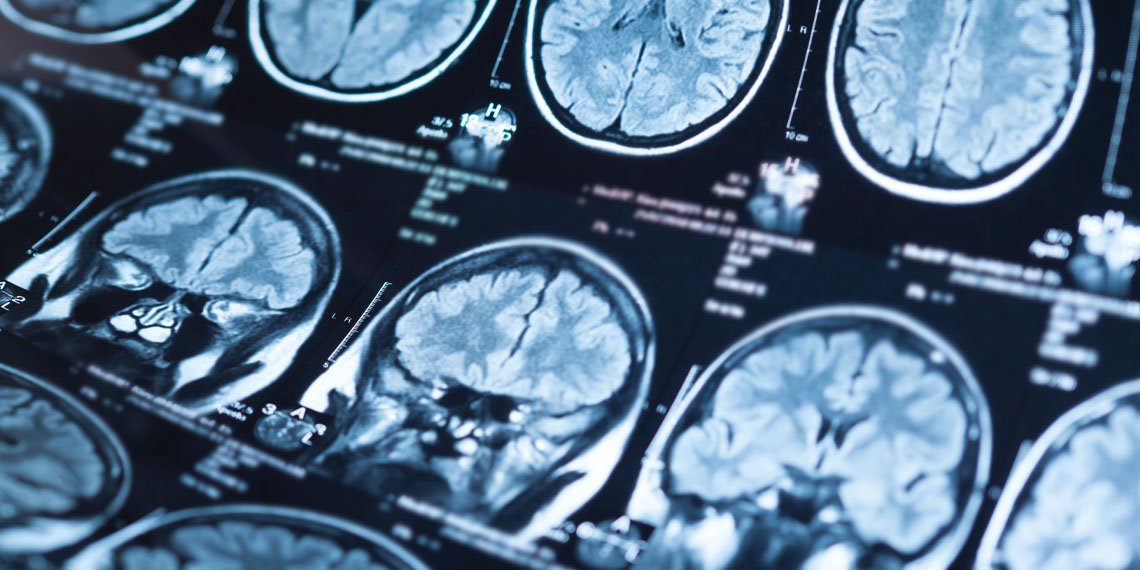
A subset of 52 participants in the original study also underwent functional magnetic resonance imaging. This is a type of brain scan that measures blood flow to see which areas of the brain are active in real time. While inside the scanner, participants tested their craving response by viewing pictures of alcoholic beverages, such as beer and wine, and non-alcoholic beverages, such as water and coffee.
They were also shown a combination of neutral images, such as everyday objects, and negative images, such as car crashes and severed faces. Following each block of images, participants used a button box to rate their current stress level or desire for alcohol. This allowed the researchers to see how the brain processes both challenging and stressful situations.
Researchers found that poor sleepers experienced significantly more negative emotions such as stress, anxiety, and depression than good sleepers. Sleep deprivation did not appear to affect participants’ alcohol craving levels or executive function skills. This suggests that sleep problems are specifically related to the psychological distress aspect of addiction, rather than the impulsivity or craving aspects.
Brain scans provided evidence supporting these psychological findings. When viewing negative images, poor sleepers showed much higher activity in the medial prefrontal cortex and posterior cingulate cortex than good sleepers. These specific brain regions belong to networks in the brain that become highly active when people ruminate.
Rumination means repeatedly thinking about negative emotions or thinking about personal problems. Brain scans show that people with alcohol use disorders who also struggle with sleep may be biologically hardwired to engage in excessive negative thinking when faced with stressful stimuli. No differences were found between the groups when viewing alcohol-related images.
The scientists then conducted a second independent study to test their initial findings using a different measure of sleep. This second group included 102 different adults with alcohol use disorders. Researchers used the Insomnia Severity Index, a survey that assesses the severity of insomnia symptoms, such as difficulty falling asleep or staying asleep, over the past two weeks.
Based on their responses, 47 had no insomnia, 38 had subclinical or mild insomnia, and 17 had clinical insomnia. Similar to the first study, the researchers found that poor sleep quality was directly related to increased levels of negative emotions. Participants with clinical and mild insomnia reported significantly more negative emotions than participants without sleep problems.
The researchers ensured these results were as accurate as possible by controlling for the number of alcohol use disorder symptoms each person had. Even after accounting for addiction severity, those with insomnia symptoms still had elevated negative affective profiles. Again, sleep problems did not predict changes in participants’ desire to drink or motivation.
Finding exactly the same pattern in a completely different group of people provides strong evidence that the association between sleep and negative emotions is a consistent feature of alcohol use disorder. This shows that the relationship holds even when different questionnaires are used.
“Our main finding was that negative emotional processing in people with alcohol use disorder is uniquely affected by sleep disturbances,” Grodin told Cypost. “This means that people with alcohol use disorders and sleep disorders have more difficulty processing and responding to negative emotions than people with alcohol use disorders without sleep disorders. Also, in people with alcohol use disorders and sleep disorders, areas of the brain involved in rumination and thinking about oneself are more difficult to deal with than people with alcohol use disorders without sleep disorders. We also found that sleep disorders were overly involved in the processing of negative emotions. Overall, this suggests that sleep disturbances may be a promising therapeutic target for improving the processing of negative emotions, which is a common trigger for drinking in this group of people.
Although these findings provide new insights, the researchers noted several limitations to their study. The study was observational and examined data from a single time point. This means that scientists cannot say for sure whether sleep deprivation causes negative emotions or whether experiencing negative emotions leads to sleep deprivation. The relationship between sleep, mood, and alcohol consumption is likely a complex bidirectional one.
Additionally, participants in both studies had not been formally diagnosed with a sleep disorder by a medical professional. Instead, they self-reported their sleep habits using a standardized survey. The researchers suggest that future studies should include people with medically confirmed sleep disorders to see if the brain patterns remain the same. Ultimately, scientists hope to test whether treatments that target sleep can actively reduce negative emotions in people recovering from alcoholism.
The study, “Sleep disturbances are associated with greater subjective and neurological negative affect in people with alcohol use disorders,” was authored by Erica N. Grodin, Dylan E. Kirsch, Wave Ananda Baskerville, and Lara A. Ray.
