

Close Menu

    Subscribe to Updates

    Get the latest creative news from FooBar about art, design and business.

    What's Hot

    Scientists discover brain protein that causes cocaine relapse

    March 6, 2026

    How protecting nature makes the world safer

    March 6, 2026

    Study finds cannabis compounds CBD and CBG may help reverse fatty liver disease

    March 6, 2026
    Facebook X (Twitter) Instagram
    Facebook X (Twitter) Instagram
    Health Magazine
    • Home
    • Environmental Health
    • Health Technology
    • Medical Research
    • Mental Health
    • Nutrition Science
    • Pharma
    • Public Health
    • Discover
      • Daily Health Tips
      • Financial Health & Stability
      • Holistic Health & Wellness
      • Mental Health
      • Nutrition & Dietary Trends
      • Professional & Personal Growth
    • Our Mission
    Health Magazine
    Home » News » BCAT2 enzyme identified as target for diabetic foot recovery
    Discover

    BCAT2 enzyme identified as target for diabetic foot recovery

    healthadminBy healthadminMarch 6, 2026No Comments3 Mins Read
    Share
    Facebook Twitter Reddit Telegram Pinterest Email


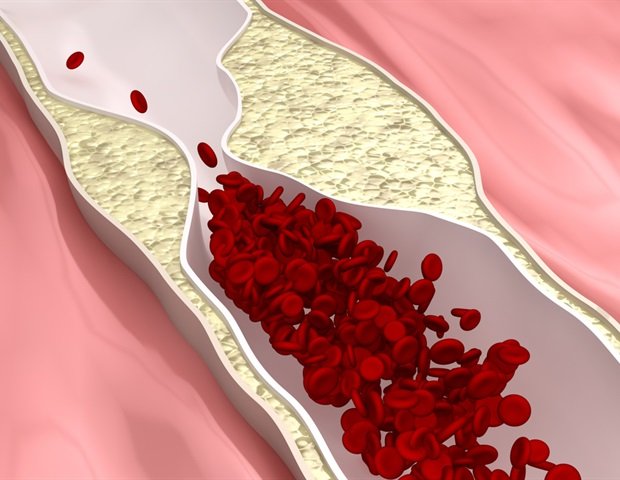
    Diabetic macrovascular complications are the main cause of death and disability in diabetic patients, and vascular calcification is one of its important pathological mechanisms. Calcification of atherosclerotic plaques can cause vessel wall stiffness and decreased compliance, which can induce atherosclerotic plaque rupture, thereby increasing the risk of acute cardiovascular events.

    Compared with non-diabetic patients, diabetic patients have atherosclerotic plaques in their coronary arteries, with larger necrotic cores and extensive calcification. Vascular calcification is an active process that involves osteoblast differentiation and vascular smooth muscle cell (VSMC) mineralization. However, the molecular mechanisms underlying vascular calcification in diabetic atherosclerotic plaques are not completely understood, and no effective interventions have been identified.

    Research progress

    To identify intervention targets for vascular calcification in diabetic atherosclerotic plaques, Professor Zhongqun Wang’s team from the Department of Cardiology, Jiangsu University Hospital conducted spatial metabolomics and single-cell transcriptomics analyzes on the anterior tibial artery of diabetic amputees.

    Results showed that the calcified anterior tibial artery of diabetic foot patients undergoing amputations had enhanced branched-chain amino acid (BCAA) catabolism and increased expression of BCAT2 (a key metabolic enzyme in the BCAA catabolic pathway) in VSMCs.

    To investigate the biological role and mechanism of BCAT2 in intraplaque calcification in diabetes, researchers generated apolipoprotein E (ApoE) and VSMC-specific BCAT2 double knockout mice (ApoE⁻/⁻/BCAT2ΔSMC). These mice were then analyzed in a diabetic atherosclerosis calcification model. Experimental results demonstrated that VSMC-specific BCAT2 knockout mice exhibited significantly reduced severity of vascular calcification, decreased calcium salt deposition, and suppressed osteogenic phenotypic transition of vascular smooth muscle cells.

    RNA sequencing revealed that Runx2 expression was significantly downregulated in vascular smooth muscle cells (VSMCs) after BCAT2 knockout. Further analysis of chromatin immunoprecipitation sequencing (ChIP-seq) and chromatin immunoprecipitation quantitative polymerase chain reaction (ChIP-qPCR) data demonstrated that the level of histone H3 lysine 23 propionylation (H3K23pr) in the promoter region of RUNX2 was significantly reduced after BCAT2 knockout, whereas it was upregulated by BCKA supplementation. Furthermore, silencing RUNX2 virtually abolished the regulatory effect of the BCAT2-BCKA axis on osteogenic differentiation of VSMCs.

    Taken together, this study reveals for the first time the regulatory role of BCAT2-mediated branched-chain amino acid (BCAA) catabolism in vascular smooth muscle cells (VSMCs) in the progression of intraplaque calcification in diabetic atherosclerosis. Furthermore, we uncover a mechanism by which the BCAT2-BCKA-histone propionylation axis regulates osteogenic transdifferentiation of VSMCs and the progression of intraplaque calcification in diabetes. Furthermore, this study provides important experimental evidence for the precise prevention and treatment of intraplaque calcification in diabetes based on targeted inhibition of BCAT2 (Figure 1).

    Future outlook

    This study is the first to identify branched-chain amino acid (BCAA) catabolic remodeling in diabetic calcified blood vessels. Furthermore, the role and regulatory mechanism of BCAT2-mediated BCAA catabolism in vascular smooth muscle cells (VSMCs) in the progression of intraplaque calcification in diabetic atherosclerosis will be elucidated. In the future, targeted inhibition of BCAT2 is expected to provide a theoretical basis for the precise treatment of intraplaque calcification in diabetes.

    sauce:

    Science and Technology Review Publishing

    Reference magazines:

    Chan, L. Others. (2026). Vascular smooth muscle cell-specific BCAT2 deficiency attenuates diabetic atherosclerotic calcification via histone propionylation. the study. DOI: 10.34133/research.1052. https://spj.science.org/doi/10.34133/research.1052.


    Source link

    Visited 1 times, 1 visit(s) today
    Share. Facebook Twitter Pinterest LinkedIn Telegram Reddit Email
    Previous ArticleStudy tracks leucovorin spike after White House promotion
    Next Article How the brain’s ‘parent machine’ promotes social support in mice
    healthadmin

    Related Posts

    New compound shows potential to protect against liver damage after small intestine surgery

    March 6, 2026

    Allergy symptoms can worsen when adults are exposed to a variety of microorganisms

    March 6, 2026

    New report shows primary care is ready for digital cognitive assessment tools

    March 6, 2026

    Scientists discover how herpes simplex virus softens cells and grows faster

    March 6, 2026

    MSK reveals how interacting mutations protect against breast cancer

    March 6, 2026

    How the brain’s ‘parent machine’ promotes social support in mice

    March 6, 2026
    Add A Comment
    Leave A Reply Cancel Reply

    Categories

    • Daily Health Tips
    • Discover
    • Environmental Health
    • Exercise & Fitness
    • Featured
    • Featured Videos
    • Financial Health & Stability
    • Fitness
    • Fitness Updates
    • Health
    • Health Technology
    • Healthy Aging
    • Healthy Living
    • Holistic Healing
    • Holistic Health & Wellness
    • Medical Research & Insights
    • Mental Health
    • Mental Wellness
    • Natural Remedies
    • New Workouts
    • Nutrition
    • Nutrition & Dietary Trends
    • Nutrition & Superfoods
    • Nutrition Science
    • Pharma
    • Preventive Healthcare
    • Professional & Personal Growth
    • Public Health
    • Public Health & Awareness
    • Selected
    • Sleep & Recovery
    • Top Programs
    • Weight Management
    • Workouts
    Popular Posts
    • the-pros-and-cons-of-paleo-dietsThe Pros and Cons of Paleo Diets: What Science Really Says April 16, 2025
    • Improve Mental Health10 Science-Backed Practices to Improve Mental Health… March 11, 2025
    • How Healthy Living Is Transforming Modern Wellness TrendsHow Healthy Living Is Transforming Modern Wellness… December 3, 2025
    • daily vitamin D needsWhy Sunlight Is Crucial for Your Daily Vitamin D Needs June 12, 2025
    • Healthy Living: Expert Tips to Improve Your Health in 2026Healthy Living: Expert Tips to Improve Your Health in 2026 November 16, 2025
    • The Science Behind Keto Diets: Is It Right for You?The Science Behind Keto Diets: Is It Right for You? April 11, 2025

    Demo
    Stay In Touch
    • Facebook
    • Twitter
    • Pinterest
    • Instagram
    • YouTube
    • Vimeo
    Don't Miss

    Scientists discover brain protein that causes cocaine relapse

    By healthadminMarch 6, 2026

    Relapse to cocaine use is not simply a matter of weak willpower. New research shows…

    How protecting nature makes the world safer

    March 6, 2026

    Study finds cannabis compounds CBD and CBG may help reverse fatty liver disease

    March 6, 2026

    Democrats ask 11 drug companies for “evidence” that price agreements with President Trump will save Medicaid money.

    March 6, 2026

    Subscribe to Updates

    Get the latest creative news from SmartMag about art & design.

    HealthxMagazine
    HealthxMagazine

    At HealthX Magazine, we are dedicated to empowering entrepreneurs, doctors, chiropractors, healthcare professionals, personal trainers, executives, thought leaders, and anyone striving for optimal health.

    Our Picks

    Democrats ask 11 drug companies for “evidence” that price agreements with President Trump will save Medicaid money.

    March 6, 2026

    Dating and breakups cause great psychological damage to adolescents’ mental health

    March 6, 2026

    New compound shows potential to protect against liver damage after small intestine surgery

    March 6, 2026
    New Comments
      Facebook X (Twitter) Instagram Pinterest
      • Home
      • Privacy Policy
      • Our Mission
      © 2026 ThemeSphere. Designed by ThemeSphere.

      Type above and press Enter to search. Press Esc to cancel.