


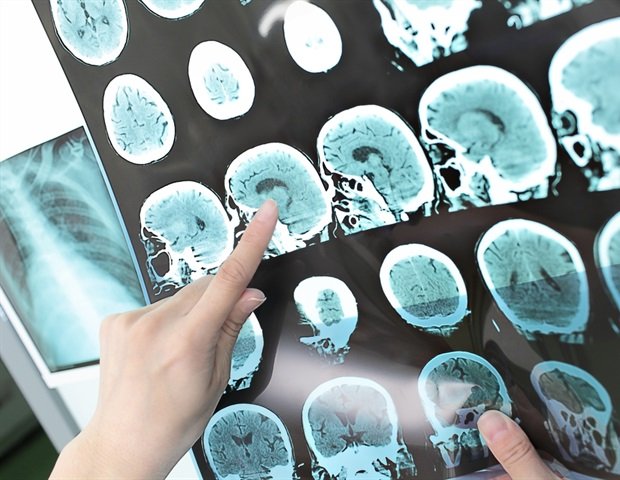
A clinical decision support tool that uses artificial intelligence (AI) to analyze post-stroke scans and provide treatment recommendations is associated with better quality of care and long-term outcomes for patients compared to usual care, a study published in China has found. BMJ today.
The researchers say the tool “offers a more efficient and scalable method to improve stroke treatment and prognosis, with the added benefits of lower costs and increased sustainability.”
AI in healthcare has received widespread attention, especially in disease diagnosis, treatment, prognostic support, and enhancing clinical decision-making. However, most AI stroke tools have not been rigorously evaluated, so their use is currently limited.
To address this gap, researchers set out to test whether a stroke clinical decision support system (CDSS), which uses AI-assisted image analysis to classify causes of stroke and make evidence-based treatment recommendations, could improve quality of care and outcomes in daily clinical practice.
The study results were based on 21,603 acute ischemic stroke patients (mean age 67 years, 36% women) who were admitted to one of 77 hospitals across China within seven days of symptom onset.
From January 2021 to June 2023, 11,054 patients received stroke CDSS support in 38 hospitals (intervention group) and 10,549 patients received usual care in 39 hospitals (control group).
Physicians assigned to patients in the intervention group received system training, and factors such as hospital region and grade, patient age, medication history, and lifestyle were taken into account.
Patients supported by CDSS had fewer new vascular events (including strokes, heart attacks, or related deaths) at 3, 6, and 12 months.
At 3 months, new vascular events occurred in 2.9% (320 of 11,054) in the intervention group compared to 3.9% (416 of 10,549) in the control group, a 26% reduction.
This reduction was maintained after 12 months, with the incidence of new vascular events being 4% (440 of 11,054) in the intervention group compared to 5.5% (576 of 10,549) in the control group, a 27% reduction.
Patients who received the intervention also had higher stroke care quality performance measures than control patients (91.4% vs. 89.8%).
There were no significant differences between the two groups in disability and all-cause mortality at 3, 6, and 12 months. Similarly, there were no significant differences in moderate or severe bleeding, or any bleeding, between groups at any of these time points.
The authors note that the trial randomized hospitals rather than individual patients, and that differences in care patterns and subsequent outpatient treatment may have influenced the results.
However, they note that because the system is easy to use and integrated into all hospital information systems, it has the potential to serve as a comprehensive AI-based management tool focused on in-hospital management and secondary prevention strategies.
The researchers therefore concluded that “stroke CDSS offers a promising approach to provide quality care to hospitalized acute ischemic stroke patients, especially in resource-constrained regions with severe cerebrovascular disease, such as China.”
sauce:
Reference magazines:
Zhang X. others. (2026). Effect of a clinical decision support system on stroke care quality and outcomes in patients with acute ischemic stroke (GOLDEN BRIDGE II): A cluster randomized clinical trial. B.M.J. DOI: 10.1136/bmj-2025-085810. https://www.bmj.com/content/392/bmj-2025-085810
