


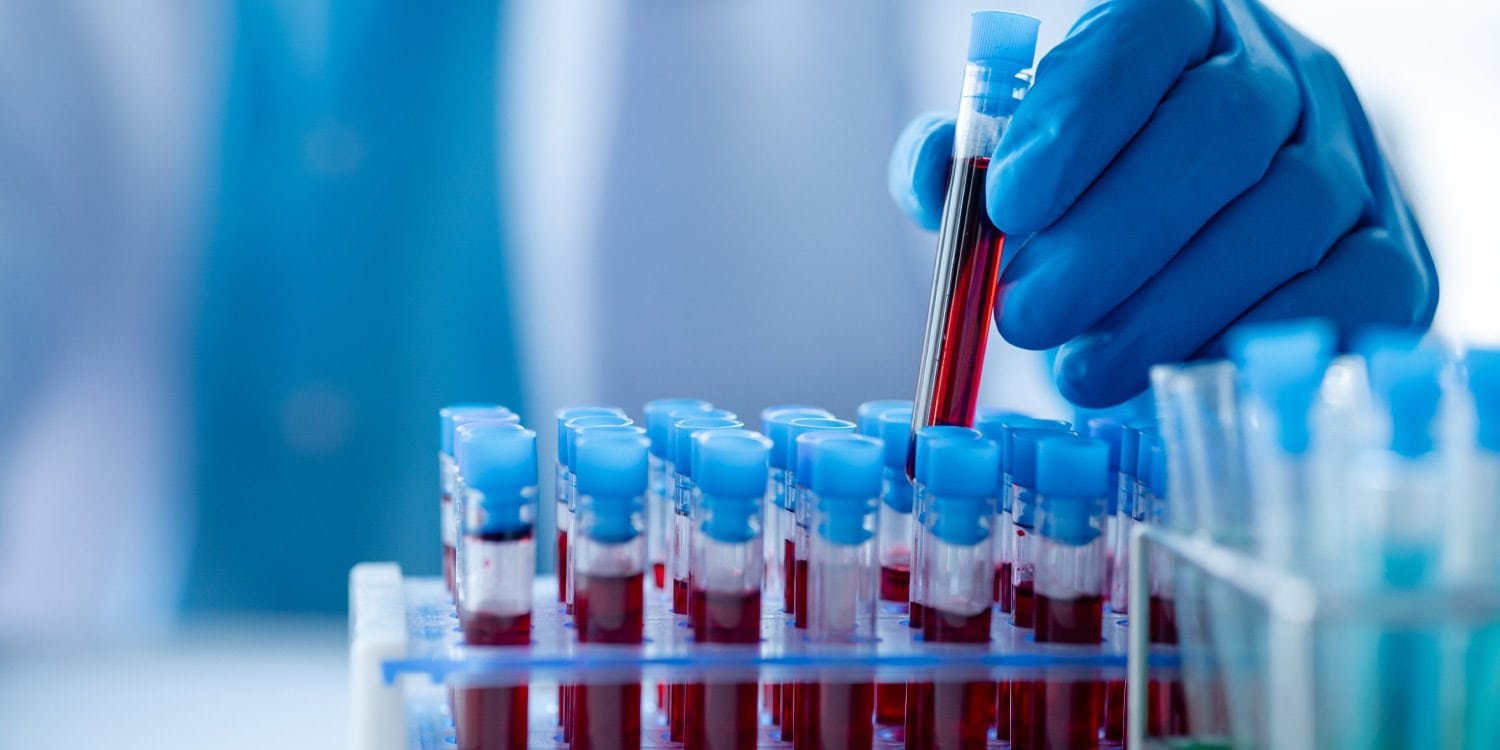
Recent research published in natural aging demonstrate that a simple blood test can accurately detect Alzheimer’s disease and other forms of dementia in a highly diverse population in Latin America. By combining these blood markers with standard memory tests and brain scans, clinicians can dramatically improve their ability to diagnose memory loss conditions in historically underdiagnosed areas.
Dementia is an umbrella term for a variety of conditions that cause a progressive loss of thinking and memory skills. Alzheimer’s disease is the most common cause of dementia in older adults. Frontotemporal lobar degeneration is another distinct type of dementia that primarily affects the front and sides of the brain, often leading to changes in personality and language.
Diagnosing these conditions has traditionally required expensive brain scans or invasive spinal taps. These traditional methods are often not available at all in low-income areas. Medical professionals in these fields often must rely solely on observing patient behavior and administering basic memory quizzes.
Recently, researchers have developed a blood test that looks for specific proteins associated with these brain diseases. These proteins act as biological markers, indicating what is happening deep within the brain tissue. The main proteins measured are amyloid and tau, which tend to misfold and aggregate in the brains of Alzheimer’s patients.
In a healthy brain, a protein called amyloid beta normally floats around and is cleared without problems. In Alzheimer’s disease, certain versions of this protein begin to bind together and form hard plaques. Researchers often measure the ratio of two different versions of this protein because a low ratio in the blood usually indicates a buildup of sticky plaque in the brain.
Tau protein also plays a major role in brain health by acting as a structural support system for nerve cells. When the brain is sick, the tau protein can acquire extra chemical tags in a process called phosphorylation. The researchers specifically looked at two tagged versions of this protein to track disease progression.
Another important marker is neurofilament light chain, a structural protein found inside nerve fibers. When nerve cells are damaged or die, this protein leaks from the brain into the bloodstream. Doctors can measure the concentration of this protein to assess the overall level of active brain damage.
Medical professionals have already begun using these blood tests in the United States and Europe. However, their performance in other parts of the world remained largely untested. The peoples of Latin America have vast genetic, social, and environmental diversity.
This vast diversity can easily influence how the disease develops and how it appears on biological tests. The team, led by first authors Ariel Cavides and Felipe Cabral Miranda, wanted to know whether these tests would work as well in understudied populations. Cavides is a researcher at the Latin American Brain Health Institute in Chile, and Cabral Miranda is based at the Federal University of Rio de Janeiro in Brazil.
Researchers recruited 605 volunteers from memory clinics in Argentina, Brazil, Chile, Colombia, Mexico, and Peru. This group included people diagnosed with Alzheimer’s disease, patients with frontotemporal lobar degeneration, and healthy older adults. The research team took blood samples from all participants and measured the levels of targeted brain proteins.
Alongside the blood tests, the researchers conducted a series of standard memory and thinking assessments. Some participants also underwent magnetic resonance imaging. This brain scanning technology allows doctors to see the physical structure of the brain and measure tissue shrinkage in specific areas.
Scientists also conducted genetic testing on some of the participants to determine their global ancestry. The majority of participants were of primarily Amerindian genetic background. The research team also looked for specific mutations in the apolipoprotein E gene, which is known to be a genetic risk factor for memory disorders.
To make sense of the vast amounts of data, the research team used a technique called machine learning. Machine learning involves training computer programs to recognize complex patterns in large datasets. The program learns which combinations of proteins and test scores best predict specific medical diagnoses.
The researchers used computer algorithms to analyze the data to see if the blood proteins could accurately distinguish between sick patients and healthy volunteers. They found that the blood tests alone gave very good results. The protein profile correctly identified Alzheimer’s disease with 83 percent accuracy and frontotemporal lobar degeneration with 88 percent accuracy.
It turns out that certain proteins are better at identifying certain diseases than others. A modified version of the tau protein was the strongest indicator of Alzheimer’s disease. In contrast, neurofilament light chain protein was the most accurate marker of frontotemporal lobar degeneration.
Blood tests were also consistent with physical changes seen in the patient’s head. High levels of proteins associated with these diseases coincided with visible tissue loss in brain scans. Protein also corresponded to lower scores on assessments of memory and thinking ability.
Brain scans revealed clear anatomical differences between the two major patient groups. In patients with Alzheimer’s disease, elevated blood proteins correlated with shrinkage of the posterior and lateral parts of the brain. These areas are primarily responsible for storing new memories and processing visual information.
In patients with frontotemporal lobar degeneration, protein markers told a different story. Elevated protein levels in these individuals corresponded to tissue loss in the frontal and anterior temporal lobes. These specific brain regions govern executive functions such as decision-making, social behavior, and language understanding.
Assessments of memory and thinking skills perfectly reflected these physical changes. In Alzheimer’s patients, higher levels of modified tau protein were strongly associated with worse memory test scores. In contrast, other patient groups had higher levels of neurofilament light chain protein, predicting severe declines in behavioral control and daily functioning.
Researchers had the highest success rate when blood tests were combined with brain scans and cognitive assessments. This combined approach improved diagnostic accuracy for Alzheimer’s disease to 90 percent and for frontotemporal lobar degeneration to 96 percent. This result shows that relying completely on a single blood test can lead to diagnostic errors.
“Combining biomarkers with cognitive and neuroimaging markers in diverse populations is essential to avoid misdiagnosis and ensure equitable access to treatment,” said Agustín Ibanez, co-senior author of the study. “Otherwise, even the most advanced tools risk reinforcing existing health inequalities.”
“These findings confirm the great potential of blood tests to transform dementia diagnosis,” said Claudia Durand-Aniotts, senior author of the study. Integrating biological, cognitive, and physical measurements provides a clearer picture of a patient’s health status. This result suggests that these available screening tools can successfully identify neurodegenerative conditions across a variety of genetic backgrounds.
This study has several limitations that require further investigation. The research team assessed participants only at a single time point. This cross-sectional design precludes seeing how protein levels change as the disease naturally progresses over several years.
Researchers also noted that older adults often have multiple health conditions, such as diabetes and heart disease. The team recorded the presence or absence of these symptoms but did not analyze their individual effects in detail. If certain medical problems go untreated, it is still possible for the concentration of proteins in the blood to change slightly.
Additionally, the researchers did not compare the blood tests to spinal fluid samples or physical brain tissue examined post-mortem. These are considered the ultimate criteria for confirming the presence of these brain diseases. The lack of these gold standard measurements means that researchers cannot completely rule out the presence of other overlapping brain diseases.
Future studies should follow patients over longer periods of time and incorporate these more rigorous validation methods. Medical researchers also need to continue testing these diagnostic tools in different populations around the world. Doing so will ensure that modern medical advances benefit people everywhere, regardless of their background or geographic location.
The study, “Blood-based AT(N) biomarkers of Alzheimer’s disease and frontotemporal lobar degeneration in Latin America,” was authored by Ariel Caviedes, Felipe Cabral-Miranda, Paulina Orellana, Hernán Hernández, Fernando Henríquez, Raul Gonzalez-Gomez, Matias Pizarro, Joaquin Migeot, and Carolina. Ochoa-Rosales, Carolina Gonzalez-Silva, Nicole Marin-Diaz, Carlos Coronel-Oliveros, Hernando Santamaria-Garcia, Danilo Carmona, Adolfo M. Garcia, Andrea Slachewski, Andrew Singleton, Andy Yue Chi, Brian Lawler, Bruce Miller, Catherine Douge, Caroline Pantassis, Chine de T. Ude-Momo, David Aguilon, Diana L. Matalana, Eduardo R. Zimmer, Elisa de Paula França Rezende, Francesca R. Farina, Francisca Kave. Francisco Lopera, Henrik Zetterberg, Jose Alberto Avila-Funes, Juliana Acosta-Uribe, Catherine L. Possin, Kenneth S. Kosik, Kun Hu, Leonel T. Takada, Maira Okada de Oliveira, Marcelo Adrian Maito, Marc Suárez-Calvet, Maria E. Godoy, María Isabel Behrens, Mario A. Parra, Marta de Le Campo, Martin Bruno, Nancy Gerbez, Natalia Pozo-Castro, J. Nicholas Cochran, Nilton Custodio, Rodrigo Ortega, Rodrigo Santibanez, Lorandra De la Cruz, Rosa Montesinos, Sara McDonough, Sara Bandres Siga, Shireen Javander, Sonia MD Brucki, Stephanie D. Pina Escudero, Victor Valcourt, Ziyi Li, Jennifer S. Yokoyama, Agustín Ibáñez, and Claudia Duran Aniott on behalf of the multi-partner consortium expanding dementia research in Ten Americas.
