


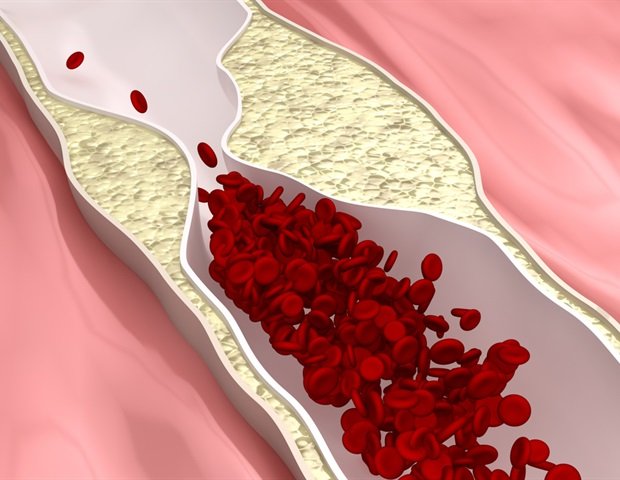
Diabetic macrovascular complications are the main cause of death and disability in diabetic patients, and vascular calcification is one of its important pathological mechanisms. Calcification of atherosclerotic plaques can cause vessel wall stiffness and decreased compliance, which can induce atherosclerotic plaque rupture, thereby increasing the risk of acute cardiovascular events.
Compared with non-diabetic patients, diabetic patients have atherosclerotic plaques in their coronary arteries, with larger necrotic cores and extensive calcification. Vascular calcification is an active process that involves osteoblast differentiation and vascular smooth muscle cell (VSMC) mineralization. However, the molecular mechanisms underlying vascular calcification in diabetic atherosclerotic plaques are not completely understood, and no effective interventions have been identified.
Research progress
To identify intervention targets for vascular calcification in diabetic atherosclerotic plaques, Professor Zhongqun Wang’s team from the Department of Cardiology, Jiangsu University Hospital conducted spatial metabolomics and single-cell transcriptomics analyzes on the anterior tibial artery of diabetic amputees.
Results showed that the calcified anterior tibial artery of diabetic foot patients undergoing amputations had enhanced branched-chain amino acid (BCAA) catabolism and increased expression of BCAT2 (a key metabolic enzyme in the BCAA catabolic pathway) in VSMCs.
To investigate the biological role and mechanism of BCAT2 in intraplaque calcification in diabetes, researchers generated apolipoprotein E (ApoE) and VSMC-specific BCAT2 double knockout mice (ApoE⁻/⁻/BCAT2ΔSMC). These mice were then analyzed in a diabetic atherosclerosis calcification model. Experimental results demonstrated that VSMC-specific BCAT2 knockout mice exhibited significantly reduced severity of vascular calcification, decreased calcium salt deposition, and suppressed osteogenic phenotypic transition of vascular smooth muscle cells.
RNA sequencing revealed that Runx2 expression was significantly downregulated in vascular smooth muscle cells (VSMCs) after BCAT2 knockout. Further analysis of chromatin immunoprecipitation sequencing (ChIP-seq) and chromatin immunoprecipitation quantitative polymerase chain reaction (ChIP-qPCR) data demonstrated that the level of histone H3 lysine 23 propionylation (H3K23pr) in the promoter region of RUNX2 was significantly reduced after BCAT2 knockout, whereas it was upregulated by BCKA supplementation. Furthermore, silencing RUNX2 virtually abolished the regulatory effect of the BCAT2-BCKA axis on osteogenic differentiation of VSMCs.
Taken together, this study reveals for the first time the regulatory role of BCAT2-mediated branched-chain amino acid (BCAA) catabolism in vascular smooth muscle cells (VSMCs) in the progression of intraplaque calcification in diabetic atherosclerosis. Furthermore, we uncover a mechanism by which the BCAT2-BCKA-histone propionylation axis regulates osteogenic transdifferentiation of VSMCs and the progression of intraplaque calcification in diabetes. Furthermore, this study provides important experimental evidence for the precise prevention and treatment of intraplaque calcification in diabetes based on targeted inhibition of BCAT2 (Figure 1).
Future outlook
This study is the first to identify branched-chain amino acid (BCAA) catabolic remodeling in diabetic calcified blood vessels. Furthermore, the role and regulatory mechanism of BCAT2-mediated BCAA catabolism in vascular smooth muscle cells (VSMCs) in the progression of intraplaque calcification in diabetic atherosclerosis will be elucidated. In the future, targeted inhibition of BCAT2 is expected to provide a theoretical basis for the precise treatment of intraplaque calcification in diabetes.
sauce:
Science and Technology Review Publishing
Reference magazines:
Chan, L. Others. (2026). Vascular smooth muscle cell-specific BCAT2 deficiency attenuates diabetic atherosclerotic calcification via histone propionylation. the study. DOI: 10.34133/research.1052. https://spj.science.org/doi/10.34133/research.1052.
