

Close Menu

    Subscribe to Updates

    Get the latest creative news from FooBar about art, design and business.

    What's Hot

    The Core Problem with 2025-2030 DGAs for Clinical Practice

    August 11, 2026

    The Urgent Health Risks from Climate Change and Pollution

    August 10, 2026

    AI-Powered Wearables and Telemedicine Trends Driving Adoption

    August 9, 2026
    Facebook X (Twitter) Instagram
    Facebook X (Twitter) Instagram
    Health Magazine
    • Home
    • Environmental Health
    • Health Technology
    • Medical Research
    • Mental Health
    • Nutrition Science
    • Pharma
    • Public Health
    • Discover
      • Daily Health Tips
      • Financial Health & Stability
      • Holistic Health & Wellness
      • Mental Health
      • Nutrition & Dietary Trends
      • Professional & Personal Growth
    • Our Mission
    Health Magazine
    Home » News » How the brain’s ‘parent machine’ promotes social support in mice
    Discover

    How the brain’s ‘parent machine’ promotes social support in mice

    healthadminBy healthadminMarch 6, 2026No Comments3 Mins Read
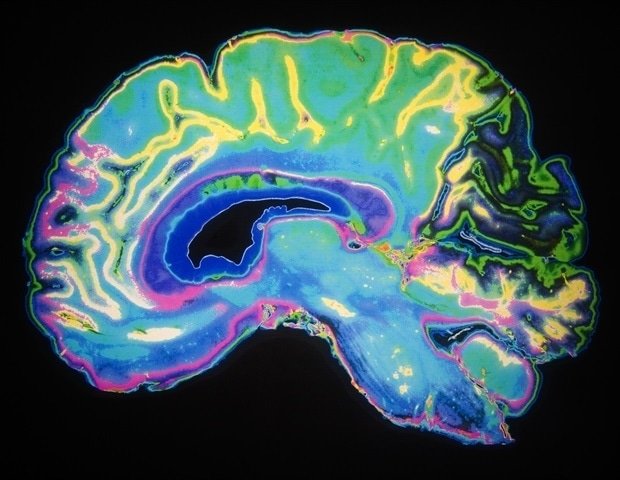
    How the brain’s ‘parent machine’ promotes social support in mice
    Share
    Facebook Twitter Reddit Telegram Pinterest Email


    Humans and animals share a remarkable ability to sense when others are suffering and respond with comforting actions. However, the motivation for doing so and why it sometimes fails is poorly understood.

    UCLA Health researchers seek to better understand this in a new study published in Nature, uncovering brain circuits in mice that link two seemingly disparate social behaviors: caring for vulnerable offspring and comforting a suffering peer. The discovery provides the first direct neurological evidence for the long-standing evolutionary hypothesis that the biological urge to help others may have its origins in ancient mechanisms of parental care.

    why is it important

    Scientists have long speculated that prosocial behavior, the behavior of helping and comforting others, may have evolved from neural systems that first developed to help care for helpless offspring. However, until now, the specific brain circuits that may link these two behaviors have not been identified.

    This study provides concrete neurobiological evidence for their evolutionary link, thereby providing a new framework for understanding the roots of empathy and social motivation and why they are disrupted in conditions such as depression, autism spectrum disorders, and psychiatric conditions characterized by social withdrawal.

    what happened in the research

    This study proved that animals that are better parents are also better helpers. Mice that spent more time caring for their young also spent more time comforting their stressed-out adult companions. This relationship was atypical and did not reflect general sociability or other self-directed behavioral tendencies.

    By monitoring neural activity, the researchers found that when animals encountered stressed adults, specific neurons in the medial preoptic area (MPOA), an area known for its role in child rearing, were activated. Then, when they silenced neurons recruited during interactions with pups, the animals reduced their helping behavior toward stressed adults, demonstrating a direct causal relationship between circuits that support parenting and prosocial behavior.

    Finally, the researchers identified an MPOA pathway that projects to the brain’s dopamine reward system, which bidirectionally controls both behaviors. Both comforting and parenting trigger dopamine release in the brain’s “reward center”, the nucleus accumbens, suggesting that helping others is inherently rewarding, and that this reward is mediated by the same circuits that motivate parents to care.

    what they found

    Taken together, these findings support the idea that evolution did not build prosocial behavior from scratch. Rather, the nervous system that evolved for offspring care may have provided a scaffold for the emergence of broader prosocial support among adults. Although MPOAs were once thought of primarily as child care centers, this study reveals that they are more general hubs for other-directed care.

    what’s next

    Future research will aim to understand why some individuals are more sociable than others. Researchers are also investigating whether disruption of this circuit contributes to the social deficits seen in animal models of neuropsychiatric diseases, and whether restoring its activity could be a therapeutic target.

    from the experts

    We show that the same circuitry that enables animals to care for their offspring also facilitates helping and comforting behaviors toward distressed adults, highlighting the common neural substrates that may shape empathy, cooperation, and the formation of cooperative social communities. ”


    Weizhe Hon, lead study author and professor, Department of Neurobiology and Biochemistry, University of California, Los Angeles

    sauce:

    University of California Los Angeles

    Reference magazines:

    Sun, F. Others. (2026). Shared neural substrates of prosocial and parenting behaviors. nature. DOI: 10.1038/s41586-026-10327-8. https://www.nature.com/articles/s41586-026-10327-8.


    Source link

    Visited 16 times, 1 visit(s) today
    Share. Facebook Twitter Pinterest LinkedIn Telegram Reddit Email
    Previous ArticleBCAT2 enzyme identified as target for diabetic foot recovery
    Next Article MSK reveals how interacting mutations protect against breast cancer
    healthadmin

    Related Posts

    Texas A&M researchers build AI tool for tuberculosis drug discovery

    July 30, 2026

    New ultrasound technology breaks blood-brain barrier to treat gliomas

    July 30, 2026

    Omalizumab wins multi-allergen oral immunotherapy in multi-food allergy trial

    July 30, 2026

    MAGFLO™ NGS beads: cost-effective nucleic acid purification

    July 30, 2026

    Qureight completes $20 million Series B funding

    July 30, 2026

    Cigarette smoke extract stimulates airway cells and increases nanoplastic damage

    July 30, 2026
    Add A Comment

    Comments are closed.

    Categories

    • Daily Health Tips
    • Discover
    • Environmental Health
    • Exercise & Fitness
    • Featured
    • Featured Videos
    • Financial Health & Stability
    • Fitness
    • Fitness Updates
    • Health
    • Health Technology
    • Healthy Aging
    • Healthy Living
    • Holistic Healing
    • Holistic Health & Wellness
    • Medical Research
    • Medical Research & Insights
    • Mental Health
    • Mental Wellness
    • Natural Remedies
    • New Workouts
    • Nutrition
    • Nutrition & Dietary Trends
    • Nutrition & Superfoods
    • Nutrition Science
    • Pharma
    • Preventive Healthcare
    • Professional & Personal Growth
    • Public Health
    • Public Health & Awareness
    • Selected
    • Sleep & Recovery
    • Top Programs
    • Weight Management
    • Workouts
    Popular Posts
    • 1773313737_bacteria_-_Sebastian_Kaulitzki_46826fb7971649bfaca04a9b4cef3309-620x480.jpgHow Sino Biological ProPure™ redefines ultra-low… March 12, 2026
    • pexels-david-bartus-442116The food industry needs to act now to cut greenhouse… January 2, 2022
    • 1773729862_TagImage-3347-458389964760995353448-620x480.jpgDespite safety concerns, parents underestimate the… March 17, 2026
    • 1774403998_image_28620e4b6b0047f7ab9154b41d739db1-620x480.jpgGait pattern helps distinguish between Lewy body… March 24, 2026
    • 1773209206_futuristic_techno_design_on_background_of_supercomputer_data_center_-_Image_-_Timofeev_Vladimir_M1_4.jpegMulti-agent AI systems outperform single models… March 11, 2026
    • Leukemia-620x480.jpgBiomimetic platform powers CAR T therapy for… March 9, 2026

    Demo
    Stay In Touch
    • Facebook
    • Twitter
    • Pinterest
    • Instagram
    • YouTube
    • Vimeo
    Don't Miss

    The Core Problem with 2025-2030 DGAs for Clinical Practice

    By healthadminAugust 11, 2026

    Dietitians and researchers examine critical gaps in the 2025-2030 Dietary Guidelines for Americans and their implications for metabolic health interventions.

    The Urgent Health Risks from Climate Change and Pollution

    August 10, 2026

    AI-Powered Wearables and Telemedicine Trends Driving Adoption

    August 9, 2026

    The Urgent Health Crisis from Pollution and Climate Change

    August 8, 2026

    Subscribe to Updates

    Get the latest creative news from SmartMag about art & design.

    HealthxMagazine
    HealthxMagazine

    At HealthX Magazine, we are dedicated to empowering entrepreneurs, doctors, chiropractors, healthcare professionals, personal trainers, executives, thought leaders, and anyone striving for optimal health.

    Our Picks

    The Urgent Health Crisis from Pollution and Climate Change

    August 8, 2026

    Overcoming Drug Development Challenges: What Pharmacologists and Executives Will Gain in 2026

    August 7, 2026

    The 2026 Challenge: Fragmented Infrastructure and Access Barriers in Mental Health

    August 5, 2026
    New Comments
      Facebook X (Twitter) Instagram Pinterest
      • Home
      • Privacy Policy
      • Our Mission
      © 2026 ThemeSphere. Designed by ThemeSphere.

      Type above and press Enter to search. Press Esc to cancel.