


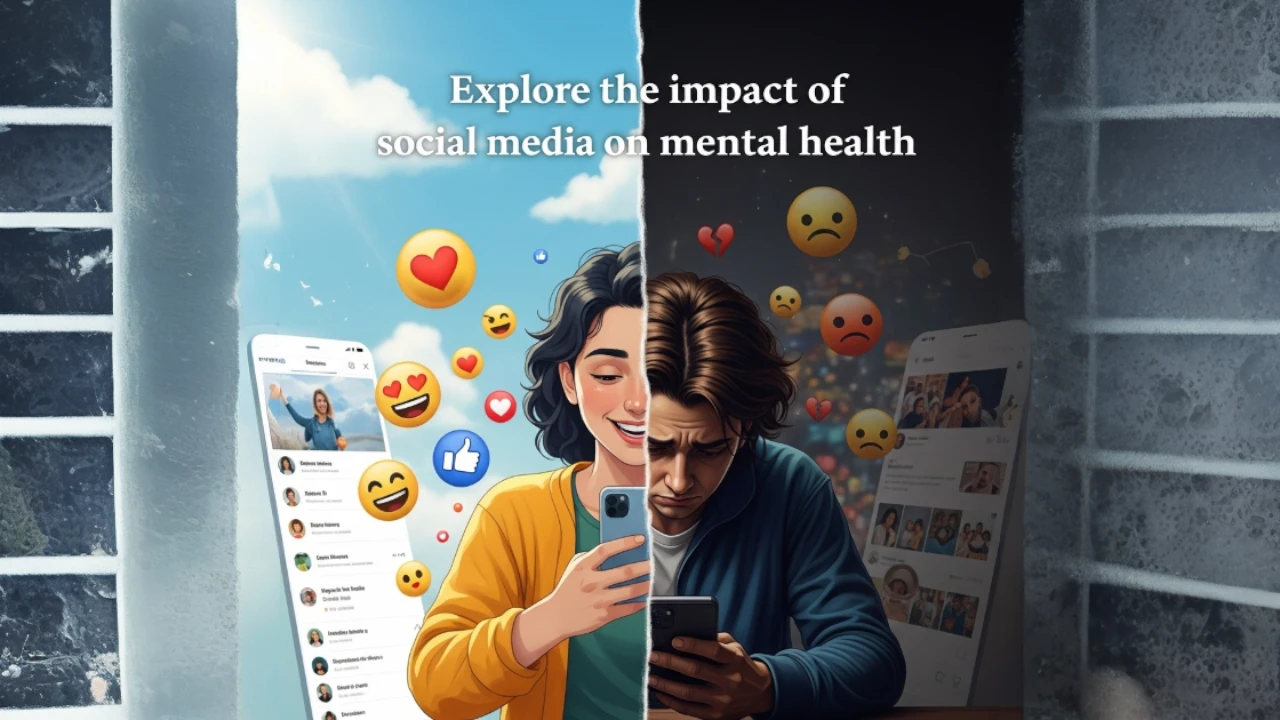
In a world where scrolling is second nature, social media has become both a lifeline and a trap. We use it to connect, share, and stay informed — but often, we end up feeling drained, anxious, or inadequate.
From Instagram highlights to endless TikTok trends, our screens mirror not just our lives but also our insecurities. The truth is, social media affects mental health in profound ways — both positive and negative.
Understanding this dual nature is the first step toward taking control. This article explores how social media impacts your mind and emotions, and most importantly, how to navigate it mindfully for a healthier, happier you.
Understanding the Link Between Social Media and Mental Health
Social media platforms like Facebook, Instagram, X (formerly Twitter), and TikTok were designed to connect people, but over time, they have evolved into digital ecosystems that shape our emotions, behavior, and even self-worth.
Studies published in The Journal of Social and Clinical Psychology show that excessive social media use correlates with increased depression and anxiety — especially among young adults.
However, the impact isn’t all bad. Social media can also boost self-expression, community support, and education when used consciously. The key lies in how and how much we use it.
Positive Effects: The Bright Side of Social Media
Let’s start with the good. Social media offers valuable opportunities for growth, learning, and connection.
- Building Connections:
Platforms like Facebook and LinkedIn help people maintain long-distance relationships, connect with like-minded individuals, and find communities that share similar passions. - Mental Health Awareness:
Social media has been instrumental in destigmatizing mental health conversations, giving people access to therapists, motivational pages, and real stories of recovery. - Learning and Inspiration:
You can learn new skills, discover inspiring stories, and gain motivation through content creators and online educators. Used intentionally, social media can empower personal growth.
Negative Effects: The Hidden Toll on Mental Health
While the benefits are undeniable, the mental toll of social media often goes unnoticed until it’s overwhelming.
- Comparison and Low Self-Esteem
Scrolling through curated feeds can make your life seem dull in comparison. Constant exposure to “perfect” bodies, lifestyles, and success stories often leads to self-doubt and dissatisfaction. - Anxiety and FOMO (Fear of Missing Out)
The need to stay updated — to never miss what others are doing — creates digital anxiety. Notifications, likes, and shares become addictive triggers that fuel stress. - Sleep Disruption and Poor Focus
Blue light from screens and late-night scrolling interfere with sleep quality, while multitasking across platforms reduces attention span and productivity. - Cyberbullying and Toxicity
Online harassment, trolling, and negative comments can deeply affect self-image and mental well-being, especially in younger audiences.
The Psychology Behind Social Media Addiction
Why is it so hard to log off?
Social media activates the dopamine reward system — the same mechanism linked to pleasure and addiction. Each “like,” comment, or new follower triggers a small dopamine release, making you crave more engagement.
Tech companies design platforms to keep users hooked — with infinite scrolling, notifications, and algorithmic content loops that feed on emotional triggers. The result? You feel restless when offline and anxious when online — a vicious cycle of digital dependence.
Recognizing the Warning Signs of Unhealthy Social Media Use
Awareness is the first step toward control. Ask yourself these questions:
Do you check your phone first thing in the morning and before bed?
Do you feel anxious when you can’t access social media?
Do likes or comments affect your mood?
Do you compare your life to others frequently?
If you said yes to most of these, it’s time to re-evaluate your digital habits. These are early indicators of social media burnout and emotional fatigue.
How to Navigate Social Media Mindfully
You don’t have to delete your accounts — you just need to use them wisely. Here’s how to reclaim your mental peace without going offline completely.
Set Boundaries and Time Limits
Use features like “screen time trackers” or app limits to manage your daily usage. Dedicate specific times for checking social media instead of mindless scrolling throughout the day.
Curate Your Feed for Positivity
Unfollow accounts that trigger negative emotions. Follow pages that promote wellness, creativity, and authenticity instead. Surround yourself with uplifting digital content.
Engage, Don’t Compare
Focus on meaningful interactions rather than seeking validation. Comment, share, and connect genuinely instead of passively consuming content.
Take Regular Digital Detoxes
Schedule one day a week or a few hours daily away from social platforms. Spend that time doing offline activities — reading, exercising, journaling, or simply relaxing.
Protect Your Sleep
Keep your phone away from your bed. Replace nighttime scrolling with a digital wind-down routine — such as meditation or reading a physical book.
The Role of Self-Awareness in Digital Well-being
Navigating social media starts with knowing yourself. When you’re mindful of your triggers, emotions, and habits, you make better choices.
Practice digital mindfulness by:
Pausing before reacting to a post.
Noticing how certain content makes you feel.
Asking, “Why am I scrolling right now?”
The goal is to use social media intentionally, not impulsively.
How to Build a Healthier Relationship with Social Media
A balanced relationship with social media isn’t about restriction — it’s about control and intention. Try these strategies:
Set Purposeful Goals: Use social media to learn, connect, or share, not just to pass time.
Limit Notifications: Turn off non-essential alerts to reduce digital distractions.
Diversify Your Hobbies: Invest time in offline interests — fitness, art, music, nature — to create joy beyond the screen.
Practice Gratitude: Instead of focusing on what others have, reflect on your own achievements.
Parents and Teens: Managing Social Media Together
Teenagers are the most vulnerable group when it comes to the negative effects of social media. Parents can play a vital role in guiding healthy use.
Tips for Parents:
Set shared screen-time limits.
Discuss online safety and mental health openly.
Encourage hobbies that don’t involve screens.
Be a role model — show healthy digital habits yourself.
Healthy conversations can turn social media from a source of stress into a tool for learning and growth.
When to Seek Professional Help
Sometimes, the emotional impact of social media becomes overwhelming — causing depression, anxiety, or social withdrawal.
If you experience persistent sadness, loss of motivation, or trouble disconnecting, don’t hesitate to seek support from a mental health professional.
Therapists and counselors can help you build coping strategies and create a more balanced relationship with technology.
For more support, visit:
National Alliance on Mental Illness (NAMI)
Mental Health Foundation
Frequently Asked Questions (FAQs)
Q1. Can social media actually cause depression?
Excessive use can trigger depression in vulnerable individuals by fostering comparison, isolation, and low self-esteem.
Q2. How much social media time is considered healthy?
Experts recommend limiting usage to under two hours per day for better emotional balance.
Q3. Is quitting social media completely necessary?
Not always. The key is mindful use — setting limits and focusing on positive engagement.
Q4. What are the signs of social media burnout?
Feeling drained, anxious, or irritable after using social media are common signs of burnout.
Q5. How can I help my child use social media responsibly?
Educate them on privacy, online kindness, and time management while setting clear boundaries.
Conclusion: Take Back Control of Your Digital Life
Social media is neither the villain nor the hero — it’s a powerful tool that reflects how we choose to use it.
When used intentionally, it can connect, educate, and inspire. But when used excessively, it can drain confidence and happiness.
Your mental health should always come first.
Start by setting boundaries, curating your digital space, and choosing presence over pressure.
Remember: real life happens beyond the screen — and it’s waiting for you to live it fully.
Internal Link:
Looking to improve your overall well-being? Check out our guide on [10 Simple Exercises to Get Rid of Back Pain for Good!]
External Authority Source:
Learn more about digital well-being from the World Health Organization’s Mental Health Resources.
