


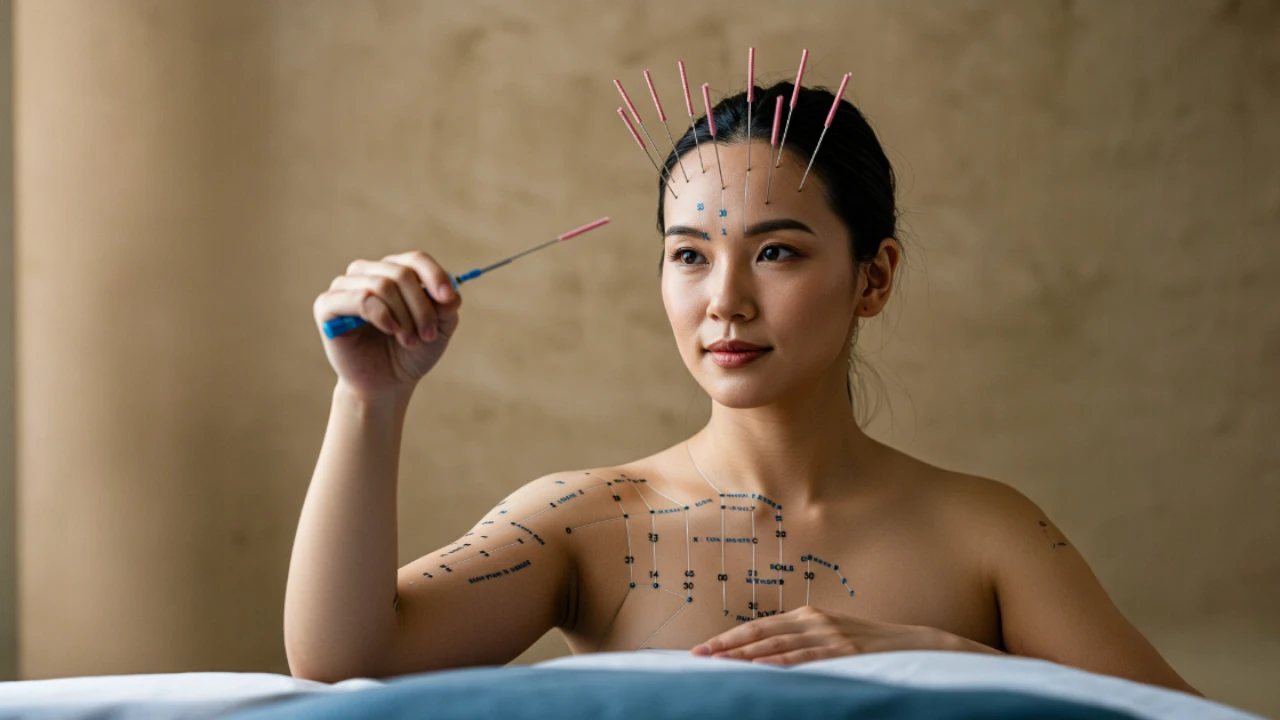
Modern lifestyles often lead to chronic stress, fatigue, and health imbalances. While conventional medicine addresses symptoms, many people seek natural healing methods that restore balance at the root level. Acupuncture, a practice rooted in Traditional Chinese Medicine (TCM), has gained global recognition for its ability to promote holistic healing and overall health. By stimulating specific points on the body, acupuncture restores energy flow, enhances physical well-being, and supports emotional balance.
Understanding the Philosophy Behind Acupuncture
Acupuncture is built on the principle of balancing the body’s life energy, or Qi (pronounced “chee”). According to TCM, when Qi flows smoothly through pathways called meridians, the body maintains optimal health. Disruptions in this flow can cause illness, pain, or emotional imbalance.
By inserting fine, sterile needles into specific points, acupuncture restores harmony, allowing the body to heal naturally. This philosophy emphasizes treating the whole person, not just isolated symptoms.
Acupuncture as a Tool for Holistic Healing
Holistic healing means addressing mind, body, and spirit together. Acupuncture aligns perfectly with this approach because it:
- Restores energetic balance for physical wellness.
- Reduces stress and anxiety, supporting emotional health.
- Improves sleep quality, essential for healing and recovery.
- Enhances the body’s natural immunity against illness.
Instead of masking discomfort, acupuncture empowers the body to repair itself from within.
The Health Benefits of Acupuncture Backed by Research
Scientific studies and patient experiences continue to validate acupuncture’s effectiveness in promoting health. Key benefits include:
- Pain Relief – Effective for headaches, arthritis, back pain, and muscle tension.
- Stress Management – Stimulates the nervous system to release endorphins, reducing cortisol levels.
- Improved Digestion – Supports gut health by regulating metabolism and easing discomfort like bloating or IBS.
- Better Sleep – Helps regulate circadian rhythms and calm the mind.
- Hormonal Balance – Assists with menstrual health, fertility, and menopause symptoms.
- Boosted Immunity – Enhances the body’s defense against seasonal illnesses.
Each of these outcomes reflects how acupuncture helps the body return to a state of balance.
Acupuncture for Emotional and Mental Well-Being
Modern health challenges are not just physical—they are deeply tied to mental and emotional stress. Acupuncture supports emotional wellness by:
- Calming the nervous system and reducing overthinking.
- Supporting the release of dopamine and serotonin, mood-enhancing chemicals.
- Providing relief for conditions such as anxiety, depression, and PTSD.
When mental health stabilizes, the entire body functions more efficiently, making holistic healing sustainable.
How Acupuncture Complements Modern Medicine
Acupuncture doesn’t replace conventional medicine—it enhances it. Many patients use acupuncture alongside standard treatments to accelerate recovery and improve outcomes. For instance:
- Cancer patients use acupuncture to ease chemotherapy side effects.
- People with chronic pain often combine acupuncture with physical therapy.
- Stress-related disorders benefit from both counseling and acupuncture sessions.
This integrative approach bridges ancient wisdom with modern science, creating a more complete health plan.
What to Expect in an Acupuncture Session
For beginners, acupuncture may seem intimidating. Here’s what typically happens during a session:
- Consultation – Practitioners discuss your health history and concerns.
- Diagnosis – The acupuncturist evaluates energy flow through pulse reading, tongue examination, and symptoms.
- Needle Placement – Thin, hair-like needles are gently inserted at specific points. Most people feel little to no pain.
- Relaxation – You rest for 20–40 minutes while the body’s energy flow realigns.
- Aftercare – Many report feeling calm, refreshed, or energized post-session.
This experience highlights how acupuncture is not just a treatment, but a restorative ritual.
Debunking Myths About Acupuncture
Despite its proven benefits, several myths prevent people from trying acupuncture. Let’s clear them up:
- Myth: Acupuncture is painful.
Truth: The needles are extremely thin and most people barely feel them. - Myth: It’s not scientifically backed.
Truth: Thousands of studies and endorsements by the World Health Organization support its benefits. - Myth: It’s only for pain.
Truth: Acupuncture addresses a wide range of conditions, from stress to digestive health. - Myth: Results take years.
Truth: Many feel improvements after just a few sessions.
Acupuncture and Preventive Health
One of the most powerful aspects of acupuncture is its role in preventing illness. By maintaining energy flow and balance, acupuncture:
- Reduces the risk of chronic stress-related conditions.
- Keeps immune defenses strong.
- Improves resilience against fatigue, burnout, and lifestyle-related disorders.
This preventive angle makes acupuncture a vital part of long-term health management.
Practical Tips for Integrating Acupuncture into Your Lifestyle
If you’re ready to explore acupuncture for holistic healing, consider these steps:
- Find a Licensed Practitioner – Always choose certified, experienced professionals.
- Be Consistent – Regular sessions yield stronger results than one-off treatments.
- Combine with Healthy Habits – Pair acupuncture with balanced nutrition, movement, and mindfulness practices.
- Stay Open-Minded – Healing is a journey; results may vary depending on your unique body and needs.
Conclusion: A Path Toward Holistic Health
Acupuncture is more than an ancient healing technique—it’s a comprehensive wellness practice that supports physical, emotional, and spiritual balance. By restoring harmony in the body, acupuncture empowers individuals to live with greater vitality, less stress, and improved overall health.
For anyone seeking natural, preventive, and holistic solutions, acupuncture offers a timeless pathway to healing in today’s fast-paced world.
Frequently Asked Questions
What conditions respond best to acupuncture?
Acupuncture is effective for pain relief, stress, sleep issues, digestive problems, and hormonal balance.
Is acupuncture safe for everyone?
Yes, when performed by a licensed practitioner. Pregnant women and certain medical cases should consult their doctor first.
How many sessions are needed to see results?
Some feel better after the first session, while chronic conditions may require multiple visits for lasting improvements.
Can acupuncture replace medication?
Not entirely. It works best as a complementary therapy alongside traditional medicine.
Does insurance cover acupuncture?
Many health insurance plans now include acupuncture for pain management and wellness.
🔗 Further Reading:
