


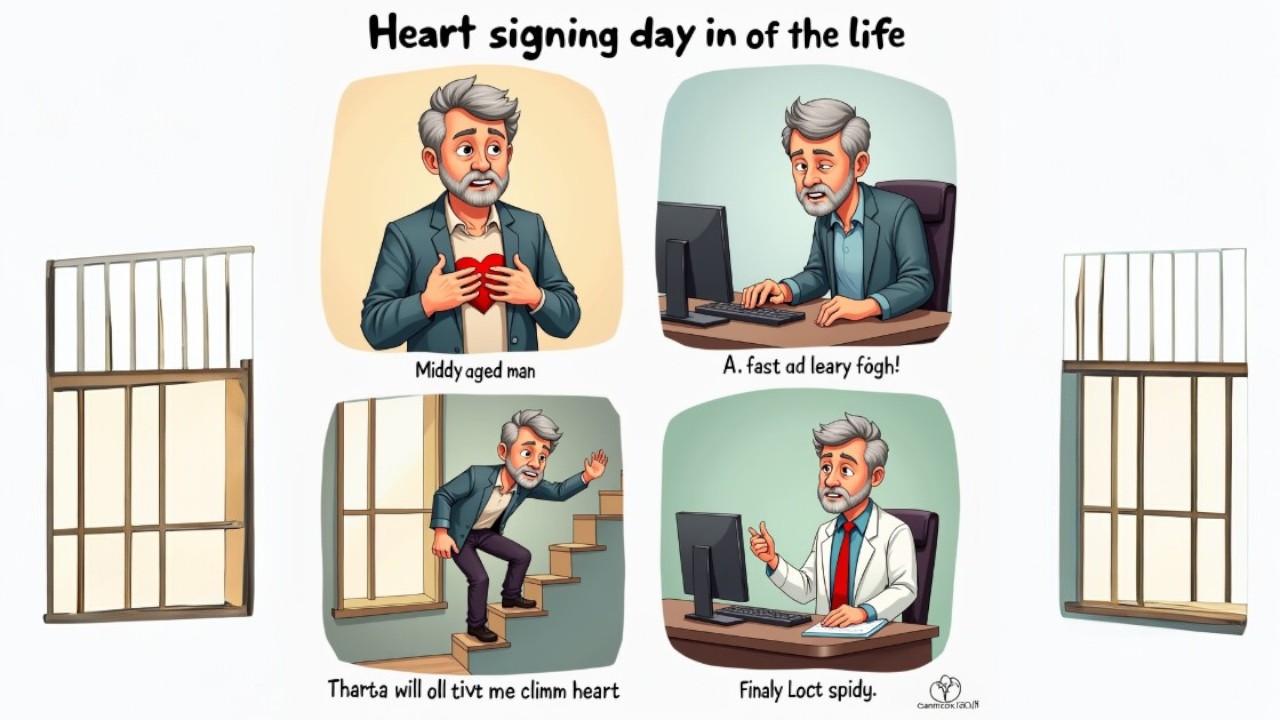
Heart disease is a leading cause of death worldwide, affecting millions of people each year. Recognizing the early warning signs can significantly improve the chances of successful treatment and prevention. In this comprehensive guide, we will explore the various early warning signs of heart disease that you shouldn’t ignore.
Understanding Heart Disease
What is Heart Disease?
Heart disease, also known as cardiovascular disease, encompasses a range of conditions affecting the heart and blood vessels. These conditions include coronary artery disease, heart failure, arrhythmias, and valvular heart disease.
Common Causes of Heart Disease
High Blood Pressure
High blood pressure (hypertension) is a significant risk factor for heart disease. It puts extra strain on the heart and arteries, leading to damage over time.
High Cholesterol
Elevated levels of cholesterol can lead to the buildup of plaques in the arteries, restricting blood flow to the heart and increasing the risk of heart attacks.
Smoking
Smoking damages the blood vessels and heart, significantly increasing the risk of heart disease. It contributes to the buildup of plaque in the arteries and reduces oxygen in the blood.
Diabetes
People with diabetes are at a higher risk of developing heart disease. High blood sugar levels can damage blood vessels and the nerves that control the heart.
Obesity
Obesity is a major risk factor for heart disease. Excess weight puts additional strain on the heart, increases blood pressure, and contributes to high cholesterol and diabetes.
Early Warning Signs of Heart Disease
Chest Pain or Discomfort
Angina
Angina is chest pain or discomfort that occurs when the heart muscle doesn’t get enough oxygen-rich blood. It often feels like pressure, squeezing, or fullness in the chest.
Chest Pain During Physical Activity
If you experience chest pain during physical activity or stress that subsides with rest, it could be a sign of coronary artery disease.
Shortness of Breath
Difficulty Breathing During Activities
Shortness of breath during routine activities or exercise can indicate heart disease. It may occur due to the heart’s inability to pump blood effectively.
Breathlessness at Rest
Experiencing breathlessness at rest or while lying down may be a symptom of heart failure. This condition occurs when the heart cannot meet the body’s demands for blood and oxygen.
Fatigue and Weakness
Unexplained Fatigue
Persistent fatigue and weakness that are not explained by other factors can be early signs of heart disease. This symptom occurs because the heart struggles to deliver enough blood to meet the body’s needs.
Fatigue After Minimal Effort
Feeling exhausted after minimal physical effort, such as climbing a few stairs, can indicate that the heart is not functioning optimally.
Swelling (Edema)
Swollen Feet, Ankles, or Legs
Swelling in the feet, ankles, or legs can be a sign of heart disease. It occurs when the heart cannot pump blood effectively, leading to fluid buildup in the lower extremities.
Abdominal Swelling
Abdominal swelling or bloating may also be associated with heart failure. This symptom results from fluid accumulation in the abdominal cavity.
Irregular Heartbeat
Palpitations
Palpitations are sensations of a racing, fluttering, or pounding heart. They can indicate arrhythmias, which are irregular heartbeats that may be a sign of heart disease.
Skipped Beats
Experiencing skipped beats or pauses in the heartbeat can also signal underlying heart conditions that require medical attention.
Dizziness or Lightheadedness
Sudden Dizziness
Sudden dizziness or lightheadedness can be a symptom of heart disease, particularly if it occurs along with other symptoms like chest pain or shortness of breath.
Fainting
Fainting or nearly fainting can occur due to a sudden drop in blood pressure or an irregular heartbeat, both of which may indicate heart problems.
Persistent Cough
Chronic Cough
A persistent cough that produces white or pink blood-tinged mucus can be a sign of heart failure. This symptom occurs due to fluid buildup in the lungs.
Coughing at Night
Coughing that worsens at night or while lying down can also be a symptom of heart disease, indicating that the heart is struggling to pump blood effectively.
Sweating
Excessive Sweating
Excessive sweating without an obvious cause, especially if it occurs suddenly or is accompanied by other symptoms like chest pain or shortness of breath, can be a warning sign of a heart attack.
Cold Sweats
Cold sweats or clammy skin can indicate that the heart is under stress and struggling to function properly.
Nausea and Vomiting
Nausea with Chest Pain
Nausea and vomiting can sometimes accompany chest pain during a heart attack. This symptom is more common in women than men.
Persistent Nausea
Persistent nausea without a clear cause can also be a sign of heart disease, particularly if it is accompanied by other symptoms like fatigue or shortness of breath.
Risk Factors for Heart Disease
Age and Gender
Age
The risk of heart disease increases with age. Men over 45 and women over 55 are at higher risk.
Gender
Men are generally at higher risk for heart disease at a younger age, but the risk for women increases and can surpass that of men after menopause.
Family History
Genetic Factors
A family history of heart disease increases your risk, particularly if a parent or sibling developed heart disease at an early age.
Hereditary Conditions
Certain hereditary conditions like high cholesterol or hypertension can also increase the risk of developing heart disease.
Lifestyle Factors
Diet
A poor diet high in saturated fats, trans fats, and cholesterol can contribute to the development of heart disease.
Physical Inactivity
Lack of physical activity can lead to weight gain, high blood pressure, and elevated cholesterol levels, all of which increase the risk of heart disease.
Alcohol and Drug Use
Excessive alcohol consumption and the use of certain drugs can damage the heart and increase the risk of heart disease.
Preventing Heart Disease

Healthy Diet
Balanced Nutrition
Adopt a balanced diet rich in fruits, vegetables, whole grains, lean proteins, and healthy fats to support heart health.
Limit Unhealthy Fats
Reduce the intake of saturated and trans fats to lower cholesterol levels and decrease the risk of plaque buildup in the arteries.
Regular Exercise
Physical Activity Recommendations
Aim for at least 150 minutes of moderate exercise or 75 minutes of vigorous exercise per week to maintain heart health.
Types of Exercise
Include aerobic exercises like walking, jogging, and swimming, as well as strength training and flexibility exercises in your routine.
Quit Smoking
Smoking Cessation Programs
Consider joining a smoking cessation program or seeking professional help to quit smoking and reduce the risk of heart disease.
Benefits of Quitting
Quitting smoking significantly lowers the risk of heart disease and improves overall health, even if you have smoked for many years.
Manage Stress
Stress Reduction Techniques
Practice stress reduction techniques such as meditation, yoga, deep breathing exercises, and mindfulness to lower stress levels and support heart health.
Seek Professional Help
If you struggle with chronic stress or anxiety, consider seeking help from a mental health professional to develop effective coping strategies.
Regular Health Screenings
Blood Pressure Monitoring
Regularly monitor your blood pressure and follow your healthcare provider’s recommendations to manage hypertension effectively.
Cholesterol Checks
Get your cholesterol levels checked regularly and take steps to manage high cholesterol through diet, exercise, and medication if needed.
Conclusion
Recognizing the early warning signs of heart disease is crucial for timely intervention and prevention. By understanding the symptoms, risk factors, and preventive measures, you can take proactive steps to protect your heart health. Regular check-ups, a healthy lifestyle, and awareness of your body’s signals can make a significant difference in preventing heart disease and ensuring a long, healthy life.
FAQs
Can heart disease be reversed with lifestyle changes?
While certain aspects of heart disease can be managed and improved with lifestyle changes, some damage may be irreversible. However, adopting a healthy lifestyle can significantly reduce symptoms and prevent further progression.
H3: How often should I get my heart checked?
It’s recommended to have a heart health check-up at least once a year, especially if you have risk factors such as high blood pressure, high cholesterol, or a family history of heart disease. Consult your doctor for personalized advice.
Are heart disease symptoms different for men and women?
Yes, while both men and women can experience chest pain, women are more likely to have additional symptoms such as nausea, shortness of breath, and fatigue. These differences can sometimes lead to misdiagnosis or delayed treatment in women.
What is the best diet for heart health?
A heart-healthy diet includes plenty of fruits, vegetables, whole grains, lean proteins, and healthy fats. Limiting salt, sugar, and unhealthy fats is also crucial. The Mediterranean diet is often recommended for its heart benefits.
Can stress cause heart disease?
Chronic stress can contribute to heart disease by raising blood pressure, increasing inflammation, and leading to unhealthy behaviors such as smoking and poor eating habits. Managing stress through healthy coping mechanisms is important for heart health.
Meta Description
Learn to recognize the early warning signs of heart disease and take proactive steps to protect your heart health. Discover symptoms, risk factors, and prevention tips.
