


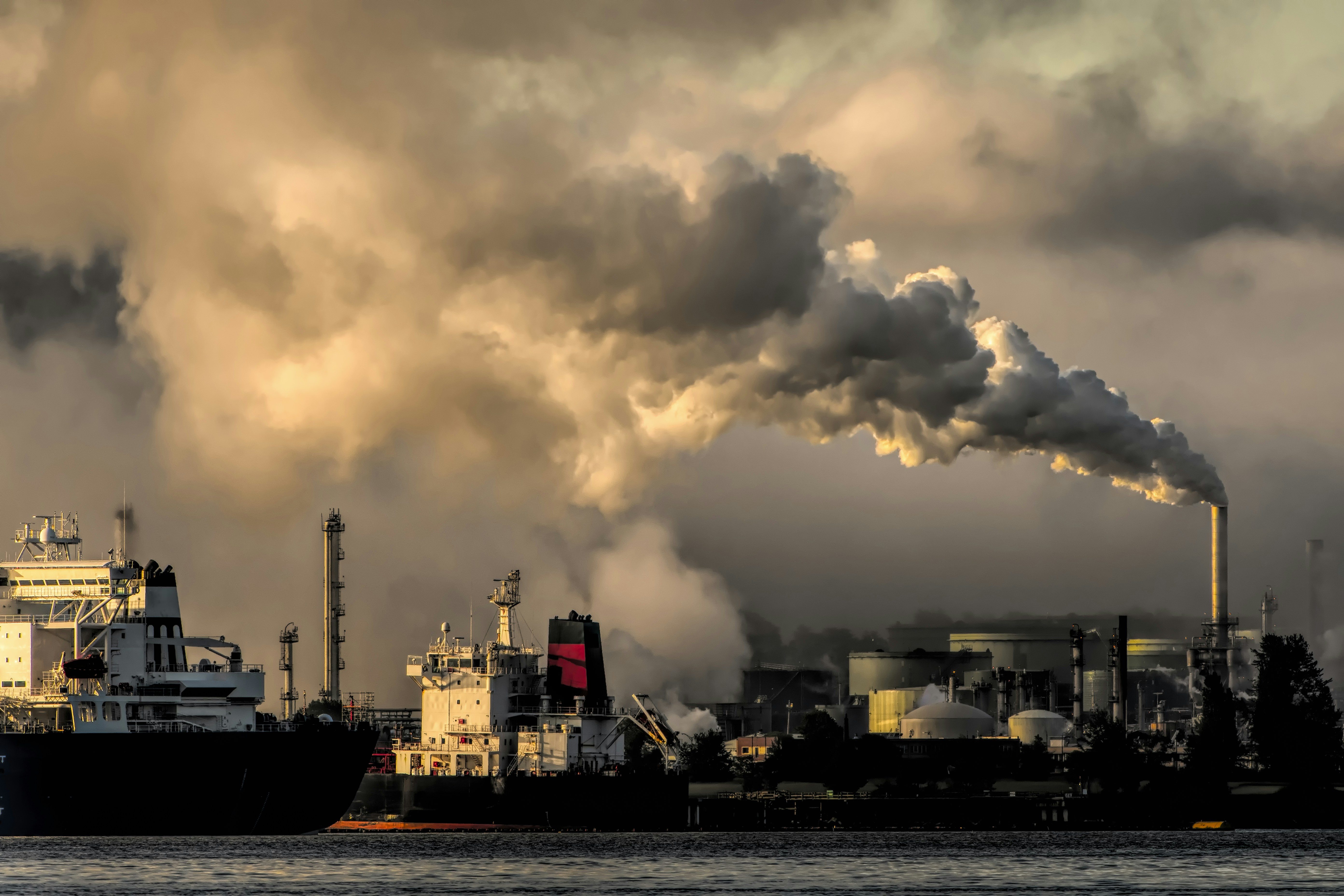
Climate change and health represent a pressing intersection that demands immediate attention from environmental scientists, urban planners, and public health advocates. Rising global temperatures exacerbate pollution and extreme events, leading to widespread environmental health impacts. Siloed efforts in research or policy often overlook these connections, limiting effective responses to complex challenges.
Data from the 2025 Lancet Countdown tracks key indicators, revealing increases in heat-related deaths and infectious disease spread tied to climate shifts. The World Health Organization outlines how climate change drives malnutrition, respiratory diseases, and displacement-related health issues. These findings underscore the need for cross-disciplinary action.
Urban planners can leverage EPA guidance on adaptation and pollution control to design resilient cities. Incorporating green spaces and sustainable transport reduces emissions while improving air quality and community well-being. This approach counters health inequities from climate change that hit low-income areas hardest, according to recent AJPH analyses.
Emerging trends analyzed by UNU point to 2026 priorities like heatwave management, as seen in Saudi Arabia’s Hajj strategies. New Zealand’s atmosphere report and European observatories provide tools for monitoring ecosystem and health effects. MDPI studies on pollution, climate, and health determinants offer scientific backing for mitigation.
CHanGE center research emphasizes global extremes and their health consequences. By adopting integrated sustainability strategies, professionals move beyond limitations of separate fields. The result is stronger climate resilience through coordinated pollution mitigation and policy frameworks that deliver measurable health benefits.
Key Environmental Health Impacts: Pollution, Heatwaves, and Climate-Driven Inequities
Rising temperatures intensify pollution and heatwaves, creating severe environmental health impacts across cities and vulnerable communities. Climate change and health outcomes worsen when urban areas lack adequate green infrastructure, leading to higher rates of respiratory illnesses and heat stress. The Lancet Countdown report highlights how air pollution from fossil fuels contributes to millions of premature deaths annually, directly linking climate patterns to health declines.
In urban settings, planners face challenges from extreme heat events documented in WHO fact sheets, where vulnerable populations suffer disproportionately. Saudi Arabia’s Hajj heatwave mitigation provides a case study in climate resilience, using shaded pathways and cooling stations to protect pilgrims during extreme conditions. Similar strategies apply to cities worldwide facing health inequities from climate change.
New Zealand’s 2026 atmosphere report shows ecosystem disruptions affecting public health through altered disease vectors. European Climate Health Observatory tools support urban planning adaptation by modeling pollution dispersion and heat islands. MDPI research on pollution, climate and health determinants reveals how low-income neighborhoods bear the brunt of these effects, exacerbating existing disparities.
CHanGE center studies on climate extremes demonstrate global patterns where heatwaves increase cardiovascular risks. Integrating sustainability strategies helps mitigate these impacts by promoting cleaner air and cooler environments. Advocates can use these insights to push for policies that address both pollution mitigation and equitable health protections in the face of ongoing climate change and health threats. This approach strengthens overall responses to interconnected crises.
Mitigation Strategies: Building Sustainable Pollution Control and Climate Resilience
Professionals address climate change and health by prioritizing pollution mitigation through strict emission controls and real-time air quality monitoring. Urban planning adaptation incorporates green roofs and expanded tree canopies to lower heat islands and improve respiratory outcomes. These steps reduce environmental health impacts while advancing climate resilience in dense cities.
Step one involves baseline assessments using data from the Lancet Countdown and EPA reports to identify high-risk zones. Step two applies sustainability strategies such as shifting to clean energy and electrified transport systems that cut both pollution and greenhouse gases. The WHO outlines how these actions deliver immediate health co-benefits including fewer heat-related illnesses.
Equity-focused policies target health inequities from climate change by directing resources to vulnerable neighborhoods. European Climate Health Observatory tools enable tracking of adaptation progress. New Zealand atmosphere reports and MDPI studies guide ecosystem-based solutions that strengthen long-term resilience.
Advocates should form cross-sector coalitions, pilot local projects, and scale successful models using CHanGE research on extremes. Regular evaluation against 2026 indicators ensures continued improvement in pollution mitigation and overall climate resilience.
Sources
- https://lancetcountdown.org
- https://www.who.int/news-room/fact-sheets/detail/climate-change-and-health
- https://www.epa.gov/climate-change
- https://unu.edu/ehs/article/5-things-watch-climate-and-environment-2026
- https://ajph.aphapublications.org/doi/10.2105/AJPH.2026.308561
- https://www.emro.who.int/emhj-volume-32-2026/volume-32-number-6/saudi-arabias-heatwave-mitigation-strategy-during-the-hajj.html
- https://environment.govt.nz/publications/our-atmosphere-and-climate-2026
- https://climate-adapt.eea.europa.eu/en/observatory
- https://www.mdpi.com/journal/sustainability/specialissues/pollutionclimate_health
- https://change.deohs.washington.edu
