


Studies suggest that consuming a diet rich in plant-based compounds known as polyphenols is a promising approach to protecting the brain from age-related decline. Recent comprehensive reviews published in journals nutrients These natural substances provide evidence that they may help delay the onset of neurodegenerative conditions like Alzheimer’s disease. The study focuses on how polyphenols interact with cellular pathways to reduce inflammation and oxidative stress, but the scientists note that more human trials are needed to confirm these benefits.
As the world’s population ages, the number of people experiencing dementia and other cognitive impairments continues to rise rapidly. Diseases such as Alzheimer’s disease and Parkinson’s disease share some fundamental biological mechanisms associated with the natural aging process. A scientific perspective known as the geriatrics framework considers aging itself to be the main cause of these diseases. This framework suggests that common aging processes such as chronic inflammation and cellular energy failure interact to gradually weaken the brain over time.
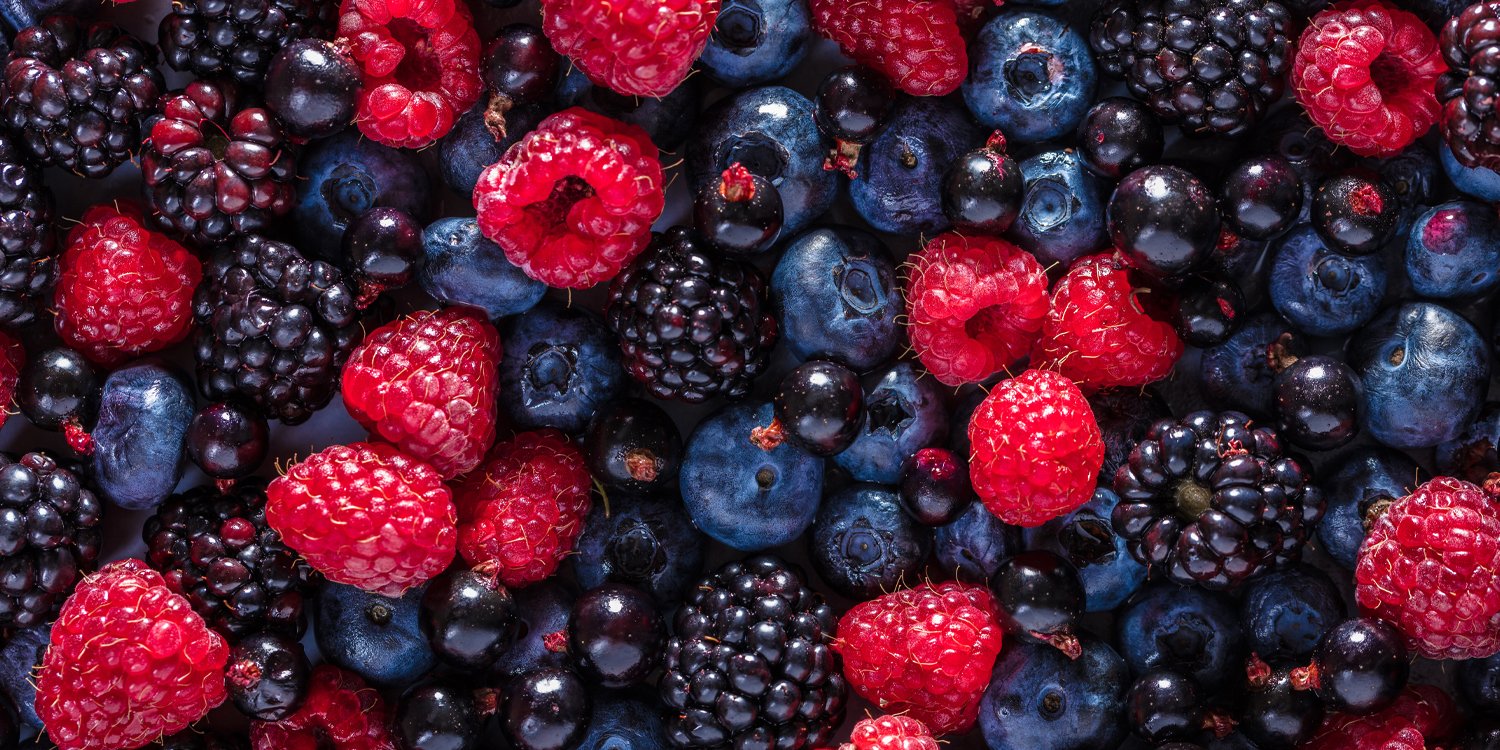
To understand how lifestyle factors counteract these biological changes, researchers are turning to nutrition. Plant-based foods are rich in bioactive compounds, which are natural chemicals that can affect cellular function. Polyphenols are a specific and widely studied category of these plant compounds that occur naturally in foods such as berries, leafy greens, coffee, tea, cocoa, and extra virgin olive oil. There are thousands of polyphenols, divided into groups such as flavonoids, phenolic acids, stilbenes, and lignans. For example, flavonoids are found in high concentrations in berries and tea, and stilbenes include compounds such as resveratrol, which is found in grapes.
A team of researchers from Semmelweis University, Lublin University of Life Sciences, and Jagiellonian University Medical School synthesized the latest scientific literature to investigate how dietary polyphenols alter the underlying mechanisms of brain aging. They wanted to provide up-to-date information on how these compounds interact with human biology and what that means for memory and the maintenance of thinking skills. The authors aimed to map the biological pathway of these nutrients from the gastrointestinal tract to the brain by investigating both laboratory experiments and population data.
This review shows that diets naturally rich in polyphenols tend to be associated with a lower risk of cognitive decline in observational studies. Two prominent examples are the Mediterranean diet and the MIND diet. The Mediterranean diet is characterized by a high intake of vegetables, fruits, whole grains, and olive oil.
The MIND diet emphasizes foods known to support brain health, such as nuts, berries, and leafy greens, and limits heavily processed foods. This study suggests that the complex mixture of plant compounds in these diets work synergistically to protect neurons, the brain’s main nerve cells.
At the cellular level, polyphenols appear to target oxidative stress. Oxidative stress is a damaging process in which unstable molecules called free radicals accumulate and damage cellular structures such as DNA and cell membranes.
The brain uses large amounts of oxygen for energy, making it highly vulnerable to this type of chemical damage. Animal and laboratory studies have shown that polyphenols can activate the body’s antioxidant defense system. By inducing a specific cellular pathway known as Nrf2, these plant compounds help neutralize harmful free radicals before they can cause permanent damage to delicate brain tissue.
In addition to fighting oxidative stress, polyphenols have shown potential to reduce chronic inflammation. As the brain ages, the brain’s resident immune cells often become overactive. This causes a sustained low-level inflammatory state that can damage surrounding neurons. This review provides evidence that polyphenols block certain inflammatory signaling pathways, help balance the brain’s immune response and prevent excessive cell damage.
Another important discovery concerns how the brain manages protein and cellular energy. In diseases such as Alzheimer’s and Parkinson’s, abnormal proteins clump together and disrupt normal brain function. Laboratory models suggest that certain polyphenols, such as resveratrol in grapes and EGCG in green tea, can interfere with this aggregation process. These compounds are thought to stimulate autophagy, a natural cellular recycling system that helps cells remove damaged proteins and defective parts more efficiently.
Mitochondrial dysfunction is another hallmark of the aging brain that polyphenols can influence. Mitochondria are small energy factories inside cells. Over time, these structures accumulate damage and become less efficient, robbing brain cells of large amounts of energy they need to function. This review highlights preclinical evidence suggesting that polyphenols trigger cellular sensors that promote the generation of new healthy mitochondria and help restore energy balance in aging neurons.
The gut microbiome, the vast bacterial community that lives in the human digestive tract, plays a major role in how the body processes and utilizes polyphenols. When you consume foods like berries and cocoa, only a small portion of the polyphenols are absorbed directly into your bloodstream through your small intestine. The majority travels downward to the colon, where gut bacteria break down complex molecules into smaller, more easily absorbed metabolic byproducts.
These tiny bacterial byproducts enter the bloodstream and circulate throughout the body. Many of these modified compounds are able to cross the blood-brain barrier, a highly selective filter that protects the brain from circulating toxins. These gut-derived metabolites are thought to exert protective effects on brain cells once they enter the brain. The combination of gut bacteria differs slightly from person to person, so the way one person breaks down polyphenols and benefits from them may be completely different from another.
A major limitation of this field of nutritional research is that much of the current molecular understanding is derived from isolated cells in vitro and animal models. Humans metabolize plant foods quite differently, and the concentrations of polyphenols used in the laboratory are often much higher than those that humans consume in their regular diets. The authors note that human clinical trials have yielded mixed results, likely due to differences in study design, short trial durations, and variations in how individuals absorb these nutrients.
People may misinterpret these optimistic findings to mean that concentrated polyphenol supplements automatically prevent dementia or reverse cognitive decline. This review points out that consuming high doses of isolated polyphenols in tablet form may actually have unintended adverse effects. At unnatural concentrations, some polyphenols can act as pro-oxidants, causing cell damage or interfering with the body’s ability to absorb essential nutrients such as iron. Scientific consensus tends to support consuming these compounds from a balanced and diverse diet of whole foods.
Future research should focus on large-scale, long-term human trials that track diet and biological markers over many years. Relying on people simply remembering and reporting what they ate is notoriously inaccurate. To solve this problem, scientists want to rely more on metabolomics, a process that measures the precise chemical byproducts of food left behind in blood and urine. This objective measurement provides a more accurate picture of what a person actually consumes and absorbs.
The researchers also hope to develop precise nutritional plans in the coming years. Precision nutrition takes into account an individual’s unique genetics, metabolic health, and gut bacterial composition to tailor dietary recommendations. By understanding exactly how different bodies process plant compounds, researchers hope to provide specific, personalized dietary advice to more effectively protect the aging brain.
The paper, “Dietary polyphenols in brain aging: molecular mechanisms and implications for neurodegeneration,” was authored by Noémi Mózes, János Tamás Varga, Dominik Szwajgier, Agata Kryczyk-Poprawa, Virág Zábó, Andrea Lehoczki, Ágnes Lipécz, and Tamás. Čipus, Vince Fazekas-Pongor, David Major, Péter Varga, Attila Matyskák, Monika Fekete.
