


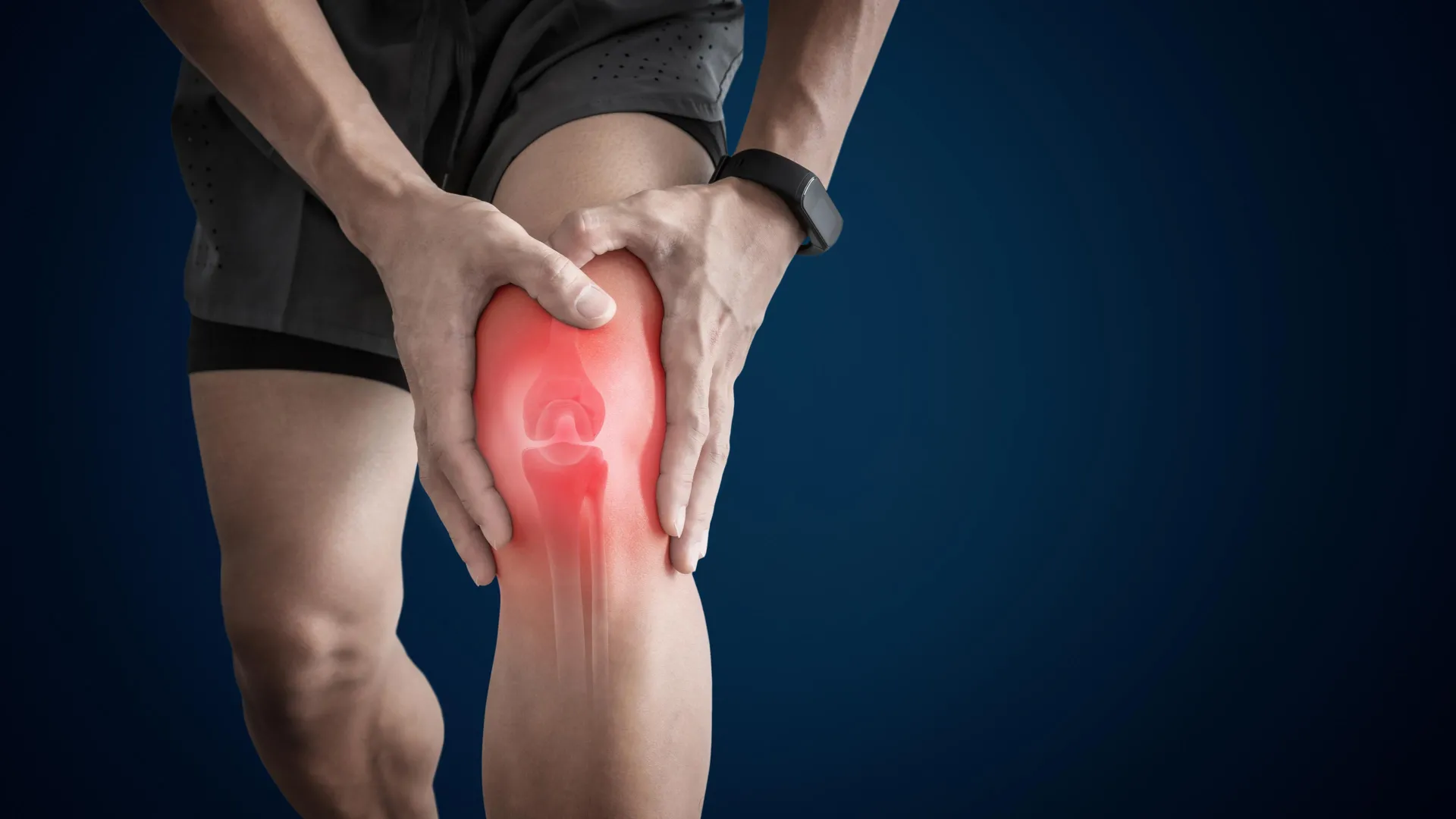
A daily prebiotic fiber supplement may help reduce pain and improve physical function in patients with knee osteoarthritis (OA), according to a new clinical trial. Participants who took the supplement also showed stronger grip strength and decreased sensitivity to pain, while dropping out far less than the group assigned to the digital physical therapy program.
Researchers at the University of Nottingham led the INSPIRE clinical trial, testing inulin, a natural dietary fiber found in chicory root, Jerusalem artichoke and other vegetables. Taking inulin daily significantly reduced pain in participants with OA.
Published in a magazine nutrientsthe findings show that supporting gut health may offer new ways to manage a wide range of disabling conditions that commonly affect older adults.
A simpler approach to knee osteoarthritis
Hundreds of millions of people around the world live with knee OA, which is a major cause of chronic pain and disability, especially in later life. Treatment often includes pain medications that can cause side effects and exercise programs that are difficult for some patients to maintain long-term.
Dr Afroditi Kouraki, lead author of the study from the University of Nottingham’s medical school, said: “This study raises the intriguing possibility that a simple dietary change, such as adding fiber supplements to breakfast or yogurt, could meaningfully reduce pain and improve physical function.”
How prebiotic fiber affects pain
The gut microbiome is made up of trillions of bacteria that live in your digestive system and influence many aspects of your health, including how your body feels pain. Inulin is a prebiotic, meaning it feeds beneficial gut bacteria.
When these bacteria consume inulin, short chain fatty acids (SCFA) are produced. One of the most important is butyrate, a compound that can affect biological pathways involved in inflammation and pain throughout the body.
Participants who received inulin had higher levels of both butyrate and glucagon-like peptide-1 (GLP-1), a gut hormone associated with pain regulation and muscle health. Elevated GLP-1 levels were also associated with improved grip strength, suggesting a possible link between gut health and muscle function, which the researchers believe is worthy of further study.
Pain relief with inulin and physical therapy
The 6-week randomized controlled trial enrolled 117 adults with knee OA. Participants were divided into four groups: inulin alone, digital physical therapy assisted exercise (PSE) alone, both treatments together, or a placebo.
Inulin and physical therapy each independently reduced knee pain. However, only the inulin group experienced improved grip strength and decreased pain sensitivity. These measurements can reflect how the nervous system detects and processes painful signals.
The inulin group also had a much lower dropout rate. Only 3.6% of participants who took the supplement dropped out of the study, compared to 21% of participants in the physical therapy group. This difference suggests that for many patients, adding supplements to their daily routine may be easier to maintain than following an exercise program.
Dr. Kouraki said, “Our findings suggest that targeting gut health with prebiotic supplements is a safe, well-tolerated and effective way to reduce pain in patients with knee osteoarthritis. The very low dropout rate compared to the exercise group is also reassuring from a public health perspective. People were able to easily incorporate this supplement into their daily lives.”
Possible relationship between intestines and muscle pain
Senior author Professor Ana Valdez, from the School of Medicine, added: “The association we observed between GLP-1 and grip strength is particularly interesting and points to a broader gut-muscle-pain axis and warrants further study. This may have implications not just for osteoarthritis, but for our understanding more broadly of how gut health influences aging and the body’s resilience.”
Professor Lucy Donaldson, research director at Arthritis UK, said: “Arthritis pain can have a serious impact on quality of life. Our recent life experience survey showed that six in 10 people live in pain most or all of the time because of their arthritis.”
“Researchers are beginning to investigate the role of the gut microbiome in our experience of pain. This exciting pilot study reveals how diet and physical therapy can work in different ways to benefit people with arthritis. We know that the variety and balance of healthy foods, including fiber, and regular physical activity are important, and we are pleased to support research exploring how they work to help people with arthritis.”
