


A new oral antiviral drug candidate, administered before or after direct contact or airborne infection with canine distemper virus, which causes measles-like disease in ferrets, blocks transmission of the virus and reduces clinical symptoms, according to research published in the same journal. natural microbiology By researchers at Georgia State University’s Center for Translational Antiviral Research (CTAR).
This study investigated whether prophylactic (just before or after exposure) administration of the recently developed clinical candidate GHP-88310 (described in Science Advances), a broad-spectrum inhibitor of viral polymerases, prevents viral transmission through close contact or airborne transmission. This result indicates that GHP-88310 efficiently blocks both forms of virus spread. Additionally, the study showed that treating infected animals shortens the period during which infected animals can transmit the virus.
Rapid suppression of measles outbreaks is essential to re-establish control of the virus. This study follows the recent development of drug candidate GHP-88310. This indicates that the drug is suitable to augment conventional ring vaccination against measles. ”
Richard Premper, Senior Author, Regents Professor, CTAR Director
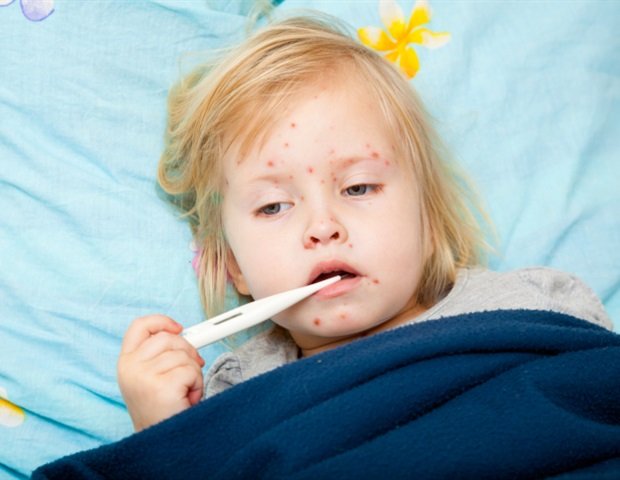
Since 2025, measles has reemerged in the United States, with thousands of cases in multiple states, hundreds of hospitalizations, and three confirmed deaths. Large-scale outbreaks in Canada and Mexico, resulting in multiple deaths, have called into question the status of measles eradication in North America.
“We were very excited to see that orally administered GHP-88310 completely prevented airborne transmission in a ferret measles model,” said first author Carolyn Lieber, a senior postdoctoral fellow in the Premper lab. “This discovery is unprecedented for a viral polymerase inhibitor and demonstrates the extraordinary antiviral power of this drug.”
To investigate the relevant conditions for viral transmission, researchers developed a system that allows them to pair infected and uninfected animals in direct physical contact or in shared airspace under controlled environmental parameters.
“We designed this study to replicate the spread of the virus between people in direct contact, such as within households, and during more distant social contacts, such as classrooms and other indoor environments that bring people together without direct contact,” Professor Premper said. “In addition to this prophylactic benefit, the use of GHP-88310 therapeutically shortened the duration of disease in our model. If similarly applicable to the human host, it could further aid outbreak management by alleviating the severe social and economic burden of prolonged isolation of patients.”
Researchers are currently preparing GHP-88310 for formal clinical trials.
Other authors of the study include Joseph Wolff, Claire Ruckel, and Lauren Harrison of the Center for Translational Antiviral Research at the Georgia State Biomedical Research Institute.
This study was funded by the National Institute of Allergy and Infectious Diseases (NIAID) of the National Institutes of Health (NIH).
sauce:
Reference magazines:
Lieber, C.M.; others. (2026). Antiviral agent GHP-88310 blocks contact-borne and airborne transmission in a ferret model of measles-like disease. Natural microbiology. DOI: 10.1038/s41564-026-02419-y. https://www.nature.com/articles/s41564-026-02419-y
