


Female rats exposed prenatally to the main psychoactive compound in cannabis have an increased vulnerability to binge drinking during early adolescence. Male rats that receive exactly the same prenatal exposure initially avoid alcohol, but their drinking habits eventually escalate over time. A small study published in the Journal of Psychopharmacology outlines how fetal drug exposure biologically alters brain pathways that govern reward and behavior.
The brain relies on an internal network of chemical signals called the endocannabinoid system. These naturally produced chemicals tightly control how early fetal brain cells grow, move, and connect. The naturally occurring chemical shares a similar molecular structure with the active ingredients found in the cannabis plant. Because of this similarity, plant-derived compounds may interfere with the brain’s standard developmental programming.
Inside the brain is a region called the nucleus accumbens, which serves as a central biological hub for processing motivation, pleasure, and learning. This region manages chemical messengers such as dopamine to evaluate new stimuli. The nucleus accumbens determines whether to approach or avoid certain experiences based on quick chemical calculations. Disruption of this region during fetal development is known to alter how the animal responds to subsequent rewards.
Cannabis use by pregnant people is becoming more common, prompting scientists to investigate long-term biological effects on offspring. Previous behavioral research has pointed to a potential link between maternal cannabis exposure and an increased risk of addictive behavior in teenagers. Adolescence is a vulnerable period of development when the brain is still maturing and trying out new stimuli. Scientists thought that structural changes in the reward center during development might explain this early sensitivity.
Lead authors Valentina Castelli from the University of Palermo and Giuseppe Tringari from the Universitat Catolica del Sacro Cuore in Rome investigated how this early exposure affects adolescents’ alcohol consumption. They designed an experiment to precisely map the molecular changes that occur in the adolescent brain after fetal drug exposure. They specifically wanted to look at the trajectories of drinking as the animals age. They also sought to determine whether a child’s biological sex influences vulnerability to drug use.
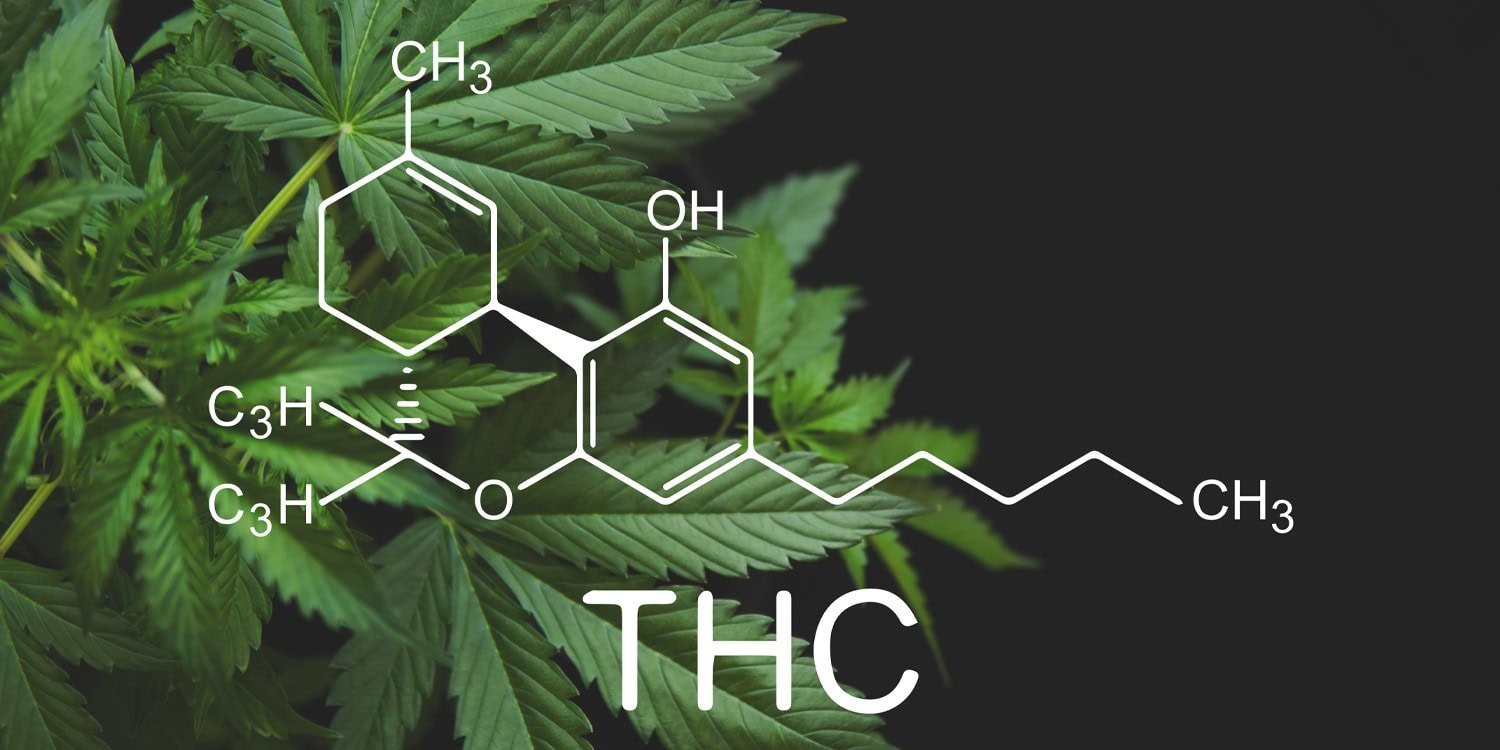
Researchers conducted a small study involving 69 rats. They gave half of the pregnant rats daily doses of tetrahydrocannabinol. Tetrahydrocannabinol, commonly known as THC, is the main psychoactive component of cannabis. The remaining pregnant rats received a nontoxic placebo solution as a control group and continued daily dosing throughout pregnancy until the birth of their offspring.
Once the rat offspring reached early adolescence, the researchers introduced them to a controlled drinking experiment. The scientists gave young rats intermittently sips from water bottles containing a 20 percent alcohol solution. Animals were given alcohol three days a week for a total of three weeks. This particular schedule mimics the pattern of the beginning and end of a teenage binge.
The research team monitored exactly how much alcohol each rat chose to consume during these access periods. To understand the underlying biology, they collected brain tissue from the animals’ reward centers. The researchers took a set of tissue samples just before the rats were exposed to alcohol. They collected a second set of brain tissue at the end of the three-week binge experiment.
In the lab, researchers analyzed genetic instructions within brain samples. They primarily measured the production of messenger RNA, the molecular blueprint that tells cells which physical proteins to build. The research team traced the blueprint involved in the production of dopamine and cannabinoid receptors in cells. They also measured the cellular mechanisms that synthesize and break down endocannabinoid chemicals in the brain.
The behavioral results revealed clear differences between men and women. Offspring of females exposed to THC prenatally consumed more alcohol than control females who were not exposed from the first opportunity. Their alcohol intake remained consistently high and stable throughout the three weeks of the study. Overall, exposed women consistently consumed more alcohol relative to their body weight than men.
Male offspring that received exactly the same prenatal exposure had the opposite initial response to alcohol. During the first two weeks of the experiment, these exposed males actively avoided alcohol bottles. They drank much less of the solution than unexposed male controls. However, by the third week, this hesitation faded, and the exposed men’s consumption rapidly escalated.
Genetic analysis of brain tissue has helped explain these different behaviors. Even before alcohol was introduced into the environment, physical differences were already visible in the brains of exposed women. Genetic testing showed increased density of dopamine receptors, along with increased levels of enzymes needed to build natural endocannabinoids. This special configuration made their brain cells more responsive to new and challenging stimuli.
Typically, specific neurons in the reward center act as behavioral brakes, encouraging animals to avoid unknown experiences. This internal brake is released when dopamine receptors are abundant and endocannabinoids suppress incoming sensory signals. The exposed female rat’s biological setting served as a green light for completion behavior. This shifted their natural baseline toward approaching alcohol rather than avoiding it.
The biological starting points of prenatally exposed male rats were very different. Before exposure to alcohol, men’s brains had an increased number of cannabinoid receptors and decreased enzymes involved in the synthesis of natural endocannabinoids. This particular molecular arrangement typically strengthens the brain’s natural protective neural pathways. The increase in defense signals perfectly coincided with the initial rejection response to the alcohol bottle during the first two weeks of testing.
Three weeks of binge drinking caused physical changes in the brains of both male and female rats. After long-term alcohol exposure, all animals had a sharp decrease in the number of cannabinoid receptors in their reward centers. At exactly the same time, the cellular machinery necessary to synthesize other natural endocannabinoids became highly active.
Alcohol is known to force changes in brain chemistry, artificially increasing natural cannabinoid production and depleting cellular receptors over time. This ongoing chemical adaptation slowly dissolves the brain’s initial avoidance signals. In male rats, this biological change helps explain why their initial hesitation won out. Their escape routes were chemically eroded, ultimately driving them into escalating binge drinking by the end of the trial.
These biological insights are detailed but entirely dependent on animal models. Rat brain development does not fully reflect the evolution of the human brain or the various social pressures surrounding teenage drug and alcohol use. The researchers note that biological sex plays a central role in material vulnerability, likely influenced by differences in hormone levels and inherited genetic sequences. Future research is needed to determine exactly how long these brain changes persist into adulthood.
Ultimately, researchers hope to determine whether certain treatments can reverse these molecular changes in the brain’s reward centers. Understanding the precise relationship between prenatal exposure and teenage behavior could open the door to targeted prevention strategies. Until then, the scientific community continues to study how exposure to chemicals in the womb leaves a lasting physical imprint on the developing brain.
The study, “Prenatal THC exposure and binge-like alcohol consumption in early adolescence: from gender-specific drinking vulnerabilities to abnormalities in the endocannabinoid-dopamine relationship in the nucleus accumbens,” was authored by Valentina Castelli, Giuseppe Tringali, Martina Di Bartolomeo, Gianluca Lavanco, Claudio D’Addario, Petr Palivec, Martin Kuchar, and Carla. Cannizzaro and Anna Brancato.
