


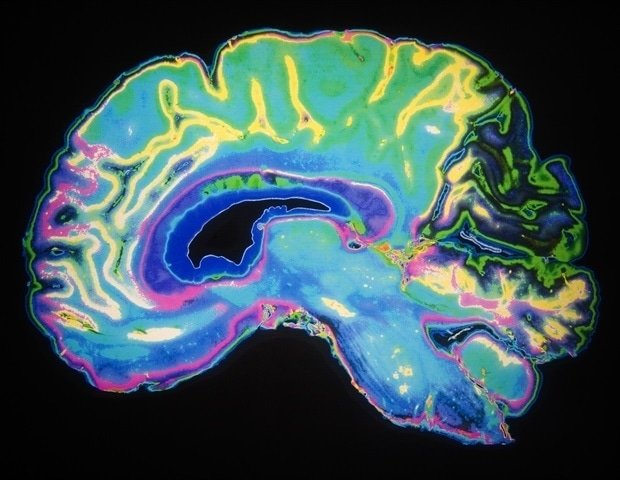
Many neurological diseases cause damage to specific parts of the brain, even though the harmful proteins involved are present throughout the brain. Researchers from the Texas Children’s Duncan Neurological Institute (Duncan NRI) and Baylor College of Medicine genes and development New evidence explaining these differences in brain tissue vulnerability.
Using an animal model of human spinocerebellar ataxia type 1 (SCA1), the research team showed that different forms and levels of partner proteins involved in the disease can lead to different molecular interactions and biological outcomes in different tissues. The findings may have application to other conditions, suggesting that targeting treatments to specific forms of the protein may improve treatment.
“SCA1 is a rare neurodegenerative disease characterized by progressive loss of coordination (ataxia), slurred speech, and difficulty swallowing, resulting from damage to the cerebellum, a brain region that controls coordination and balance,” said corresponding author Dr. Huda Zoghbi, founding director of Duncan NRI, Distinguished Professor at Baylor College of Medicine, and Howard Hughes Medical Institute Investigator.
Mutations in the ATAXIN-1 (ATXN1) gene cause SCA1. This mutation produces a defective protein that becomes overactive and accumulates inside the cell, damaging it. Although the human ATXN1 gene is expressed in many brain regions and other parts of the body, such as the heart and liver, the cerebellum and brainstem are most vulnerable to the harmful effects of defective ATXN1 protein.
Multiple laboratory studies have shown that Capicua (CIC) is an important partner of ATXN1, and in this new study, researchers finally provided an explanation for why CIC, which, like ATXN1, is expressed throughout the brain, causes toxicity in the cerebellum, while other tissues are unaffected in SCA1. To answer this question, the authors went back to basics. They decided to understand the biology of these proteins and the effects of their loss.
“Interestingly, ATXN1 deficiency does not cause ataxia, but it does cause learning and memory impairments. Also, Atxn1 knockout in mice increases amyloid beta production, all of which are associated with Alzheimer’s disease, and affect the cortex and hippocampus rather than the cerebellum,” said first author Hamin Li, a graduate student in Zoghbi’s lab.
In addition to ATXN1, the body produces a similar protein called ataxin 1-like (ATXN1L). Removing ATXN1L in animal models caused yet another set of abnormalities, including lung defects, perinatal mortality, neonatal death shortly after birth, and hydrocephalus, an abnormal accumulation of cerebrospinal fluid in the brain cavity that can cause brain damage.
Loss of ATXN1 and ATXN1L affects different tissues, suggesting that they interact with different proteins. However, previous research had shown that they both bind to and stabilize the same protein, CIC, throughout the body. How do these two similar proteins, both associated with CIC, produce different outcomes?
We knew that CIC existed in two forms: CIC-Long (CIC-L) and CIC-Short (CIC-S). Both ATXN1 and ATXN1L bind to the same section of both CICs. CIC-L and CIC-S differ at one end of the protein, suggesting that the two forms play different biological roles. ”
Hamin Lee, first author
The researchers investigated the role of the two CICs by genetically engineering mice to lack only one type at a time. They found a noticeable difference.
On the other hand, many mice without CIC-S died early and had developmental problems, especially in the lungs. Some mice had fluid buildup in their brains, showed poor growth over time, and eventually died. Mice without CIC-L, on the other hand, survived but developed behavioral problems, learning and memory difficulties, movement disorders, and hyperactivity. “These findings showed that the two forms of CIC are not interchangeable and each has its own essential functions,” Lee said.
Given that similar symptoms were observed in mice lacking CIC-S and ATXN1L, as well as mice lacking CIC-L and ATXN1, the research team took a closer look at the interaction of the two CICs with ATXN1 and ATXN1L. They found that the pairing was specific. CIC-L prefers binding to ATXN1, and CIC-S prefers binding to ATXN1L. Loss of ATXN1 further affects the stability of CIC-L proteins, which may underlie their similar disease properties.
Additionally, levels of these proteins vary depending on brain region and developmental stage. For example, the cerebellum has the highest levels of CIC and may be particularly vulnerable to excess ATXN1, and during lung development ATXN1L is highest and is also accompanied by high levels of CIC-S. “This means that if certain protein partnerships are disrupted, certain regions become more vulnerable,” Lee said.
“Our findings show that subtle differences in the relative abundance of CICs and ATXN1 formed at the protein level, together with the different complexes they assemble, may result in highly specialized functions and dictate local vulnerability,” Professor Zoghbi said. “Our research reveals an improved understanding of neurological diseases and offers new possibilities to more effectively understand and treat these diseases.”
Esmeralda Villavicencio Gonzalez, Elias M. Rivera, Mark A. Durham, Ronald Richman, Elizabeth H.-Y. Google Scholar Crossref , CAS 37. Chu, Kailey Xia, Hu Chen, Zhandong Liu, Surabi Veeraragavan, and Binoy Shivanna, all from Baylor College of Medicine and/or Texas Children’s Hospital.
This research was funded by the National Institute on Aging (F31 AG077918), the Cockrell Family Foundation, the National Institute of Neurological Disorders and Stroke (R01 NS027699), the Freedom Together Foundation (MR-2023-4260), the Howard Hughes Medical Institute, the National Heart, Lung, and Blood Institute (R01 HL181470), the Chao Foundation, and Huffington. Foundation, National Institutes of Health Cancer Center (P30 CA125123), Cancer Biology Research (1R50CA283804), and Eunice Kennedy Shriver National Institute of Child Health and Human Development Center for Intellectual and Developmental Disabilities Research (P50HD103555).
sauce:
Texas Children’s Hospital
