


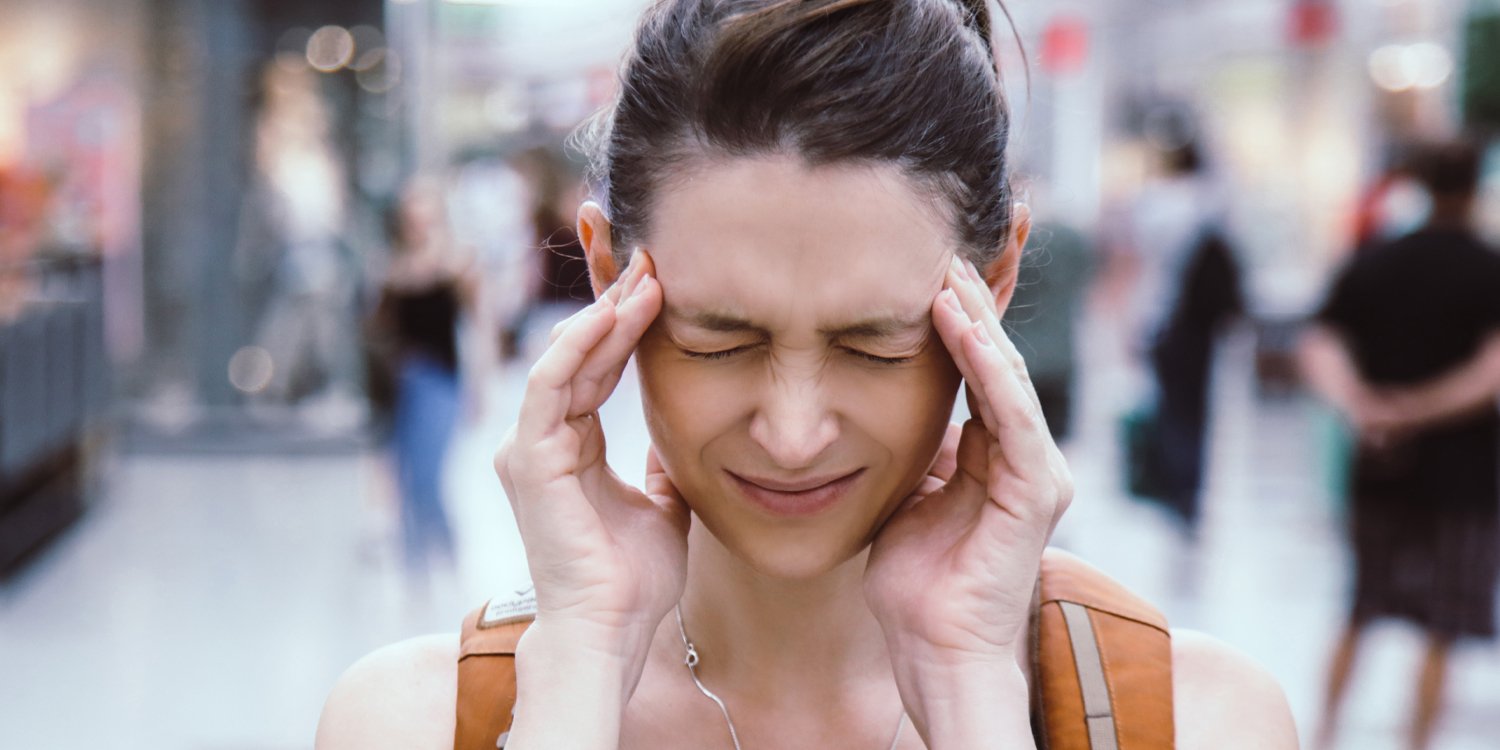
People who describe themselves as highly sensitive do not objectively have the most acute senses of hearing, sight, smell, or other senses, according to a new study published in . Journal of Personality Research. Rather, this study suggests that sensory processing sensitivity reflects how a person experiences and interprets sensory information, rather than having abnormally sensitive sensory organs.
Sensory processing hypersensitivity (SPS) is a personality trait that has received increasing attention over the past two decades. People high in SPS often report being aware of subtle details, feeling overwhelmed by busy environments, and reacting strongly to emotional or sensory experiences. These characteristics have led many to believe that highly sensitive people may actually perceive sights, sounds, and smells to a lesser extent than others. However, surprisingly few studies have tested this idea using objective laboratory measurements.
To address this gap in the literature, a research team led by Daniel A. Gubler at the University of Bern in Switzerland recruited 150 women. The average age of the participants was approximately 23 years. The researchers focused only on female participants to reduce the impact of gender-related errors on ratings.
Participants completed two widely used questionnaires measuring sensory processing sensitivity, along with personality measures assessing extraversion and neuroticism. They then underwent a series of extensive clinical tests that measured both detection and pain thresholds across multiple sensory systems, including hearing, vision, temperature, smell, and balance. Detection threshold measures the minimum intensity required for a person to notice a stimulus, and pain threshold measures the point at which a stimulus becomes unpleasant or painful. Participants also rated how sensitive they believed they were in each of these sensory areas.
This result called into question one of the central assumptions about sensory processing sensitivity. Across a variety of clinical tests, those who scored high on the SPS questionnaire did not consistently detect weaker sensory signals or have lower objective pain thresholds than those with lower SPS scores. The researchers also found little evidence that sensory abilities across the different senses reflected one common underlying property.
Instead, the strongest patterns emerged from participants’ own perceptions. People with high SPS scores consistently describe themselves as more sensitive, especially when assessing their response to pain.
But when researchers took other personality traits into account, a key part of this finding changed. Many of the associations between SPS and subjective sensitivity were significantly weakened after accounting for neuroticism (the tendency to experience negative emotions such as worry, anxiety, and emotional instability) and extraversion. This suggests that some of the self-reported “sensitivity” captured by existing SPS questionnaires may actually reflect broader emotional tendencies, particularly neuroticism, rather than heightened specific sensory abilities.
The authors clearly summarized their central findings: “Our findings suggest that SPS is not characterized by increased sensory acuity, but rather by the subjective experience and evaluation of sensory input.”
Of note, this study has several limitations. Participants were only female and most were young, so the findings may not apply to men or older adults. Clinical tests focus on basic sensory thresholds and may not capture the complex situations encountered in daily life. Finally, because this study measured participants only once, it is not possible to determine whether sensory processing sensitivity changes over time.
The study, “Sensory Processing Sensitivity (SPS) is not a sensory ability: Examining the relationship between SPS and objectively and subjectively measured sensory sensitivity,” was authored by Daniel A. Gubler, Matthias Ertl, Tobias Janert, Marcus Roth, and Stefan J. Trosch.
