


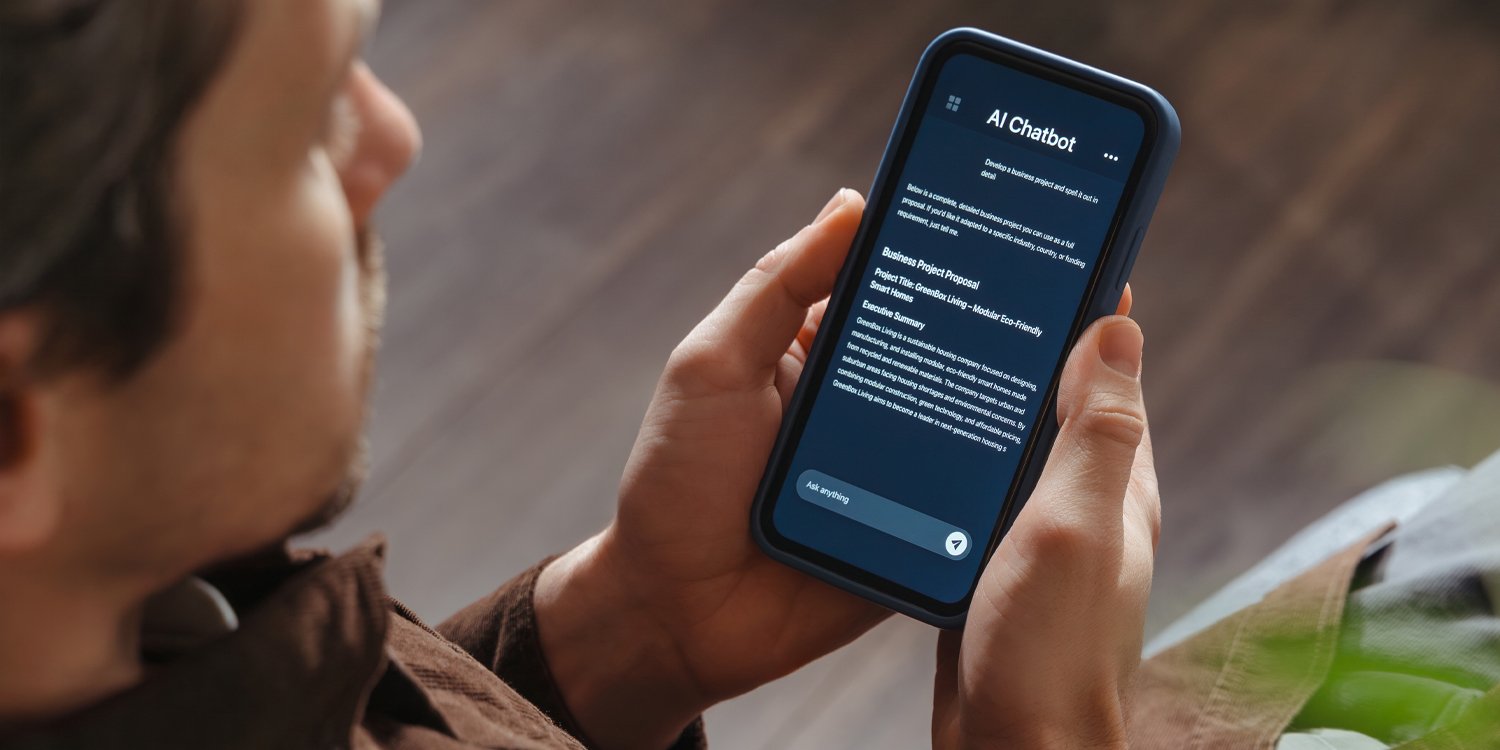
The increasing integration of artificial intelligence chatbots into daily life suggests the need to investigate how these tools impact vulnerable populations. Recent articles published in Journal of Psychopathology and Clinical Sciences provides evidence that the unsupervised use of conversational artificial intelligence can unintentionally worsen rather than alleviate certain mental health symptoms. This paper argues that these readily available systems can reinforce unhelpful psychological habits if technology developers and medical professionals do not take appropriate safeguards.
Millions of people are now using artificial intelligence (AI) systems to seek advice, answer questions, and find emotional support. These programs produce texts that are very human and relatable, making them very popular for everyday dilemmas. Clinical psychologist Javad Abbasi Johndani, who earned his doctorate in psychology from Isfahan University in Iran, noticed a gap in society’s view of these digital companions. He observed that the majority of people diagnosed with mental health conditions reported using chatbots for psychological support.
“Recently, I have frequently seen people on social media saying they are using AI chatbots to solve personal problems and improve their mental health,” Abbasi Johndani said. He decided to investigate this phenomenon because nearly 70% of conversations with these systems revolve around personal matters rather than work. “As a clinical psychologist, this trend raised an important question for me: Could there also be unintended downsides to relying on AI for psychological support?” he said.
To better understand the user experience, researchers tested various systems themselves. “To explore this, I spent time interacting with an AI chatbot from the perspective of individuals experiencing various psychological difficulties,” said Abbasi Johndani. “These interactions reinforced my concerns about some potential risks and ultimately led to the development of the ideas presented in this article.”
Many of these individuals use these tools without the guidance of a doctor or therapist. In structured clinical settings, digital mental health tools show great potential in improving care and reaching underserved groups. The unchecked use of generic programs by people experiencing severe distress presents unique and poorly understood risks.
“We hope readers will have a more balanced view of AI chatbots,” Abbasi Johndani said. “These technologies are very helpful, but they are not psychologically neutral.” He suggested that certain design features of modern chatbots may not interact well with common psychiatric challenges. The system is programmed to be consistently comfortable, endlessly available, and highly engaging.
For those struggling with mental health, these very characteristics can contribute to a negative behavioral cycle that keeps them stuck in their illness. One of the major concerns outlined in this paper is the delay in seeking professional medical help. Chatbots are free, strictly anonymous, and available 24 hours a day. This creates the illusion that there is adequate support for individuals who may feel ashamed, stigmatized, or afraid to see a human therapist.
This technology tends to foster avoidance by providing immediate but superficial comfort. Users may reduce visits to human specialists or not start treatment at all. This delay often results in mental health conditions becoming more severe and difficult to treat over time, while the root causes of psychological distress remain unaddressed.
This article also highlights the risks of seeking too much reassurance. This is a common behavioral pattern in conditions such as obsessive-compulsive disorder (OCD) and severe anxiety. People with these symptoms often feel a strong need for others to confirm that they are safe, normal, or healthy to temporarily relieve their panic.
Relationships naturally limit this behavior, as friends and family eventually get irritated or set clear boundaries. Chatbots are designed to never tire of answering the same questions and provide unconditional support. This never-ending supply of validation can trap users in a loop of anxiety and compulsive confirmation, acting as negative reinforcement that further strengthens the original fear.
Social withdrawal is another unintended consequence of the heavy use of chatbots. People who experience social anxiety, feelings of loneliness, or low self-esteem may find real-life relationships scary and unpredictable. In contrast, artificial intelligence provides a highly personalized, low-risk social outlet where users can maintain complete control.
Users can customize their interactions to avoid being rejected, judged, or misunderstood by their digital companion. We suggest that relying on this safe alternative may cause people to stop trying to navigate real-world relationships. Escaping into digital friendships can deepen isolation, reduce real-world social skills, and tend to worsen depression and loneliness in the long term.
Perhaps the most alarming risks include distorted thinking and perception, a phenomenon also known as AI psychosis. People experiencing delusions, magical thinking, and paranoia may ask chatbots to interpret their unusual beliefs. Delusions are strongly held false beliefs, and people who suffer from delusions often have a hard time validating reality.
Most conversation programs are built to follow user prompts, avoid confrontation, and maintain smooth interactions. This design feature is known as “snobbery.” When an individual expresses a paranoid idea, the program may agree with that idea or justify its distorted reality.
Because the software cannot see physical cues or recognize a mental illness crisis, it does not provide corrective feedback to help ground the person in reality. Without a human therapist to challenge distorted thinking, users may leave digital conversations feeling like their delusions are completely real and justified.
The paper points to reduced autonomy as a final concern. Many people struggle with indecision and intolerance of uncertainty, and rely heavily on others to control their emotions. This dependence is a common feature of many anxiety and personality disorders.
Chatbots provide fast, structured, and confident answers to complex life problems. Just as relying on navigation apps impairs our natural sense of direction, continuing to rely on computer programs to make difficult decisions tends to make us less confident in our own judgement. Over time, this habit can rob users of their autonomy and basic problem-solving skills.
It is important to note that the authors are not suggesting that all artificial intelligence is inherently dangerous or has no therapeutic value. This document focuses specifically on unsupervised general-purpose tools, rather than programs specifically designed and tested for medical use. “The insights discussed in this article do not mean that people should avoid or fear AI,” Abbasi Johndani said.
“My goal is not to discourage its use, but to encourage its responsible use,” he added. He emphasized that these technologies can be adapted to maximize their benefits. “With increased awareness, continued research, and thoughtful safety measures, AI chatbots have the potential to remain a valuable tool while reducing the potential for unintended psychological harm,” he said.
Much of the current evidence relies on case reports and early research data rather than long-term clinical trials. Future research should track how continued chatbot engagement changes specific psychiatric symptoms over time. Scientists also need to conduct qualitative research to better understand how users view digital companions. Collecting this data helps experts design effective safeguards that balance high levels of user engagement with basic user safety.
“This article is intended as a starting point, not a conclusion,” Abbasi Johndani said. “My next goal is to move from theory to evidence by empirically testing whether and under what circumstances AI chatbot interactions can enhance psychiatric symptoms or impede recovery.” He plans to focus on specific user populations and habits. “I am particularly interested in identifying which individuals are most vulnerable and which AI usage patterns carry the greatest risk,” he said.
Technology companies face a structural tension between maximizing the time users spend on their platforms and protecting vulnerable individuals. To address this, Abbasi Johndani recommends that software developers implement built-in safety features into their platforms. The program could detect recurring questions about mental health and gently suggest relationships or professional medical resources.
These digital platforms also allow you to impose soft time limits to prevent endless scrolling and persistent questions. Clinicians should also regularly ask patients about their digital habits during therapy sessions. This ensures that technology supports rather than undermines patients’ recovery processes and opens up conversations about hidden barriers to treatment.
The study, “Understanding or Undermining? When Artificial Intelligence Chatbots Silently Reinforce Psychiatric Symptoms,” was authored by Javad Abbasi Jondani.
