


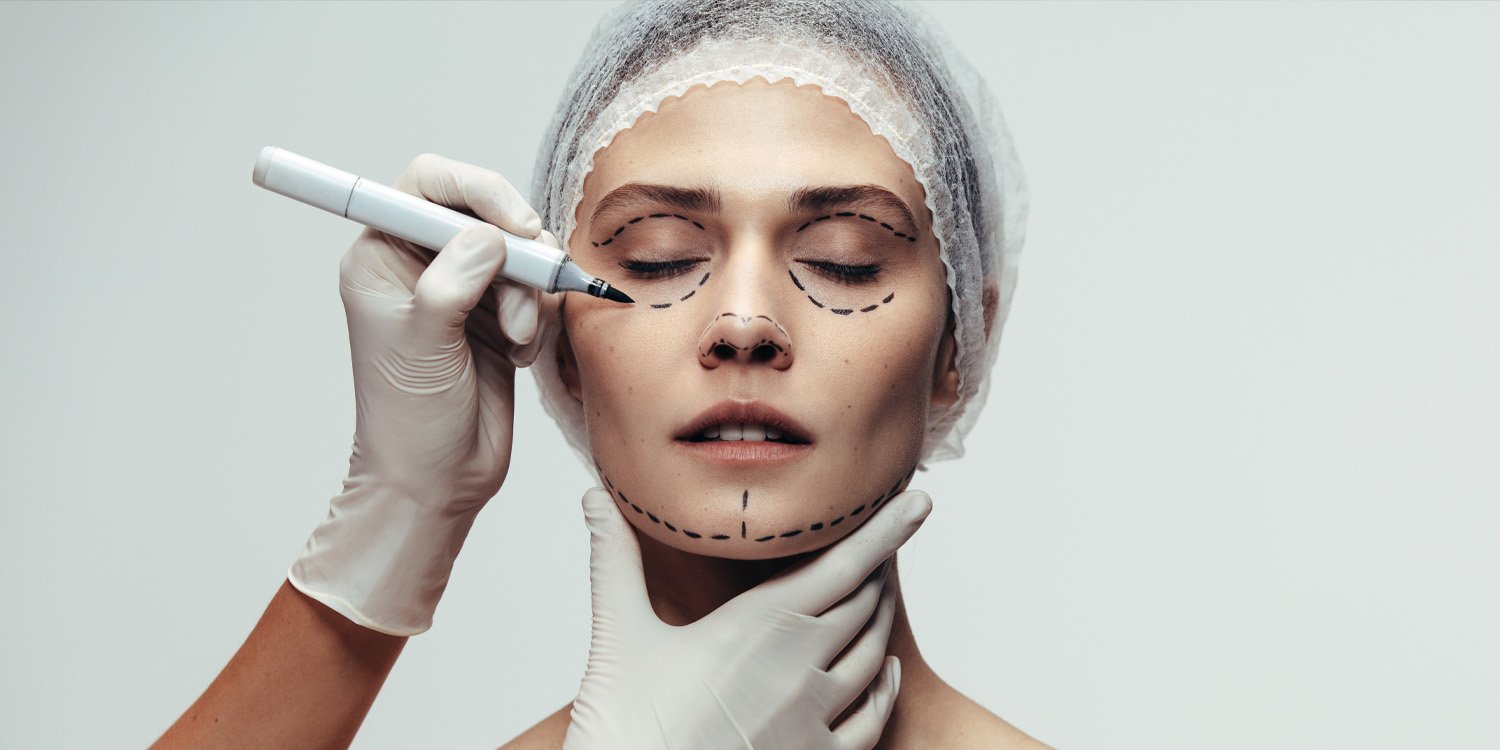
Recent research published in Journal of Health Psychology This suggests that repeated cosmetic surgery may lead to addiction-like characteristics in a significant proportion of women. The findings provide evidence that low body self-esteem and problematic social media habits are strongly associated with this compulsive behavior. These insights help explain how digital environments and personal anxieties interact to prompt repeated aesthetic treatments.
The research team included Bela Skvirsky, Uri Rivshin, Dvora Shmulewitz and Mario Mikulincer from the Hebrew University of Jerusalem and the Israel Center for Addiction and Mental Health. They sought to understand the psychological mechanisms associated with repeated cosmetic interventions.
Cosmetic procedures are selective interventions aimed at changing a person’s appearance. This includes surgical procedures such as liposuction as well as non-surgical treatments such as Botox injections. Between 2019 and 2023, the use of these procedures increased by approximately 40% globally.
With this rapid growth, mental health professionals are beginning to notice behavioral patterns that resemble addiction. Addiction is typically defined as a compulsive urge to engage in rewarding behavior despite experiencing negative consequences. Behavioral addictions share many psychological mechanisms with traditional drug abuse, such as craving, addictive behavior, and loss of self-control.
The authors wanted to assess how prevalent this addictive beauty behavior is in the general population. They also aimed to identify specific personality and behavioral factors that may put individuals at higher risk. They specifically focused on the potential impact of problematic social media use and body self-esteem, which is an individual’s overall satisfaction with their own appearance.
Social media platforms rely heavily on visual content and interactive features such as comments and likes. Previous research tends to show that frequent use of these platforms can have a negative impact on how people view their bodies. The researchers hypothesized that this combination of digital pressure and body dissatisfaction may make some people more susceptible to repeated beauty treatments.
To investigate these relationships, scientists collected a sample of 1,614 Israeli Jewish women. Participants ranged in age from 25 to 71 years old. This sample was specifically created to match the broad adult female Jewish population in Israel in terms of age and religious observance.
Data were collected through an online survey platform in February 2025. Participants answered a variety of questions regarding demographic background, religious affiliation, and history of cosmetic procedures. Of the total sample, 710 women reported having undergone at least one cosmetic procedure in the past.
Researchers adapted a psychological assessment originally designed to diagnose substance use disorders to measure addictive beauty behaviors. The survey asked participants whether they had ever tried unsuccessfully to quit surgery or felt compulsive to continue despite negative physical or psychological consequences. Women who had previously undergone surgery answered these questions based on their previous experience and their experiences over the past year.
All participants also completed a series of psychological questionnaires. These tools measured overall self-esteem, which is an individual’s overall sense of self-worth. They also measured attachment security, a psychological concept that describes how confident a person is in receiving support from loved ones when needed.
Other surveys assessed attitudes toward aging and feminist beliefs, specifically measuring rejection of traditional, passive gender roles. Finally, the authors used a recognized assessment tool to assess problematic social media behavior over the past 12 months. This tool measures habits such as feeling the urge to constantly log on or feeling distressed when your connection drops.
Data analysis revealed that addiction-like behaviors associated with cosmetic treatments are relatively common. Of the 710 women who had previously undergone cosmetic surgery, 20% met the lifetime risk threshold for moderate to severe addiction. Additionally, 15.4% reported experiencing these moderate to severe symptoms within the past year alone.
Looking at the entire sample of 1,614 women, nearly 9% showed signs of moderate to severe risk over their lifetime. About 7% showed these signs in the past year. Interestingly, the researchers found that these risk levels did not differ significantly between different age groups or education levels.
Religious affiliation showed statistical associations with outcomes for the entire sample. Women who identified as traditional reported higher risk scores for addictive behaviors than women who identified as secular. Both of these groups scored higher than women who identified as religious or ultra-Orthodox.
The statistical model highlighted three specific variables with unique associations with addictive cosmetic behaviors. Lower body self-esteem, higher levels of problematic social media use, and weaker feminist attitudes were all associated with higher addiction risk scores. When all factors were analyzed together, overall self-esteem, attachment security, and negative views about aging showed no unique statistical associations.
Scientists also found a significant interaction between social media habits and body image. For women who reported high levels of problematic social media use, low body self-esteem was strongly associated with a higher risk of addictive beauty behaviors. This association was absent for women who used social media less obsessively, suggesting that digital habits may amplify the negative effects of poor body image.
Readers should note that this study relied on cross-sectional data, meaning that all information was collected at a single point in time. This design makes it impossible to prove cause and effect. It is still unclear whether problematic social media use directly causes an increase in addictive beauty behaviors, or whether underlying psychological issues cause both habits simultaneously.
Another limitation is that this study relies on a specific demographic group. The sample included only Jewish Israeli women who actively participated in the online survey panel. These participants may have higher average internet usage than the general population, which may further enhance the observed association between digital habits and cosmetic procedures.
The researchers relied entirely on self-report questionnaires to measure the level of addiction. These self-evaluations can be influenced by personal biases and misremembering. Future studies may incorporate more objective measures, such as tracking actual financial expenditures for surgery or conducting formal clinical interviews to assess psychological distress.
Future research should expand to include men, transgender, and non-binary individuals to see if these patterns hold across different gender identities. Examining specific mental illnesses, such as body dysmorphic disorder, will also lead to a deeper understanding of the mental health factors involved. Body dysmorphic disorder is a mental health condition in which people spend much of their time worrying about flaws in their appearance that are often unnoticed by others.
Researching specific types of beauty treatments can provide more insight. The current study did not distinguish between major invasive surgery and minor non-invasive treatments. Distinguishing between single surgical procedures and repeated minor treatments may help clarify the precise nature of this new behavioral addiction.
The study, “Prevalence and risk factors for chronic use of cosmetic procedures among Israeli women,” was authored by Vera Skvirsky, Uri Lifshin, Dvora Shmulewitz, and Mario Mitokulincer.
