


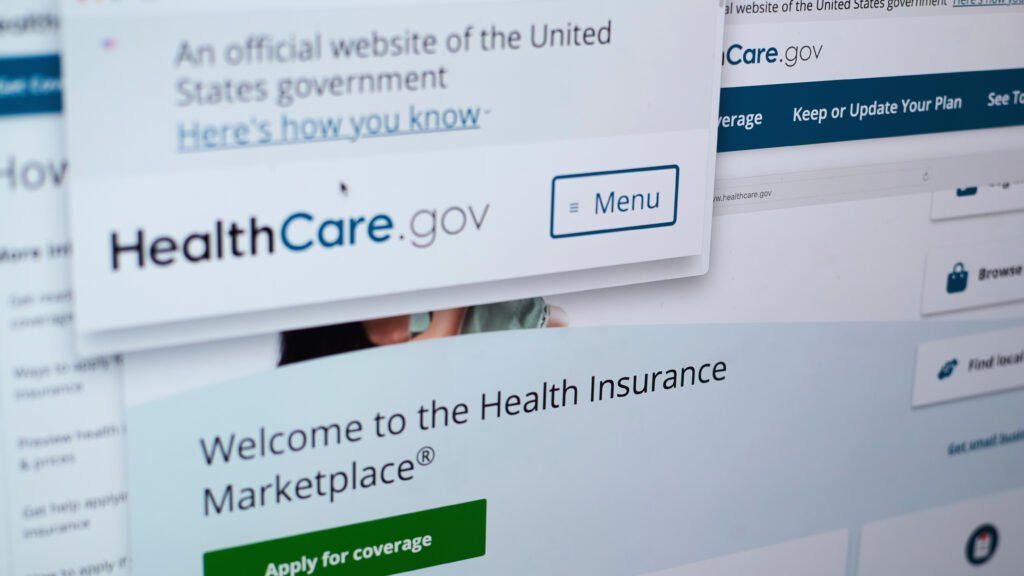
Insurers are seeking a median rate increase of 14% in 2027 in preliminary filings with state regulators, according to a Peterson-KFF Health System Tracker analysis of filings in 16 states and the District of Columbia.
If ultimately approved, this rate would be the second-highest increase since 2018.
Cynthia Cox, KFF’s senior vice president and ACA program director, said this would be a “triple whammy” for consumers. Consumers already have to pay higher premiums in 2026, and a more generous tax credit meant to offset premiums expires at the end of last year.
President Joe Biden sought to strengthen the program known as Obamacare by enacting more generous tax subsidies, reducing consumers’ out-of-pocket costs and increasing the number of Americans enrolled in the program to more than 20 million Americans. But under President Donald Trump, Republicans have sought to roll back taxpayer support for the ACA, allowing subsidies strengthened during the Biden administration to expire.

How America’s employer-based health care system continues to collapse in slow motion
As of February, ACA enrollment was down about 3 million compared to the same time last year. Cox and other policy experts say the plan’s increased costs drive out people who think they can get by without insurance, but the Trump administration claims much of the enrollment growth under Biden was fraudulent.
As in previous years, the main factors driving proposed premium increases in 2027 are increases in health care costs and health care utilization.
The Peterson-KFF report notes that there is a growing demand for expensive specialty drugs and a weight-loss drug known as GLP-1.
However, the report also said that about 4 percentage points of insurers’ proposed premium increases were due to the permanent impact of expiring subsidy enhancements. Insurers expect that as younger, healthier people leave the program rather than pay higher premiums, the customers who remain will be older and sicker, and therefore have higher premiums on average.
“People who dropped their insurance were also likely to be healthier people, because sicker people would probably stretch their budget to maintain health insurance and try to make it work as best they could,” said Cox of KFF, a health information nonprofit that includes KFF Health News.
Some insurers said in their premium filings that they had to raise premiums in part because of policy changes by the Trump administration that are expected to make it harder for some people to enroll.
Insurer UnitedHealthcare wrote in its rate filing with New York state that the new rules, along with the expiration of larger subsidies, “account for 12.7% of the requested rate changes,” according to the Peterson KFF report.
“It is not surprising that the insurance conglomerates that made huge profits from fraud during the Biden administration would complain about efforts to clean up the program,” White House Press Secretary Khush Desai said in a statement. He also said his administration will “make clear that it will not follow its predecessor in providing tax-funded subsidies to big insurance companies in the form of fraudulent and corrupt law enforcement” and will “hold big insurance companies accountable.”
Another factor in rising premiums, cited by several insurance companies, is that claims filed on behalf of patients tend to require more intensive and expensive levels of treatment than in the past. This increase in severity could actually be because patients are getting worse, or it could reflect hospitals and doctors using artificial intelligence to find billing codes that can maximize payments, the report said.
The use of AI to maximize claims is also driving up the cost of employer-sponsored health insurance, according to consulting firm PwC. PwC predicts that the cost of care for people with job-based insurance will rise by 9% in 2027.
Read a series that you can’t reach out of your pocket.
Under the ACA, premium increases primarily affect enrollees with incomes just above 400% of the federal poverty level, amounting to about $62,600 in personal income this year. This is because they will no longer be eligible for subsidies as the enhanced tax credits expire.
People below this level receive tax credits to help pay their monthly premiums, based on their income and the cost of a “benchmark” ACA plan in the area where they live. As a result, as premiums rise, so do subsidies, protecting many consumers from higher prices, but also raising costs for the federal government.
However, when applications for insurance for 2027 begin in October, you may need to consider various things. Depending on the premiums of a particular plan, you may need to switch plans to lock in your premiums, said Matthew Fiedler, a senior fellow at the Brookings Institution.
KFF Health News senior correspondent Julie Appleby contributed to this report.
Are you struggling to pay for your health insurance? Have you decided to give up on coverage? Click here to contact KFF Health News and share your story.
KFF Health News is a national newsroom that produces in-depth journalism on health issues and is one of KFF’s core operating programs and an independent source of health policy research, polling and journalism. Click here for more information about KFF.
This article was first published in KFF Health News and is republished here under the Creative Commons Attribution-NonCommercial-NoDerivatives 4.0 International License.
