

Close Menu

    Subscribe to Updates

    Get the latest creative news from FooBar about art, design and business.

    What's Hot

    Why Traditional Clinical Trial Methods Are Failing Researchers in 2026

    August 20, 2026

    Confronting Population Health Trends and the Threat of Reversed Gains

    August 19, 2026

    Navigating 2026 Clinical Trial Uncertainty: What Researchers Must Prioritize Now

    August 18, 2026
    Facebook X (Twitter) Instagram
    Facebook X (Twitter) Instagram
    Health Magazine
    • Home
    • Environmental Health
    • Health Technology
    • Medical Research
    • Mental Health
    • Nutrition Science
    • Pharma
    • Public Health
    • Discover
      • Daily Health Tips
      • Financial Health & Stability
      • Holistic Health & Wellness
      • Mental Health
      • Nutrition & Dietary Trends
      • Professional & Personal Growth
    • Our Mission
    Health Magazine
    Home » News » Overlooked parasitic diseases linked to HIV and cervical cancer risk
    Discover

    Overlooked parasitic diseases linked to HIV and cervical cancer risk

    healthadminBy healthadminJuly 3, 2026No Comments3 Mins Read
    Overlooked parasitic diseases linked to HIV and cervical cancer risk
    Share
    Facebook Twitter Reddit Telegram Pinterest Email


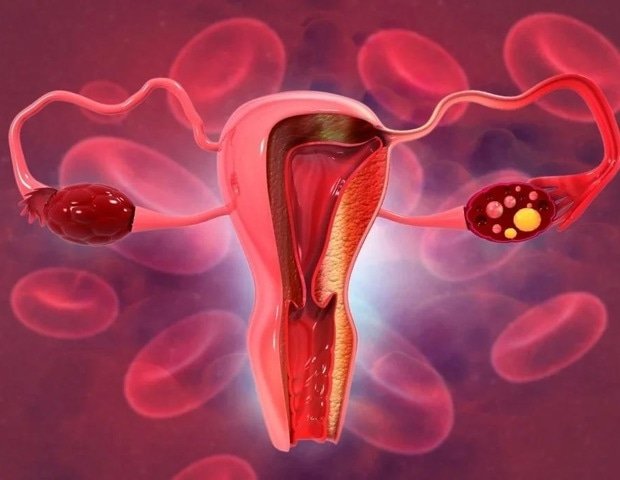
    New research from the Liverpool School of Tropical Medicine (LSTM) has highlighted the need to test millions of women and girls for female genital schistosomiasis (FGS), a neglected disease that can increase the risk of chronic disease, HIV and cervical cancer.

    In a new paper published in The Lancet Microbe, researchers from LSTM, the Malawi-Liverpool Welcome Program (MLW) and the London School of Hygiene and Tropical Medicine (LSHTM) call for the urgent integration of FGS into sexual and reproductive health services to improve diagnosis and treatment.

    FGS is caused by infection with the parasite Schistosoma hematobum and is transmitted by contact with infected freshwater. Parasite eggs become trapped in reproductive tissue, causing inflammation, lesions, and scarring. The disease affects at least 40 million women worldwide, primarily in sub-Saharan Africa, but reproductive health services remain largely unreachable.

    This study investigated how FGS interacts with other gynecological infections and found evidence that chronic inflammation and tissue damage caused by the disease may increase vulnerability to infections such as HIV and human papillomavirus (HPV), the leading causes of cervical cancer.

    Researchers claim that incorporating FGS screening into existing HIV, cervical cancer, and sexual health programs could improve diagnosis and care for millions of women. Proposed approaches include combining HPV and FGS testing from a single genital sample, improving training of health care workers, and using new molecular and AI-assisted diagnostic tools.

    Professor Amaya Bastinduy, Professor of Global Pediatric and Adolescent Infectious Diseases at LSHTM and lead author of the paper, said: “Female genital schistosomiasis is one of the most neglected gynecological diseases affecting women and girls in Africa. Despite the scale of the problem, it remains routinely ignored in neglected tropical diseases programs and broader reproductive health services.”

    This paper is based on the results of a hybridization study in urogenital schistosomiasis (HUGS) in Malawi, which identified high levels of co-infection between FGS and other genital infections.

    This study also highlights the emerging role of zoonotic and hybrid schistosome species, including parasites typically associated with livestock, detected in genital samples of women with FGS. Researchers say these findings raise important questions regarding diagnosis, treatment efficacy, and disease management.

    This paper highlights the urgent need to move beyond individual disease-specific approaches to integrated care that recognizes the overlap between FGS, HIV, HPV, and other reproductive health conditions. ”

    Russell Stothard, Professor of Medical Parasitology, LSTM and study co-author

    “The emergence of zoonotic and hybrid schistosome species also reinforces the importance of a one-health approach that considers human, animal, and environmental health together.”

    The authors warn that fragmented, disease-specific programs are not helping women living in endemic areas, and say that continuing to ignore FGS risks undermining broader global health goals.

    sauce:

    Liverpool School of Tropical Medicine (LSTM)


    Source link

    Visited 9 times, 1 visit(s) today
    Share. Facebook Twitter Pinterest LinkedIn Telegram Reddit Email
    Previous ArticleVirtual reality enhanced with scent relieves negative emotions after use
    Next Article Exercise increases smoking cessation rates
    healthadmin

    Related Posts

    Texas A&M researchers build AI tool for tuberculosis drug discovery

    July 30, 2026

    New ultrasound technology breaks blood-brain barrier to treat gliomas

    July 30, 2026

    Omalizumab wins multi-allergen oral immunotherapy in multi-food allergy trial

    July 30, 2026

    MAGFLO™ NGS beads: cost-effective nucleic acid purification

    July 30, 2026

    Qureight completes $20 million Series B funding

    July 30, 2026

    Cigarette smoke extract stimulates airway cells and increases nanoplastic damage

    July 30, 2026
    Add A Comment

    Comments are closed.

    Categories

    • Daily Health Tips
    • Discover
    • Environmental Health
    • Exercise & Fitness
    • Featured
    • Featured Videos
    • Financial Health & Stability
    • Fitness
    • Fitness Updates
    • Health
    • Health Technology
    • Healthy Aging
    • Healthy Living
    • Holistic Healing
    • Holistic Health & Wellness
    • Medical Research
    • Medical Research & Insights
    • Mental Health
    • Mental Wellness
    • Natural Remedies
    • New Workouts
    • Nutrition
    • Nutrition & Dietary Trends
    • Nutrition & Superfoods
    • Nutrition Science
    • Pharma
    • Preventive Healthcare
    • Professional & Personal Growth
    • Public Health
    • Public Health & Awareness
    • Selected
    • Sleep & Recovery
    • Top Programs
    • Weight Management
    • Workouts
    Popular Posts
    • 1773313737_bacteria_-_Sebastian_Kaulitzki_46826fb7971649bfaca04a9b4cef3309-620x480.jpgHow Sino Biological ProPure™ redefines ultra-low… March 12, 2026
    • pexels-david-bartus-442116The food industry needs to act now to cut greenhouse… January 2, 2022
    • 1773729862_TagImage-3347-458389964760995353448-620x480.jpgDespite safety concerns, parents underestimate the… March 17, 2026
    • 1774403998_image_28620e4b6b0047f7ab9154b41d739db1-620x480.jpgGait pattern helps distinguish between Lewy body… March 24, 2026
    • 1773209206_futuristic_techno_design_on_background_of_supercomputer_data_center_-_Image_-_Timofeev_Vladimir_M1_4.jpegMulti-agent AI systems outperform single models… March 11, 2026
    • Leukemia-620x480.jpgBiomimetic platform powers CAR T therapy for… March 9, 2026

    Demo
    Stay In Touch
    • Facebook
    • Twitter
    • Pinterest
    • Instagram
    • YouTube
    • Vimeo
    Don't Miss

    Why Traditional Clinical Trial Methods Are Failing Researchers in 2026

    By healthadminAugust 20, 2026

    Explore why legacy clinical trial designs are falling short in 2026 and how AI, adaptive designs, and decentralized models are reshaping medical research for better outcomes.

    Confronting Population Health Trends and the Threat of Reversed Gains

    August 19, 2026

    Navigating 2026 Clinical Trial Uncertainty: What Researchers Must Prioritize Now

    August 18, 2026

    Healthcare Delivery Challenges and the Promise of Digital Health Innovations

    August 17, 2026

    Subscribe to Updates

    Get the latest creative news from SmartMag about art & design.

    HealthxMagazine
    HealthxMagazine

    At HealthX Magazine, we are dedicated to empowering entrepreneurs, doctors, chiropractors, healthcare professionals, personal trainers, executives, thought leaders, and anyone striving for optimal health.

    Our Picks

    Healthcare Delivery Challenges and the Promise of Digital Health Innovations

    August 17, 2026

    Why 2025 Dietary Guidelines Miss the Mark on Metabolic Health

    August 16, 2026

    The Telemedicine Challenge: Why Founders and Engineers Need 2026 Strategies Now

    August 15, 2026
    New Comments
      Facebook X (Twitter) Instagram Pinterest
      • Home
      • Privacy Policy
      • Our Mission
      © 2026 ThemeSphere. Designed by ThemeSphere.

      Type above and press Enter to search. Press Esc to cancel.