

Close Menu

    Subscribe to Updates

    Get the latest creative news from FooBar about art, design and business.

    What's Hot

    Key 2026 Clinical Trials in Gene Editing and Vaccines

    July 3, 2026

    Old muscle stem cells can rejuvenate and act again, but there is a catch.

    July 3, 2026

    The real cause of common strokes may have been overlooked for decades

    July 3, 2026
    Facebook X (Twitter) Instagram
    Facebook X (Twitter) Instagram
    Health Magazine
    • Home
    • Environmental Health
    • Health Technology
    • Medical Research
    • Mental Health
    • Nutrition Science
    • Pharma
    • Public Health
    • Discover
      • Daily Health Tips
      • Financial Health & Stability
      • Holistic Health & Wellness
      • Mental Health
      • Nutrition & Dietary Trends
      • Professional & Personal Growth
    • Our Mission
    Health Magazine
    Home » News » The real cause of common strokes may have been overlooked for decades
    Nutrition Science

    The real cause of common strokes may have been overlooked for decades

    healthadminBy healthadminJuly 3, 2026No Comments4 Mins Read
    The real cause of common strokes may have been overlooked for decades
    Share
    Facebook Twitter Reddit Telegram Pinterest Email


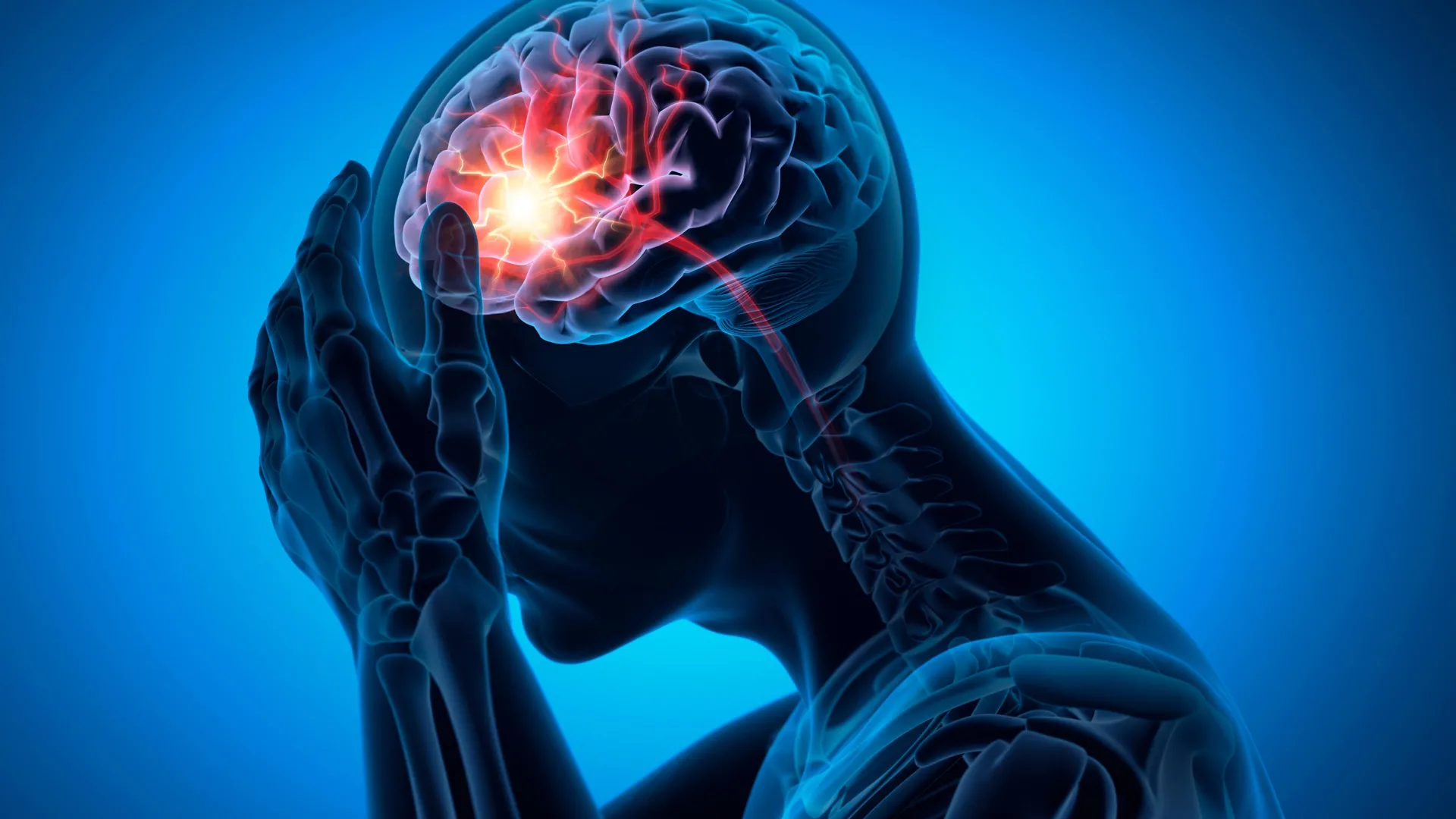
    Scientists have discovered evidence that could change the way doctors think about stroke in general and why standard preventive treatments often fail.

    A new study suggests that lacunar ischemic stroke is not primarily caused by fatty plaques that build up within the arteries, as many assume. Rather, it appears to be most closely associated with changes in the brain’s blood vessels themselves, particularly dilation and dilation of the arteries.

    The findings may help explain why commonly prescribed stroke prevention drugs, such as aspirin and other antiplatelet drugs, have limited effectiveness in preventing this type of stroke.

    Researchers say the results are already helping guide new treatment strategies, such as the LACunar Intervention Trial 3 (LACI-3), which is evaluating drugs designed to protect and support the brain’s smallest blood vessels.

    Cerebral small vessel disease and stroke risk

    Lacunar strokes occur when the smallest blood vessels in the brain are damaged by a condition known as small vessel disease. This form of stroke is a leading cause of disability and is associated with cognitive decline, dementia, and increased risk of future stroke. Despite its importance, scientists have struggled to pinpoint the cause of the disease, making it difficult to develop effective treatments.

    For the study, researchers from the University of Edinburgh, the British Dementia Research Institute, and international collaborators tested 229 people who had suffered a lacunar stroke or a mild non-lacunar stroke.

    Participants underwent clinical and cognitive assessments and underwent brain MRI scans immediately after the stroke and again one year later. Imaging allowed scientists to assess the type of stroke, monitor for signs of small vessel disease, and identify new areas of brain damage that developed over time.

    The research team compared two different blood vessel changes: fatty narrowing of large arteries and dilation and elongation of arteries in the brain.

    Dilated arteries emerge as a key clue

    Analysis showed that aortic stenosis was not associated with lacunar stroke or small vessel disease. Arterial narrowing is more common in other forms of stroke, but follow-up scans did not predict new brain damage.

    In contrast, arterial dilatation showed a strong association with lacunar stroke. Patients with dilated arteries were more than four times more likely to experience a lacunar stroke.

    Researchers also found that dilated arteries were associated with more severe small vessel disease, faster progression of brain damage, and a higher likelihood of developing new “silent” strokes (small areas of brain tissue damage caused by disruption of blood supply that can occur without obvious symptoms).

    More than one in four participants developed such a silent stroke during the study, despite receiving standard treatment aimed at preventing further strokes.

    New treatment approaches are being tested

    The findings suggest that future treatments should focus on the underlying damage affecting the brain’s small blood vessels, rather than fatty plaques in large arteries.

    Studies such as LACI-3 are currently investigating whether existing drugs such as cilostazol and isosorbide mononitrate can protect the brain, reduce the risk of further strokes, and reduce long-term problems such as memory, motor skills, and dementia after lacunar stroke.

    Joanna Wardlow, Professor of Applied Neuroimaging at the Institute of Neuroscience and Cardiovascular Diseases at the University of Edinburgh and Group Leader at the UK Dementia Research Institute, said: “This study provides strong evidence that lacunar strokes are not caused by fatty blockages in large arteries, but rather by disease in small vessels within the brain itself. It is important to recognize this distinction as it explains why traditional treatments such as antiplatelet drugs are less effective against this type of stroke.” and highlights the urgent need to develop new treatments that target the underlying microvascular damage. ”

    The study was published in the journal circulation. Funding was provided by Dementia UK (funded by Medical Research Council UK, Alzheimer’s Society, Alzheimer’s Research UK), Leduc Foundation, Stroke Association, British Heart Foundation, Scottish Government Office of the Chief Scientist, Lowe Fogo Charitable Trust, Wellcome Trust, and other national funding agencies. The research team also included scientists from China and Mexico.


    Source link

    Visited 2 times, 2 visit(s) today
    Share. Facebook Twitter Pinterest LinkedIn Telegram Reddit Email
    Previous ArticleA single dose of psilocybin changes inhibitory brain cells and reduces reward-seeking behavior.
    Next Article Old muscle stem cells can rejuvenate and act again, but there is a catch.
    healthadmin

    Related Posts

    Old muscle stem cells can rejuvenate and act again, but there is a catch.

    July 3, 2026

    Scientists reverse quantum time and achieve astonishing advances in physics

    July 3, 2026

    Strange LIGO signal could reveal missing ring behind dark matter

    July 3, 2026

    Scientists are stunned as bumblebees solve classic intelligence tests

    July 3, 2026

    Scientists discover protein switch that burns fat and blocks new fat cells

    July 3, 2026

    This spray-on powder can stop life-threatening bleeding in one second.

    July 2, 2026
    Add A Comment
    Leave A Reply Cancel Reply

    Categories

    • Daily Health Tips
    • Discover
    • Environmental Health
    • Exercise & Fitness
    • Featured
    • Featured Videos
    • Financial Health & Stability
    • Fitness
    • Fitness Updates
    • Health
    • Health Technology
    • Healthy Aging
    • Healthy Living
    • Holistic Healing
    • Holistic Health & Wellness
    • Medical Research
    • Medical Research & Insights
    • Mental Health
    • Mental Wellness
    • Natural Remedies
    • New Workouts
    • Nutrition
    • Nutrition & Dietary Trends
    • Nutrition & Superfoods
    • Nutrition Science
    • Pharma
    • Preventive Healthcare
    • Professional & Personal Growth
    • Public Health
    • Public Health & Awareness
    • Selected
    • Sleep & Recovery
    • Top Programs
    • Weight Management
    • Workouts
    Popular Posts
    • 1773313737_bacteria_-_Sebastian_Kaulitzki_46826fb7971649bfaca04a9b4cef3309-620x480.jpgHow Sino Biological ProPure™ redefines ultra-low… March 12, 2026
    • pexels-david-bartus-442116The food industry needs to act now to cut greenhouse… January 2, 2022
    • 1773729862_TagImage-3347-458389964760995353448-620x480.jpgDespite safety concerns, parents underestimate the… March 17, 2026
    • 1773209206_futuristic_techno_design_on_background_of_supercomputer_data_center_-_Image_-_Timofeev_Vladimir_M1_4.jpegMulti-agent AI systems outperform single models… March 11, 2026
    • 1774403998_image_28620e4b6b0047f7ab9154b41d739db1-620x480.jpgGait pattern helps distinguish between Lewy body… March 24, 2026
    • Leukemia-620x480.jpgBiomimetic platform powers CAR T therapy for… March 9, 2026

    Demo
    Stay In Touch
    • Facebook
    • Twitter
    • Pinterest
    • Instagram
    • YouTube
    • Vimeo
    Don't Miss

    Key 2026 Clinical Trials in Gene Editing and Vaccines

    By healthadminJuly 3, 2026

    An in-depth look at eleven pivotal clinical trials for 2026, covering gene editing, vaccines, AI integration, and platform trial methodologies.

    Old muscle stem cells can rejuvenate and act again, but there is a catch.

    July 3, 2026

    The real cause of common strokes may have been overlooked for decades

    July 3, 2026

    A single dose of psilocybin changes inhibitory brain cells and reduces reward-seeking behavior.

    July 3, 2026

    Subscribe to Updates

    Get the latest creative news from SmartMag about art & design.

    HealthxMagazine
    HealthxMagazine

    At HealthX Magazine, we are dedicated to empowering entrepreneurs, doctors, chiropractors, healthcare professionals, personal trainers, executives, thought leaders, and anyone striving for optimal health.

    Our Picks

    A single dose of psilocybin changes inhibitory brain cells and reduces reward-seeking behavior.

    July 3, 2026

    Can ibuprofen improve the treatment of drug-resistant tuberculosis?

    July 3, 2026

    Scientists reverse quantum time and achieve astonishing advances in physics

    July 3, 2026
    New Comments
      Facebook X (Twitter) Instagram Pinterest
      • Home
      • Privacy Policy
      • Our Mission
      © 2026 ThemeSphere. Designed by ThemeSphere.

      Type above and press Enter to search. Press Esc to cancel.