


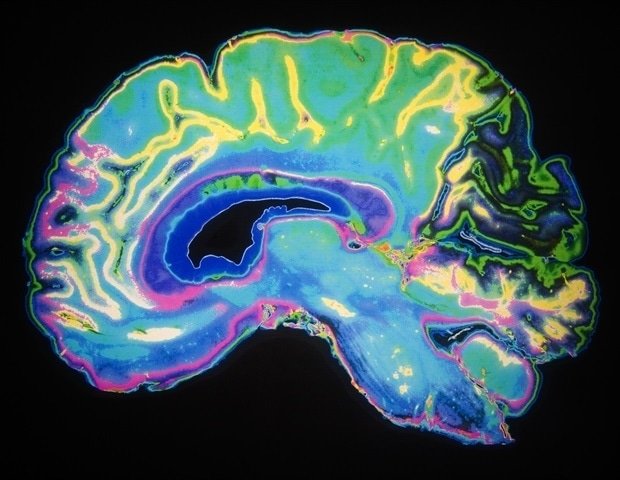
McMaster University researchers have developed a new cancer immunotherapy strategy that can simultaneously attack deadly brain tumors and the immune cells that help them grow.
The study was published on July 1, naturefocuses on glioblastoma, one of the most aggressive and difficult to treat cancers, and on immune cells called macrophages, which normally help protect the body from infection. But glioblastomas can hijack these cells and use them to help the tumor grow, suppress immune attacks, and resist treatment.
Researchers identified non-metastatic melanoma protein B (GPNMB), a glycoprotein present in cancer cells and these tumor-supporting macrophages. This has presented a unique opportunity to design therapies that target both the tumor and the immune environment that helps maintain it. Through the use of chimeric antigen receptor T-cell therapy (CAR-T), the research team showed how CAR-T cells can recognize GPNMB and attack tumors from both sides simultaneously.
“Rather than treating tumors simply as a mass of cancer cells, we suggest that glioblastomas should be treated as a connected tumor and immune ecosystem,” says lead author Sheila Singh, professor of surgery at McMaster University. “Our approach attacks both the tumor and the environment in which it grows. We don’t just target the cancer and eliminate the immune cells that help protect it from treatment.”
In several preclinical models of glioblastoma, including those grown from tumors in human patients, this therapy eliminated detectable tumor and resulted in long-term disease-free survival in these models.
The study builds on previous work by University of Calgary researchers developing CAR-T therapies that target GPNMB, including the first human clinical trial in patients with metastatic sarcoma, a type of cancer that starts in connective tissue. Details of the trial were published at the same time. natural cancer. Together, these studies highlight GPNMB as a promising target across cancer types and provide a foundation for communicating this strategy to patients.
Although CAR-T therapy has been effective in some blood cancers, it has been difficult to translate that success to brain tumors. Most approaches have focused on killing only cancer cells. Our study suggests that the immune support system that helps tumors survive may also need to be dismantled. ”
Shan Grewal, co-lead author, McMaster MD/PhD candidate
Researchers stress that more research is needed before the treatment can advance to clinical trials. The study included collaborators from King’s College London, Northwestern University, the University of Calgary, the University of Toronto, and the Hospital for Sick Children.
This research was supported by the Terry Fox Research Institute, Brain Canada, Cancer Research Association, Brain Cancer Canada, and Brain Tumor Foundation of Canada.
