

Close Menu

    Subscribe to Updates

    Get the latest creative news from FooBar about art, design and business.

    What's Hot

    Are electric car batteries as dirty as critics claim?

    June 30, 2026

    Hyro deploys analytics platform to gather insights from AI agent interactions

    June 30, 2026

    Association between autistic traits and camouflage is stronger in the general population

    June 30, 2026
    Facebook X (Twitter) Instagram
    Facebook X (Twitter) Instagram
    Health Magazine
    • Home
    • Environmental Health
    • Health Technology
    • Medical Research
    • Mental Health
    • Nutrition Science
    • Pharma
    • Public Health
    • Discover
      • Daily Health Tips
      • Financial Health & Stability
      • Holistic Health & Wellness
      • Mental Health
      • Nutrition & Dietary Trends
      • Professional & Personal Growth
    • Our Mission
    Health Magazine
    Home » News » New genetic clues may help prevent unexpected strokes in young people
    Discover

    New genetic clues may help prevent unexpected strokes in young people

    healthadminBy healthadminJune 30, 2026No Comments4 Mins Read
    New genetic clues may help prevent unexpected strokes in young people
    Share
    Facebook Twitter Reddit Telegram Pinterest Email


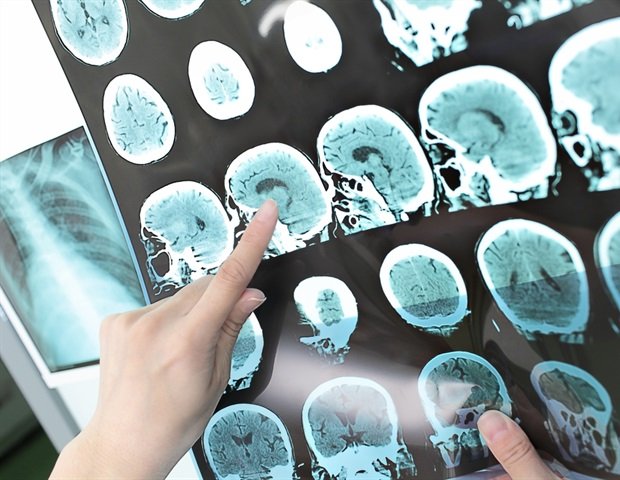
    Stroke researchers at UVA Health have identified distinct and temporal patterns of genetic behavior during carotid artery dissection, a leading cause of stroke in young people. These unusual genetic changes could help explain the anatomy and lead to new ways to prevent potentially debilitating strokes in young people.

    Andrew M. Sutherland, MD, a stroke expert at UVA Health, noted that finding ways to prevent carotid artery dissection is especially important because of the devastating effects of stroke, as well as the potential for long-term disability in young patients. Carotid artery dissection can occur without warning, and one in five strokes in people under 55 is caused by the disease.

    Stroke is a serious illness at any age. People who suffer from carotid artery dissection are often young or in adulthood, making them even more susceptible to disability from this sudden and often unexplained event. Understanding the genetic and environmental risk factors associated with carotid artery dissection brings us one step closer to identifying those most at risk and, ideally, preventing its occurrence. ”


    Andrew M. Sutherland, MD, MSc, Department of Neurology and Public Health, University of Virginia School of Medicine

    Carotid artery dissection and stroke

    A carotid artery dissection is a tear that occurs within the wall of an artery that supplies blood to the brain. These tears can cause blood to pool, causing a blockage that leads to a lack of oxygen in the brain, or a stroke. Carotid artery dissection can be caused by minor neck trauma, such as whiplash or chiropractic adjustments, or by certain genetic disorders, but most cases are considered “spontaneous” and have no apparent cause.

    Dr. Sutherland and his colleagues wanted to better understand the causes of sudden artery rupture in non-traumatic patients, so they studied 37 UVA patients and compared them to healthy people, including the patients’ spouses, friends, and community volunteers.

    The researchers hypothesized that patients had a “characteristic” pattern of gene activity at autopsy, similar to patterns seen in other sudden vascular events such as aneurysms. This proved to be the case, with significant differences in the activity of 11 genes found in patients immediately after autopsy compared to what was seen in healthy study participants.

    Furthermore, the patients showed different gene activation patterns immediately after and after autopsy, suggesting that the characteristic gene activation is temporary. Most of these genes focused on the body’s use of hemoglobin, the substance that carries oxygen in the blood. Hemoglobin also plays an important role in clotting.

    Based on these results, the researchers suspect that impaired oxygen transport may predispose people to carotid artery dissection, or that hemoglobin plays other roles, such as creating systemic conditions in the body that make arteries more vulnerable.

    Scientists want to conduct further research to explore these possibilities and, if possible, find ways to prevent strokes. “This study is still very preliminary, and we need to replicate it in other larger, more diverse patient groups,” said Sutherland, of UVA’s Comprehensive Stroke Center. “We are currently working with a team of international collaborators to continue researching the genetic causes of carotid artery dissection, and we look forward to providing these research opportunities to patients in Virginia and internationally.”

    Finding new ways to improve human health and more effectively prevent and treat serious conditions such as stroke is the driving mission of UVA’s new Paul & Diane Manning Institute for Biotechnology. The institute aims to accelerate how quickly discoveries in the laboratory can be translated into treatments that benefit patients in Virginia and around the world.

    Publication of survey results

    The researchers published their findings in a scientific journal Neurology Genetics. The research team consisted of Robert B. Ferguson, Ilana E. Green, Timothy L. McMurray, Keith L. Keene, Stephen R. Williams, Huang Qi Hsu, Stefan Bekilanoff, Hyacinth I. Hyacinth, Glenn C. Zickling, Michelle M. Sale, Bradford B. Worrall, and Sutherland.

    This research was supported by American Heart Association/American Stroke Association (AHA/ASA) National Clinical Research Program 13CRP141.

    sauce:

    University of Virginia Health System

    Reference magazines:

    Ferguson, R.B. others. (2026). Gene expression profiles during early and late stages after carotid artery dissection. Neurology Genetics. DOI: 10.1212/NXG.0000000000200396. https://www.neurology.org/doi/10.1212/NXG.0000000000200396


    Source link

    Visited 3 times, 3 visit(s) today
    Share. Facebook Twitter Pinterest LinkedIn Telegram Reddit Email
    Previous ArticleCryo-EM microscopy reveals the bacterial structure behind periodontal disease
    Next Article New anti-lipid antibodies may improve diagnosis of Lyme disease
    healthadmin

    Related Posts

    Probiotic metabolites found to suppress melanoma tumor growth in mice

    June 30, 2026

    New anti-lipid antibodies may improve diagnosis of Lyme disease

    June 30, 2026

    Cryo-EM microscopy reveals the bacterial structure behind periodontal disease

    June 30, 2026

    A rare genetic condition provides new insights into the human aging process

    June 30, 2026

    Review assesses effectiveness of creatine as add-on therapy for depression

    June 30, 2026

    New diagnostic tool bypasses blood-brain barrier to detect autism early

    June 30, 2026
    Add A Comment
    Leave A Reply Cancel Reply

    Categories

    • Daily Health Tips
    • Discover
    • Environmental Health
    • Exercise & Fitness
    • Featured
    • Featured Videos
    • Financial Health & Stability
    • Fitness
    • Fitness Updates
    • Health
    • Health Technology
    • Healthy Aging
    • Healthy Living
    • Holistic Healing
    • Holistic Health & Wellness
    • Medical Research
    • Medical Research & Insights
    • Mental Health
    • Mental Wellness
    • Natural Remedies
    • New Workouts
    • Nutrition
    • Nutrition & Dietary Trends
    • Nutrition & Superfoods
    • Nutrition Science
    • Pharma
    • Preventive Healthcare
    • Professional & Personal Growth
    • Public Health
    • Public Health & Awareness
    • Selected
    • Sleep & Recovery
    • Top Programs
    • Weight Management
    • Workouts
    Popular Posts
    • 1773313737_bacteria_-_Sebastian_Kaulitzki_46826fb7971649bfaca04a9b4cef3309-620x480.jpgHow Sino Biological ProPure™ redefines ultra-low… March 12, 2026
    • pexels-david-bartus-442116The food industry needs to act now to cut greenhouse… January 2, 2022
    • 1773729862_TagImage-3347-458389964760995353448-620x480.jpgDespite safety concerns, parents underestimate the… March 17, 2026
    • 1773209206_futuristic_techno_design_on_background_of_supercomputer_data_center_-_Image_-_Timofeev_Vladimir_M1_4.jpegMulti-agent AI systems outperform single models… March 11, 2026
    • 1774403998_image_28620e4b6b0047f7ab9154b41d739db1-620x480.jpgGait pattern helps distinguish between Lewy body… March 24, 2026
    • Leukemia-620x480.jpgBiomimetic platform powers CAR T therapy for… March 9, 2026

    Demo
    Stay In Touch
    • Facebook
    • Twitter
    • Pinterest
    • Instagram
    • YouTube
    • Vimeo
    Don't Miss

    Are electric car batteries as dirty as critics claim?

    By healthadminJune 30, 2026

    Electric vehicles (EVs) are riding an unprecedented wave of popularity in the wake of the…

    Hyro deploys analytics platform to gather insights from AI agent interactions

    June 30, 2026

    Association between autistic traits and camouflage is stronger in the general population

    June 30, 2026

    Probiotic metabolites found to suppress melanoma tumor growth in mice

    June 30, 2026

    Subscribe to Updates

    Get the latest creative news from SmartMag about art & design.

    HealthxMagazine
    HealthxMagazine

    At HealthX Magazine, we are dedicated to empowering entrepreneurs, doctors, chiropractors, healthcare professionals, personal trainers, executives, thought leaders, and anyone striving for optimal health.

    Our Picks

    Probiotic metabolites found to suppress melanoma tumor growth in mice

    June 30, 2026

    New anti-lipid antibodies may improve diagnosis of Lyme disease

    June 30, 2026

    New genetic clues may help prevent unexpected strokes in young people

    June 30, 2026
    New Comments
      Facebook X (Twitter) Instagram Pinterest
      • Home
      • Privacy Policy
      • Our Mission
      © 2026 ThemeSphere. Designed by ThemeSphere.

      Type above and press Enter to search. Press Esc to cancel.