


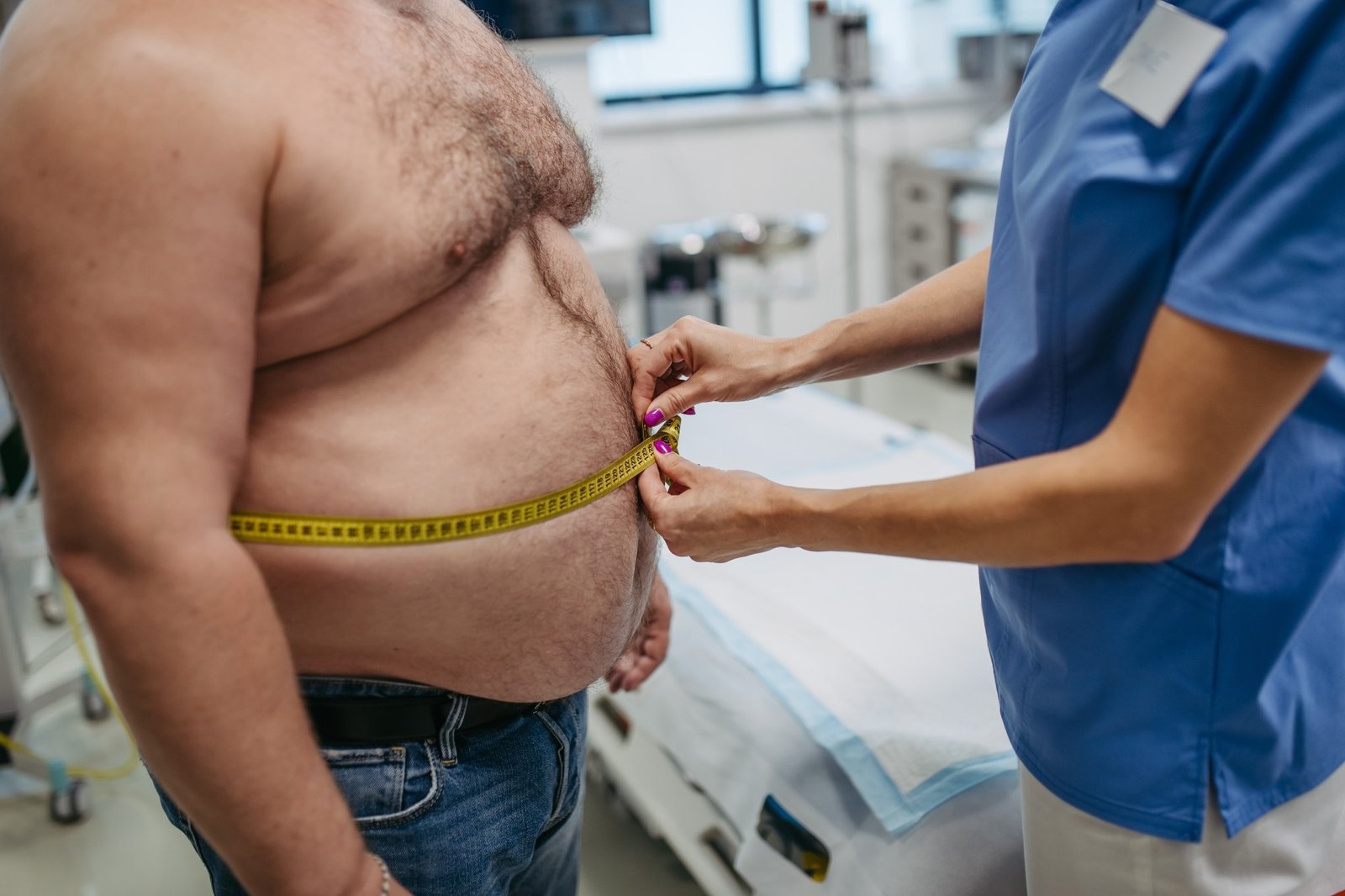
A national survey of 54 million adults found that obesity is increasing fastest in disadvantaged communities, and rising inequalities following the COVID-19 pandemic highlight the urgent need for prevention to address the underlying social causes of obesity.
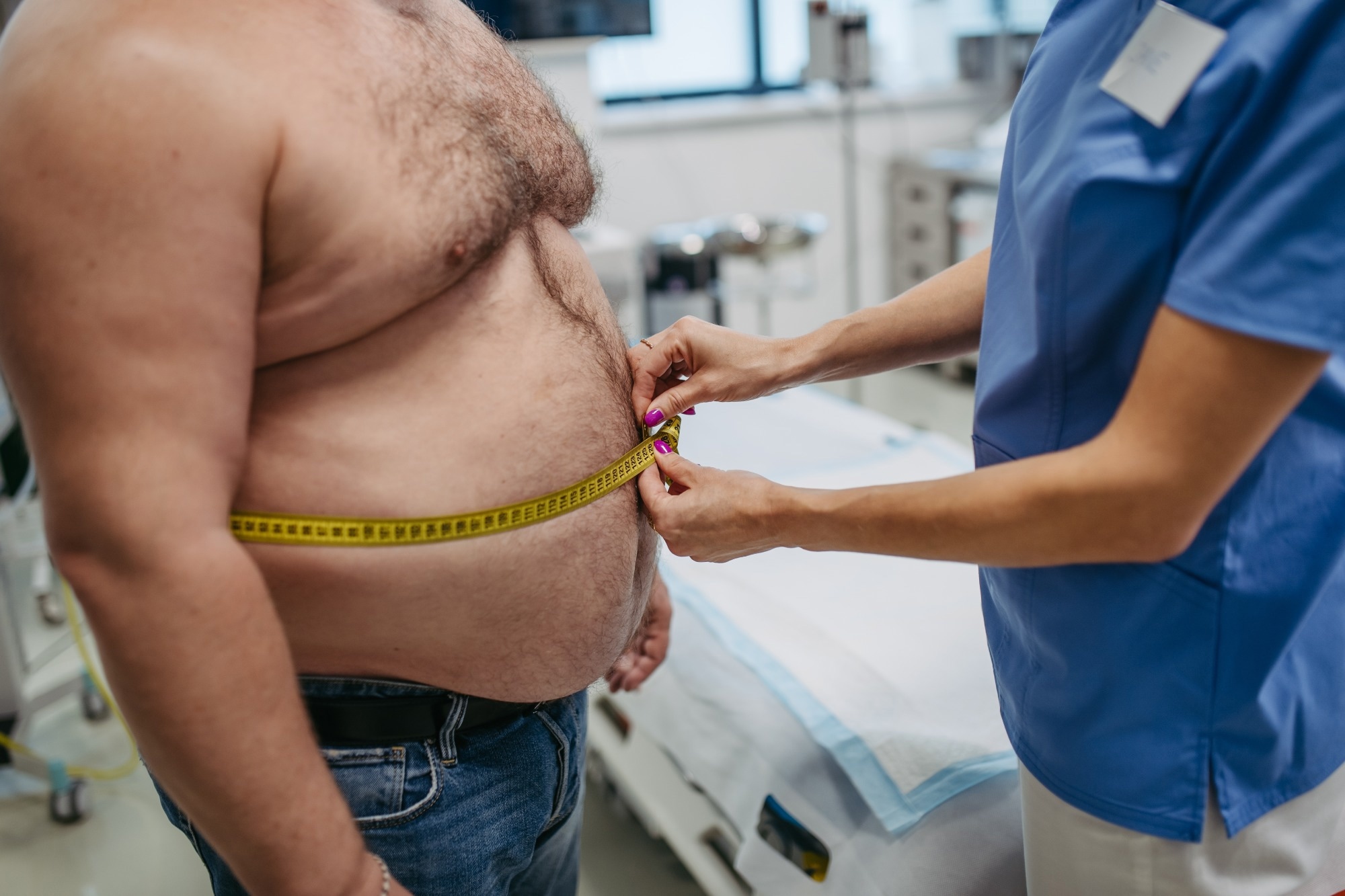 Study: Population trends in obesity across dimensions of inequality in England, 2019-25: Retrospective longitudinal cohort study of 54 million adults. Image credit: Halfpoint/Shutterstock.com
recent Lancet Diabetes and Endocrinology This study investigated current trends in obesity prevalence in the UK and assessed variation by gender, age, ethnicity, geographical location and socio-economic background.
Social inequality continues to drive Britain’s obesity epidemic
Obesity is a complex medical condition defined by excessive accumulation of body fat to a degree that impairs health and increases the risk of many chronic diseases. Over recent decades, the prevalence of obesity has increased dramatically around the world, creating a major public health crisis. In many high-income countries, obesity rates have more than doubled since 1990, and current projections suggest that by 2050, one-third of adults worldwide could be living with obesity.
Despite decades of efforts, public health interventions have so far failed to curb the obesity epidemic, as environments that promote unhealthy weight gain persist and health disparities widen. Although drug treatments exist, they only address obesity after it has occurred, are expensive to apply broadly, and do not address the underlying causes.
Weight regain after medication discontinuation is common, highlighting the need for preventive strategies that address social determinants and genetic risk. However, the role of intersecting inequalities in shaping adult obesity trends, particularly in the wake of the COVID-19 pandemic, remains poorly understood. The pandemic has exposed and widened existing inequalities and may have contributed to changing obesity patterns. Building stronger evidence is critical for effective monitoring, targeted intervention, and prevention for vulnerable groups.
Electronic health records track obesity in 54 million adults
In the current research, the We linked electronic health records in the NHS England secure data environment to provide a detailed analysis of obesity trends for more than 54 million UK adults from 2019 to 2025. This study investigated obesity trends during and after the coronavirus disease (COVID-19) pandemic and examined variation due to demographic and socio-economic factors. The researchers then compared the prevalence estimates to national survey data to assess their validity.
Adults aged 18 to 99 years who were alive and registered in a UK general practice on or after 1 November 2019 were included. Obesity was defined as BMI ≥ 30 kg/m² or clinician diagnosis based on routine primary care records. Prevalent obesity at the start of the study was identified by records of obesity over the past 10 years. Pregnant and postpartum women were excluded to avoid misclassification of pregnancy-related weight gain.
Key clinical measurements and chronic diseases were recorded for each individual near the first recorded obesity diagnosis. For patients with clinician diagnosis only, BMI data from 5 years before diagnosis to 1 year after diagnosis was also included.
Socioeconomic status was determined by the 2019 Multiple Poverty Index in area-based quintiles. Ethnicity was categorized as Asian, Black, Mixed/Other, or White based on the most recent medical records.
Obesity burden increases fastest in disadvantaged communities
Between November 2019 and April 2025, 54.9 million people in the NHS England Safety Data Environment met study criteria, contributing over 270 million person-years of follow-up. During this period, 4.1 million new people were recorded as obese. A slightly higher proportion of women were diagnosed than men, with a median age at diagnosis of 43 years and a mean BMI of 33.4 kg/m2. Depression was more common in women, although men generally had more chronic conditions at the time of diagnosis, likely reflecting older age.
Overall, recorded obesity was recorded at a rate of 22 per 1,000 person-years, increasing by 4% between 2019 and 2025. The biggest increases were among women, especially black women, and adults ages 20 to 39. Recorded obesity diagnoses briefly decreased during the COVID-19 pandemic, perhaps due to reduced access to health care limiting diagnostic opportunities, rather than reflecting a true decline in obesity, but have since rebounded as health services have been restored.
Researchers also found clear socio-economic and ethnic inequalities. The recorded incidence of obesity was 35% higher in the least disadvantaged group than in the least advantaged group, with the largest poverty gap observed among Asians and the smallest among blacks. Obesity was recorded up to 14 years earlier in non-white groups than in white groups. Women were diagnosed more often than men and at younger ages, and poverty-related differences were particularly pronounced among women in Asia, with those living in the most disadvantaged regions being almost twice as likely to be diagnosed with obesity than those living in the least disadvantaged regions. The researchers found no evidence that the incidence of obesity clearly increases around the typical menopausal period.
By April 2025, the recorded obesity prevalence had increased from 26.3% to 30.3%. However, this overall figure masks stark disparities between population groups, ranging from 4.3% of the most disadvantaged young white men to 66.1% of the most disadvantaged older black women. Socioeconomic gradients were evident across all ethnic groups, but the gradients were steepest among Asians and smallest among Blacks.
Obesity prevalence was generally highest among adults aged 70 to 79 years, but overall prevalence was highest among black women aged 60 to 69 years. The prevalence among black women aged 40 years and older exceeded 40%, regardless of deprivation. Prevalence rates were also particularly high for Caribbean and black African groups, and Chinese had the lowest prevalence. Applying ethnicity-specific BMI thresholds further increased prevalence estimates, with prevalence rates often exceeding 50% for black women aged 40 years and older.
Significant geographic differences were also evident. By April 2025, regional obesity prevalence ranged from 8.5% to 48.1%, with disparities widening over time. Almost every region saw an increase in obesity rates, but the biggest increases occurred in the least affluent regions, where obesity was already the most common. Obesity rates were consistently higher in regions with lower GDP per capita.
BMI measurements were available in approximately 40% of the study population, with the lowest coverage among young adults and the highest coverage among those aged 60 to 79 years. Although obesity was identified from routine medical records rather than direct measurements in the entire population, prevalence estimates were broadly consistent with national survey results.
Although those who had more frequent primary care visits were more likely to have obesity documented, the observed differences by age, ethnicity, gender, and socioeconomic status were consistent regardless of frequency of medical visits, suggesting that the overall pattern is robust. The authors note that obesity prevalence may still be underestimated, especially among younger people who have less contact with health services.
Targeted prevention could help narrow growing obesity disparities
The study finds that obesity-related inequalities have widened, especially since the coronavirus pandemic. Addressing these growing disparities will require a collaborative effort by policymakers, communities, and health care providers. By implementing evidence-based policies and targeted support for at-risk groups, future interventions can reduce health inequalities.
The authors argue that addressing the social and structural determinants of obesity alongside clinical treatment is essential to reducing these widening disparities and improving long-term population health.
Download your PDF copy now.
