

Close Menu

    Subscribe to Updates

    Get the latest creative news from FooBar about art, design and business.

    What's Hot

    Clarifying the 2025-2030 Dietary Guidelines Contradictions

    June 29, 2026

    Doctronic and Simple HealthKit partners to connect at-home screening with AI-powered clinical care

    June 29, 2026

    988 Hotline, Private ER, Pulmonary Hypertension: Morning rounds

    June 29, 2026
    Facebook X (Twitter) Instagram
    Facebook X (Twitter) Instagram
    Health Magazine
    • Home
    • Environmental Health
    • Health Technology
    • Medical Research
    • Mental Health
    • Nutrition Science
    • Pharma
    • Public Health
    • Discover
      • Daily Health Tips
      • Financial Health & Stability
      • Holistic Health & Wellness
      • Mental Health
      • Nutrition & Dietary Trends
      • Professional & Personal Growth
    • Our Mission
    Health Magazine
    Home » News » A simple bedside vision test may predict recovery of consciousness after brain injury
    Discover

    A simple bedside vision test may predict recovery of consciousness after brain injury

    healthadminBy healthadminJune 29, 2026No Comments3 Mins Read
    A simple bedside vision test may predict recovery of consciousness after brain injury
    Share
    Facebook Twitter Reddit Telegram Pinterest Email


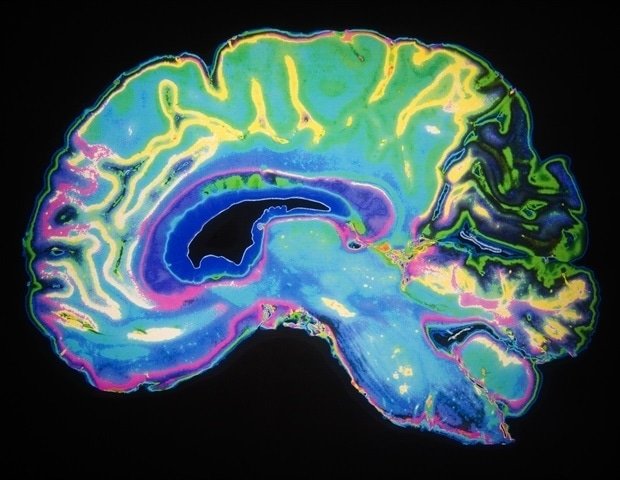
    A simple bedside vision test may help predict recovery of consciousness in patients with severe brain injuries, according to new research presented at the 2026 European Academy of Neurology (EAN) Congress.

    The study found that a previously overlooked phase of the pupillary response to light, known as the late lights-out response (LOR), predicted improvement in consciousness seven days later in acute brain injury patients. In contrast, standard pupillary measurements already widely used in intensive care units (ICUs), such as neurological pupillary index (NPi) and pupillary light reflex (PLR) latency, did not predict subsequent recovery of consciousness.

    Predicting whether a patient will regain consciousness after severe brain injury remains one of the biggest challenges in intensive care. Automated pupillometry is already widely used in the ICU to assess brain function, but existing measurements primarily capture the pupil’s immediate response to light, with limited insight into long-term recovery.

    Researchers from Copenhagen University Hospital Rigshospitalet and the Technical University of Denmark investigated whether the later stages of the pupillary reaction, which occur after the eye reacts to light, could provide further insight into the chances of recovery in patients with acute unconsciousness. The study involved 250 patients who suffered from disturbances of consciousness after traumatic and non-traumatic brain injury and 30 age- and gender-matched healthy controls. Patients underwent daily automated pupillary measurements and neurological evaluations for up to 20 days in the ICU.

    This study found that slower LOR latencies independently predicted improvement in consciousness 7 days later, even after accounting for baseline neurological status, time since injury, sedation and injury type. Of note, this measurement was not associated with same-day patient reactivity levels, suggesting that it may reveal potential for recovery that was not apparent with routine bedside assessment.

    Current pupillary function tests show how the brain is responding in the moment, but a slow lights-out response may provide clues about the brain’s potential for recovery. This could help us better understand which patients are likely to improve in the coming days. ”

    Dr. Poul Laigaard, first author, Copenhagen University Hospital Rigshospitalet

    The relationship was strongest in unsedated patients and in patients with anoxic-ischemic brain injury, a condition in which the brain lacks oxygen and blood flow. However, the researchers cautioned that the findings in these subgroups are exploratory and need to be confirmed in larger studies.

    Professor Daniel Conziella, senior author of the study, added: “We believe this is an important observation that deserves further study. Larger multicenter studies are needed to determine whether this approach can be used routinely for bedside monitoring and prognosis.”

    If validated in future studies, this approach could be relatively easy to implement, Dr. Rygaard explained, since the necessary technology is already available in many ICUs.

    “Light-off response is measured using a hand-held automatic pupillometer in much the same way as current pupillary measurements. The entire assessment takes only 13 seconds per eye, making it a fast and practical bedside tool that could potentially be integrated into routine ICU care.”

    sauce:

    2026 European Academy of Neurology (EAN) Congress


    Source link

    Visited 2 times, 2 visit(s) today
    Share. Facebook Twitter Pinterest LinkedIn Telegram Reddit Email
    Previous ArticleThese tiny soil microbes could save crops from salty farmland
    Next Article Multiple sclerosis affects social life and work beyond physical health
    healthadmin

    Related Posts

    Ape laughter reveals how human voice control evolved

    June 29, 2026

    Weak grip strength may not independently predict prostate cancer risk

    June 29, 2026

    Abnormal CD34+ dysplastic giant platelets complicate diagnosis of myelodysplastic syndromes

    June 29, 2026

    Women with Parkinson’s disease may be more vulnerable to Alzheimer’s disease

    June 29, 2026

    Multiple sclerosis affects social life and work beyond physical health

    June 29, 2026

    Melatonin reduces inflammation of fetal membranes associated with preterm birth

    June 29, 2026
    Add A Comment
    Leave A Reply Cancel Reply

    Categories

    • Daily Health Tips
    • Discover
    • Environmental Health
    • Exercise & Fitness
    • Featured
    • Featured Videos
    • Financial Health & Stability
    • Fitness
    • Fitness Updates
    • Health
    • Health Technology
    • Healthy Aging
    • Healthy Living
    • Holistic Healing
    • Holistic Health & Wellness
    • Medical Research
    • Medical Research & Insights
    • Mental Health
    • Mental Wellness
    • Natural Remedies
    • New Workouts
    • Nutrition
    • Nutrition & Dietary Trends
    • Nutrition & Superfoods
    • Nutrition Science
    • Pharma
    • Preventive Healthcare
    • Professional & Personal Growth
    • Public Health
    • Public Health & Awareness
    • Selected
    • Sleep & Recovery
    • Top Programs
    • Weight Management
    • Workouts
    Popular Posts
    • 1773313737_bacteria_-_Sebastian_Kaulitzki_46826fb7971649bfaca04a9b4cef3309-620x480.jpgHow Sino Biological ProPure™ redefines ultra-low… March 12, 2026
    • pexels-david-bartus-442116The food industry needs to act now to cut greenhouse… January 2, 2022
    • 1773729862_TagImage-3347-458389964760995353448-620x480.jpgDespite safety concerns, parents underestimate the… March 17, 2026
    • 1773209206_futuristic_techno_design_on_background_of_supercomputer_data_center_-_Image_-_Timofeev_Vladimir_M1_4.jpegMulti-agent AI systems outperform single models… March 11, 2026
    • 1774403998_image_28620e4b6b0047f7ab9154b41d739db1-620x480.jpgGait pattern helps distinguish between Lewy body… March 24, 2026
    • Leukemia-620x480.jpgBiomimetic platform powers CAR T therapy for… March 9, 2026

    Demo
    Stay In Touch
    • Facebook
    • Twitter
    • Pinterest
    • Instagram
    • YouTube
    • Vimeo
    Don't Miss

    Clarifying the 2025-2030 Dietary Guidelines Contradictions

    By healthadminJune 29, 2026

    Recent updates to the 2025-2030 Dietary Guidelines have sparked confusion among dietitians and researchers regarding saturated fat recommendations, protein intake levels, and guidance on processed foods.

    Doctronic and Simple HealthKit partners to connect at-home screening with AI-powered clinical care

    June 29, 2026

    988 Hotline, Private ER, Pulmonary Hypertension: Morning rounds

    June 29, 2026

    Study finds that authoritarianism acts as a psychological bridge for dark personalities

    June 29, 2026

    Subscribe to Updates

    Get the latest creative news from SmartMag about art & design.

    HealthxMagazine
    HealthxMagazine

    At HealthX Magazine, we are dedicated to empowering entrepreneurs, doctors, chiropractors, healthcare professionals, personal trainers, executives, thought leaders, and anyone striving for optimal health.

    Our Picks

    Study finds that authoritarianism acts as a psychological bridge for dark personalities

    June 29, 2026

    Millions of people take omega-3 fish oil for brain health, but new study finds no benefit

    June 29, 2026

    These fat-filled brain cells may be worsening multiple sclerosis

    June 29, 2026
    New Comments
      Facebook X (Twitter) Instagram Pinterest
      • Home
      • Privacy Policy
      • Our Mission
      © 2026 ThemeSphere. Designed by ThemeSphere.

      Type above and press Enter to search. Press Esc to cancel.