


Antimicrobial resistance (AMR) is responsible for an estimated 1.1 to 1.4 million deaths worldwide each year. This growing threat is usually associated with the overuse and misuse of antibiotics, but new research suggests another factor may also be involved: certain herbicides.
Scientists have found evidence that glyphosate, one of the world’s most widely used herbicides, may help select bacteria that are resistant to multiple antibiotics.
“We showed that the most common species of multidrug-resistant bacteria that occur in hospitals are not only resistant to multiple types of antibiotics, but also to high concentrations of the herbicide glyphosate,” said Dr. Daniela Centrón, a researcher at the Institute of Medical Microbiology and Parasitology in Buenos Aires and lead author of the study published in 2006. Frontiers of microbiology.
“These results suggest that, unlike antibiotics, herbicides widely used in agricultural settings may have the unintended side effect of selecting AMR among bacterial communities in soil.”
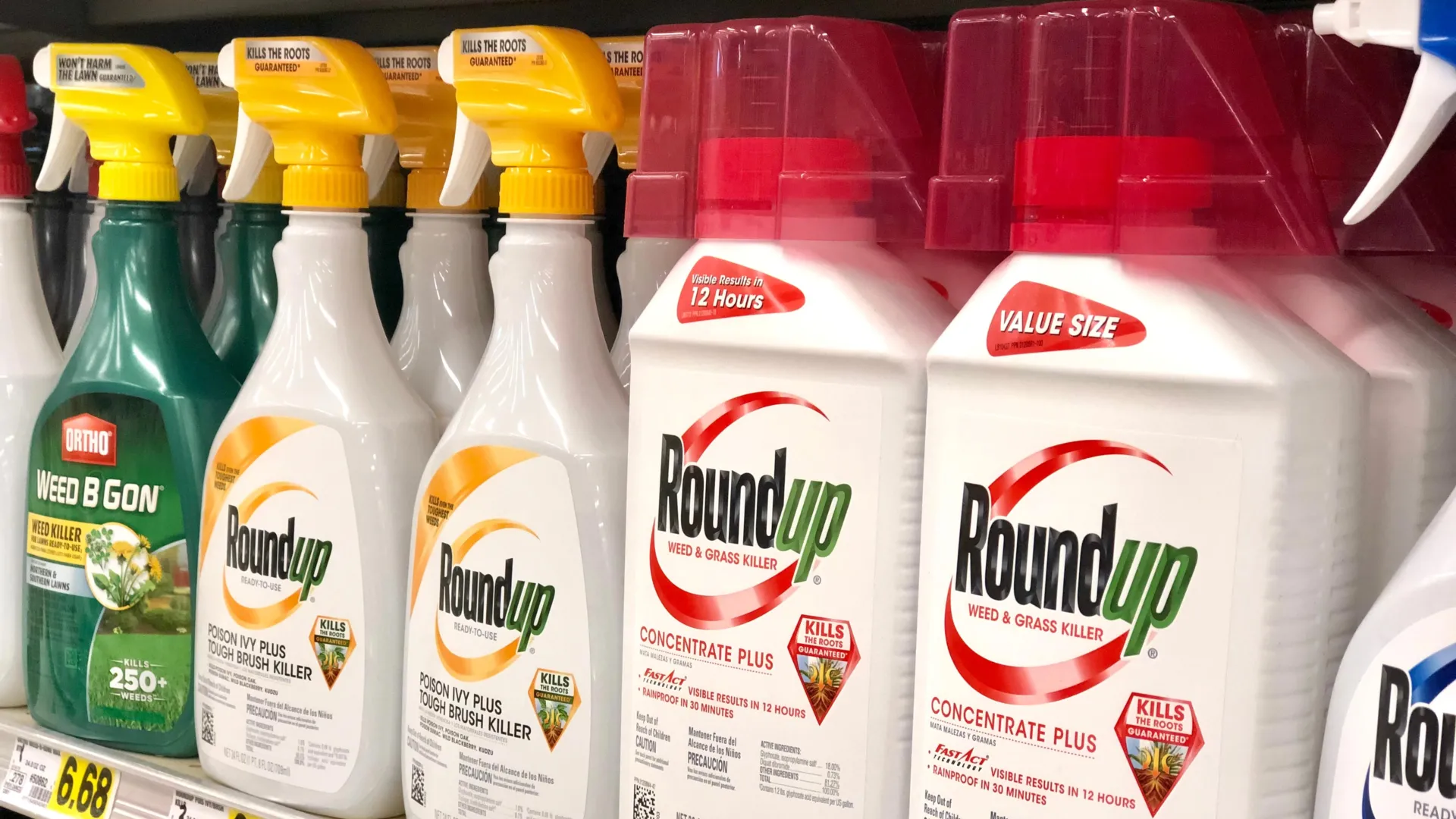
For decades, Roundup was closely related to glyphosate, an herbicide first registered in the United States in 1974. Today, the answer is even more complex. Home-use Roundup products sold at many hardware stores and garden centers have been reformulated without glyphosate and may contain ingredients such as triclopyr, fluazifop, and diquat. However, glyphosate remains in professional and agricultural Roundup products used in agriculture, landscaping, and other commercial settings.
Test for bacteria from nature, farms, and hospitals
To investigate this link, Centron and his colleagues analyzed 68 bacterial strains collected in 2018 and 2020 from sediments in the Parana Delta Nature Reserve, a wetland north of Buenos Aires. Herbicides have never been used within the preserve, but glyphosate is commonly used on nearby farmland.
The researchers looked at how resistant each strain was to 16 commonly used antibiotics, including combinations of ampicillin and sulbactam, meropenem, tetracycline, and vancomycin. They also tested resistance to pure glyphosate and glyphosate-based herbicides, one of the most widely used herbicides around the world.
They then compared their results to 19 bacterial strains obtained from a local hospital, including multidrug-resistant bacteria. A further 15 strains originated from feedlot and agricultural soils affected by herbicide use.
Hospital superbugs are also resistant to glyphosate
Hospital strains showed extensive antimicrobial resistance. Individual strains were resistant to between 1 and 16 of the antibiotics tested. Of particular concern was the finding that 74% were resistant to carbapenems. Carbapenems are a type of broad-spectrum antibiotic that are often reserved as a last line of defense against serious infections.
All hospital-derived strains also showed high resistance to glyphosate and glyphosate-based herbicides.
“This means that if these bacteria enter the environment through untreated wastewater from hospitals, they may continue to thrive in agricultural areas where glyphosate is used,” said lead author Dr. Camila Knecht, from Dr. Centron’s research group.
The 68 strains collected from the Parana Delta represented 15 different genera including: Acinetobacter, Pseudomonas genus, Esigbacteriumand Chryseobacterium. All of them showed at least some resistance to glyphosate and glyphosate-based herbicides, despite the fact that these chemicals have never been used within the reserve itself.
Among the environmental strains are enterobacter The species tolerated the highest glyphosate concentrations, surviving at levels up to 80 milligrams per milliliter. in contrast, Bacillus Species commonly found in soil were particularly susceptible. Their growth was inhibited at concentrations as low as 2.5 milligrams per milliliter. High glyphosate resistance was also observed in strains isolated from nosocomial infections that exhibited extreme drug resistance.
Resistant bacteria share a similar genetic background
The researchers then constructed a genetic “family tree” using all 102 strains included in the study. They found that the bacteria most resistant to glyphosate are often closely related, whether they originate from hospitals, farms, or the Parana Delta.
For example, the same bacterial genus showed glyphosate resistance in all three environments.
“In the environment, the use of glyphosate leads to the evolution of resistant bacteria in affected soils, whereas the use of antibiotics promotes the evolution of resistant bacteria in hospitals. Bacteria with antibiotic resistance genes can spread and reproduce in both directions and in multiple ways between these two niches, and the water cycle plays an important role in their transmission,” concluded co-author Dr. Jochen A. Müller, group leader at Karlsruhe Institute of Technology.
Glyphosate and public health concerns
Glyphosate has long been the subject of scientific and regulatory debate. Studies have shown that it can be harmful to arthropods (particularly bees), and the International Agency for Research on Cancer has classified it as a possible human carcinogen.
Several European countries have already restricted the use of some herbicides. France, Belgium and the Netherlands have banned glyphosate for household use, and Germany currently bans the use of glyphosate in public places.
Based on the findings, the researchers argue that pesticide regulations need to take antibiotic resistance into account before products are brought to market.
“Policies regarding the use of pesticides and their metabolites should specify requirements for co-selective testing with antibiotics before marketing. Labels should include a warning that genes for antibiotic resistance can spread from glyphosate-contaminated soil to hospitals via untreated water,” Sentron advised.
