


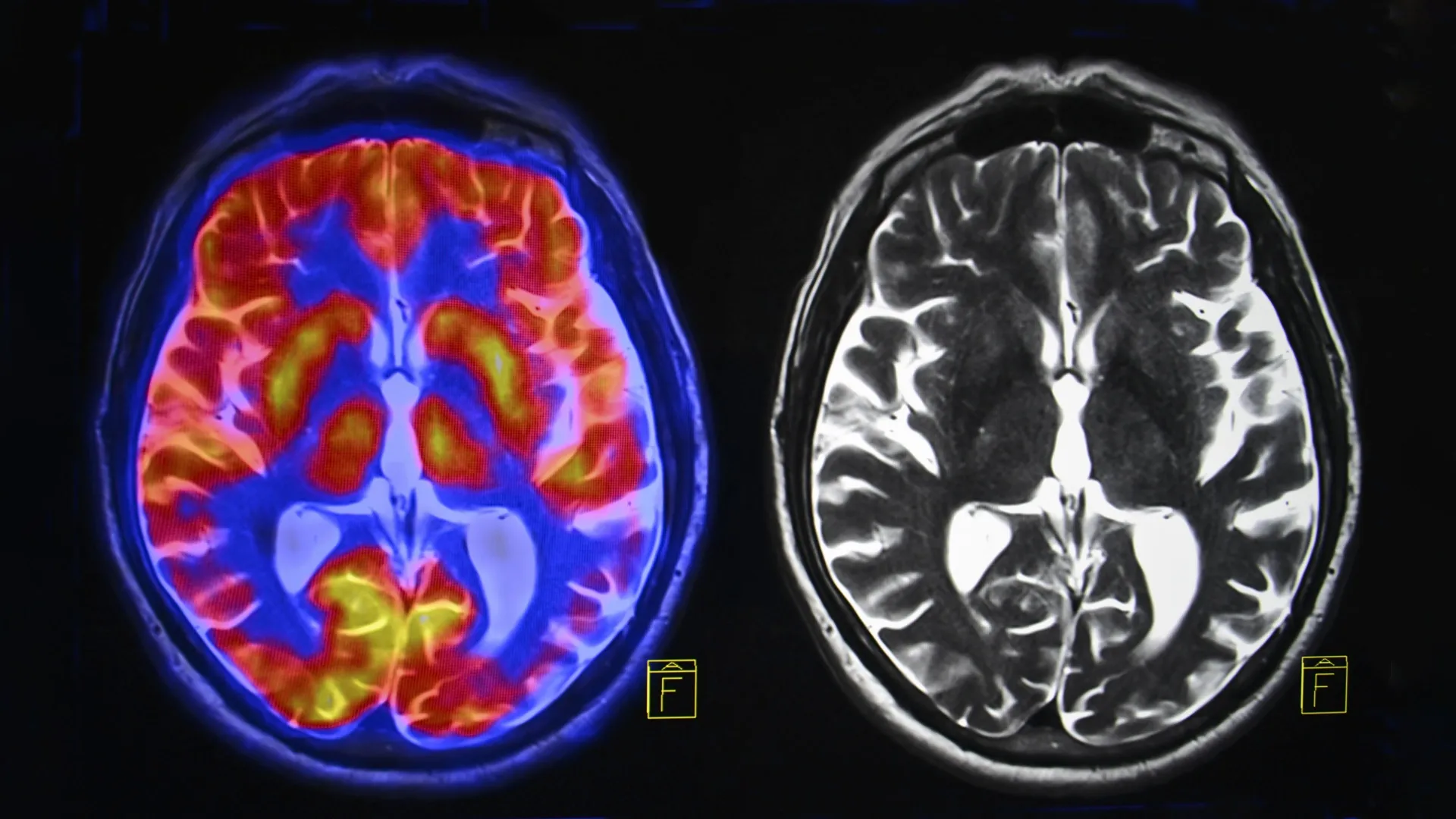
An international team of scientists has found evidence that autism may include at least two distinct biological subtypes, each defined by different communication patterns throughout the brain. One subtype is characterized by abnormally high levels of connectivity between brain regions, while the other subtype shows reduced connectivity. This discovery could help pave the way for a more individualized approach to autism diagnosis, care, and treatment.
The study was led by researchers from the Istituto Italiano di Tecnologia (IIT-Italian Institute of Technology) in Rovereto, Italy, and the Child Mind Institute in New York, with additional contributions from the University of Trento. Their discovery is natural neuroscience.
Brain connectivity reveals hidden autism subtypes
The study was coordinated by Alessandro Gozzi, Ph.D., director of IIT’s Center for Neuroscience and Cognitive Systems (CNCS), and Adriana Di Martino, MD, founding director of the Child Mind Institute Autism Center.
The researchers say this is the first large-scale effort to systematically link patterns seen in human brain imaging (via fMRI) to their underlying biological causes using a mouse model. By linking specific brain connectivity patterns to distinct molecular processes, this study provides the foundation for future precision medicine strategies in autism.
To conduct the study, the team examined functional brain connectivity in 20 different mouse models and analyzed brain scans of 940 children and young people with autism. These results were compared to scans from more than 1,000 neurotypical people.
The analysis revealed two consistent autism subtypes. One showed reduced communication between brain regions, known as hypoconnectivity, and was associated with synaptic pathways. The second showed increased communication between brain regions, known as hyperconnectivity, and was associated with immune-related biological systems. Together, these two groups represent about 25% of the autism patients studied.
“For decades, we have observed large variations in the presentation of autism, but there has been a lack of direct evidence that these differences reflect the underlying biology,” said Dr. Alessandro Gozzi from the Italian Institute of Technology. “Our approach allowed us to isolate specific genetic and immune factors and translate their signatures into human brain scans, showing that different connectivity patterns encode different mechanistic pathways underlying autism.”
Mouse models provide biological clues
The researchers combined mouse brain imaging data with genetic and biochemical analyses. This allowed them to link specific patterns of brain connectivity to changes occurring at the cellular level.
Their work showed how molecular mechanisms involving synapses and the immune system can produce distinct connectivity patterns that can be detected using fMRI. These findings enabled the team to establish a biological reference signature in mice and search for matching patterns in human brain scans.
Dr Adriana Di Martino of the Child Mind Institute said: “Mouse models have given us a biological ‘Rosetta Stone’.” “We can see which biological pathways drive which connectivity signatures and look for the same patterns in humans.”
Human brain imaging tests confirm the results
The human imaging data comes from the Autism Brain Imaging Data Exchange (ABIDE), a large international neuroimaging initiative co-founded by Dr. Di Martino, which combines datasets from research centers and the Child Mind Institute around the world.
When researchers analyzed the human data, they found the same over- and under-connectivity patterns identified in the mouse model.
Additional gene expression analyzes further strengthened this finding. Brain regions associated with hypoconnectivity were enriched in synaptic genes, whereas hyperconnectivity regions were enriched in immune-related genes. These results were in good agreement with the biological mechanisms observed in mouse studies.
Importantly, the same subtypes consistently appeared across multiple independent datasets, demonstrating that the results are reproducible.
“Finding the same subtype reproducible across dozens of independent laboratories was an important validation,” Dr. Gozzi added.
Towards more personalized autism care
The two subtypes also showed differences in overall brain organization and showed slight differences in standard autism assessments. Individuals in the hyperconnected group tended to score slightly higher on measures of autism severity.
“Brain-based biological markers reveal distinctions that are not fully captured by current behavioral assessments,” said Dr. Di Martino.
Researchers caution that these two connectivity patterns are likely just part of the biological diversity of autism. They believe that additional subtypes may emerge as larger datasets become available and analysis methods continue to improve.
This research was supported through an international collaboration coordinated by the Italian Institute of Technology and the Child Mind Institute. Funding was provided by the Simons Foundation Autism Research Initiative, the European Research Council through the #DISCONN and #BRAINAMICS projects, the Brain and Behavior Foundation, the Fondazione Telethon, and the National Institute of Mental Health.
