

Close Menu

    Subscribe to Updates

    Get the latest creative news from FooBar about art, design and business.

    What's Hot

    Psychologists identify dark traits behind extremist thinking

    June 2, 2026

    After decades of cleanup efforts, fish and mussels have returned to these rivers. But a new threat is looming

    June 2, 2026

    Survey of wearable trends among US adults

    June 2, 2026
    Facebook X (Twitter) Instagram
    Facebook X (Twitter) Instagram
    Health Magazine
    • Home
    • Environmental Health
    • Health Technology
    • Medical Research
    • Mental Health
    • Nutrition Science
    • Pharma
    • Public Health
    • Discover
      • Daily Health Tips
      • Financial Health & Stability
      • Holistic Health & Wellness
      • Mental Health
      • Nutrition & Dietary Trends
      • Professional & Personal Growth
    • Our Mission
    Health Magazine
    Home » News » Survey of wearable trends among US adults
    Health Technology

    Survey of wearable trends among US adults

    healthadminBy healthadminJune 2, 2026No Comments4 Mins Read
    Survey of wearable trends among US adults
    Share
    Facebook Twitter Reddit Telegram Pinterest Email


    Wearable ownership in the U.S. has increased by 33% since 2015, according to a new analysis from Rock Health.

    In the 2025 Digital Health Consumer Adoption Survey, 46% of respondents specifically reported owning a wearable, and 57% of respondents reported owning at least one wearable or other connected device. However, the report notes that the growth in first-time wearable users is slowing.

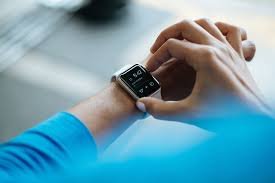
    Smart watches remain the most popular device among the 8,000 survey respondents, with 43% reporting owning one. Other popular devices include smart scales (13%), connected blood pressure cuffs (13%), continuous blood glucose monitors (9%), and smart rings (8%).

    “The next chapter in wearable adoption will be whether wearables remain primarily tools for individual self-optimization, an ‘N of 1’ model, or whether they evolve into infrastructure to improve population health,” the report’s authors wrote.

    83% of respondents reported wearing their device five or more days a week, and of those, 59% wear their device all or almost always, except when charging. Most wearable users track physical activity (35%), sleep (26%), and heart rate (21%).

    Furthermore, 47% of respondents have been using their wearable for more than three years and report that the brand has remained consistent. 48% of respondents said they still use the same wearable they started with, and 27% upgraded their device to a newer model from the same brand. Only 23% of users report switching brands.

    The top wearable brands among respondents are Apple (63%), Fitbit (27%), Samsung (16%), Garmin (8%), and Oura (6%).

    The study found that wearable adoption remains focused on fairly specific user profiles. Compared to non-owners, device owners are generally younger, more affluent, live in urban areas, are healthier, and are more likely to have commercial insurance.

    Device owners are more likely to report their health as “very good” (23%), while non-owners are more likely to report their health as fair, poor, or very poor. “It is paradoxical: the populations that could potentially benefit most from passive monitoring and longitudinal tracking often remain the least likely to own these devices,” the Rock Health researchers wrote.

    “The ability of wearables to scale beyond the relatively healthy and affluent may depend more on regulatory support and price accessibility than on a feature roadmap,” the report’s authors wrote.

    More wearable users are discussing monitoring data with their healthcare providers, with 59% of respondents saying they have talked to their doctor about wearable data, 30% saying they do so regularly, and 29% saying they have done so at least once. 20% would like to discuss their data with their provider but have not done so yet.

    Wearable manufacturers are building more advanced health features that go beyond simple activity tracking and act more like health monitoring devices. Last month, Google announced the new Fitbit Air, a $100 screenless device. Google says Fitbit Air uses high-fidelity sensor technology that enables advanced health and fitness tracking, including 24/7 heart rate, heart rhythm monitoring with Afib alerts, SpO2, resting heart rate, heart rate variability, sleep stages and duration.

    Andy Abramson, head of product at Google Health, said in a blog post that Fitbit Air is aimed at people who find wearable devices too bulky, too complicated, and too expensive. “That’s where Fitbit Air comes in. It’s simple, affordable, and comfortable enough to wear 24/7,” Abramson wrote.

    Fitbit Air users also have access to Google Health Coach, an AI-powered fitness trainer, sleep coach, and health and wellness advisor.

    Smart ring maker Oura has launched a new device it calls “the world’s smallest smart ring” with a host of new health insight features. Oura Ring 5 gives users access to new activity tracking, proactive health, connected health, metabolic health, and other services. Oura’s new health radar builds on the 2024 Symptom Radar and continuously monitors vital signs.

    The company is also partnering with Counsel Health to bring artificial intelligence-powered care directly into the app. According to the announcement, it will initially be available to members in 43 U.S. states.

    As reported by CNBC, fitness wearable Whoop also recently announced a new service for US users that offers on-demand video consultations with licensed clinicians through the app.

    “The question about wearables 10 years ago was whether consumers would adopt them, and they have,” the Rock Health report said. “What remains unresolved is the impact of what these devices can generate and what we can do with this data to meaningfully improve health outcomes.”


    Source link

    Visited 3 times, 3 visit(s) today
    Share. Facebook Twitter Pinterest LinkedIn Telegram Reddit Email
    Previous ArticleNew study questions the idea that psychedelics reduce authoritarian attitudes
    Next Article After decades of cleanup efforts, fish and mussels have returned to these rivers. But a new threat is looming
    healthadmin

    Related Posts

    The Joint Commission launches AI certification program

    June 2, 2026

    Northwell Firearm Injury Risk Screeners on-site at Epic

    June 2, 2026

    Survey investigating clinician and patient attitudes towards AI

    June 2, 2026

    Why Current Health Tech Isn’t Delivering the Results You Expect

    June 2, 2026

    Subtle Medical secures $33M to expand AI layer for imaging

    June 2, 2026

    Noom launches home biomarker test kit for metabolic health monitoring

    June 1, 2026
    Add A Comment
    Leave A Reply Cancel Reply

    Categories

    • Daily Health Tips
    • Discover
    • Environmental Health
    • Exercise & Fitness
    • Featured
    • Featured Videos
    • Financial Health & Stability
    • Fitness
    • Fitness Updates
    • Health
    • Health Technology
    • Healthy Aging
    • Healthy Living
    • Holistic Healing
    • Holistic Health & Wellness
    • Medical Research
    • Medical Research & Insights
    • Mental Health
    • Mental Wellness
    • Natural Remedies
    • New Workouts
    • Nutrition
    • Nutrition & Dietary Trends
    • Nutrition & Superfoods
    • Nutrition Science
    • Pharma
    • Preventive Healthcare
    • Professional & Personal Growth
    • Public Health
    • Public Health & Awareness
    • Selected
    • Sleep & Recovery
    • Top Programs
    • Weight Management
    • Workouts
    Popular Posts
    • 1773313737_bacteria_-_Sebastian_Kaulitzki_46826fb7971649bfaca04a9b4cef3309-620x480.jpgHow Sino Biological ProPure™ redefines ultra-low… March 12, 2026
    • pexels-david-bartus-442116The food industry needs to act now to cut greenhouse… January 2, 2022
    • the-pros-and-cons-of-paleo-dietsThe Pros and Cons of Paleo Diets: What Science Really Says April 16, 2025
    • 1773729862_TagImage-3347-458389964760995353448-620x480.jpgDespite safety concerns, parents underestimate the… March 17, 2026
    • 1773209206_futuristic_techno_design_on_background_of_supercomputer_data_center_-_Image_-_Timofeev_Vladimir_M1_4.jpegMulti-agent AI systems outperform single models… March 11, 2026
    • 1774403998_image_28620e4b6b0047f7ab9154b41d739db1-620x480.jpgGait pattern helps distinguish between Lewy body… March 24, 2026

    Demo
    Stay In Touch
    • Facebook
    • Twitter
    • Pinterest
    • Instagram
    • YouTube
    • Vimeo
    Don't Miss

    Psychologists identify dark traits behind extremist thinking

    By healthadminJune 2, 2026

    Recent research examines how dark personality traits and moral judgments combine to shape the mindset…

    After decades of cleanup efforts, fish and mussels have returned to these rivers. But a new threat is looming

    June 2, 2026

    Survey of wearable trends among US adults

    June 2, 2026

    New study questions the idea that psychedelics reduce authoritarian attitudes

    June 2, 2026

    Subscribe to Updates

    Get the latest creative news from SmartMag about art & design.

    HealthxMagazine
    HealthxMagazine

    At HealthX Magazine, we are dedicated to empowering entrepreneurs, doctors, chiropractors, healthcare professionals, personal trainers, executives, thought leaders, and anyone striving for optimal health.

    Our Picks

    New study questions the idea that psychedelics reduce authoritarian attitudes

    June 2, 2026

    The Joint Commission launches AI certification program

    June 2, 2026

    Engineered stem cell therapy reverses new-onset type 1 diabetes in mice

    June 2, 2026
    New Comments
      Facebook X (Twitter) Instagram Pinterest
      • Home
      • Privacy Policy
      • Our Mission
      © 2026 ThemeSphere. Designed by ThemeSphere.

      Type above and press Enter to search. Press Esc to cancel.