

Close Menu

    Subscribe to Updates

    Get the latest creative news from FooBar about art, design and business.

    What's Hot

    Navigating the Overload: Key Challenges in Medical Research Today

    May 25, 2026

    Scientists discover why some DNA-doubling cells don’t die

    May 25, 2026

    Early pretend play leads to improved mental health years later

    May 25, 2026
    Facebook X (Twitter) Instagram
    Facebook X (Twitter) Instagram
    Health Magazine
    • Home
    • Environmental Health
    • Health Technology
    • Medical Research
    • Mental Health
    • Nutrition Science
    • Pharma
    • Public Health
    • Discover
      • Daily Health Tips
      • Financial Health & Stability
      • Holistic Health & Wellness
      • Mental Health
      • Nutrition & Dietary Trends
      • Professional & Personal Growth
    • Our Mission
    Health Magazine
    Home » News » Scientists discover why some DNA-doubling cells don’t die
    Nutrition Science

    Scientists discover why some DNA-doubling cells don’t die

    healthadminBy healthadminMay 25, 2026No Comments3 Mins Read
    Scientists discover why some DNA-doubling cells don’t die
    Share
    Facebook Twitter Reddit Telegram Pinterest Email


    Every second, countless cells in the human body divide and create new cells. This is one of the most important processes in biology, relying on thousands of molecules working together with incredible precision. However, sometimes the process breaks down in unexpected ways.

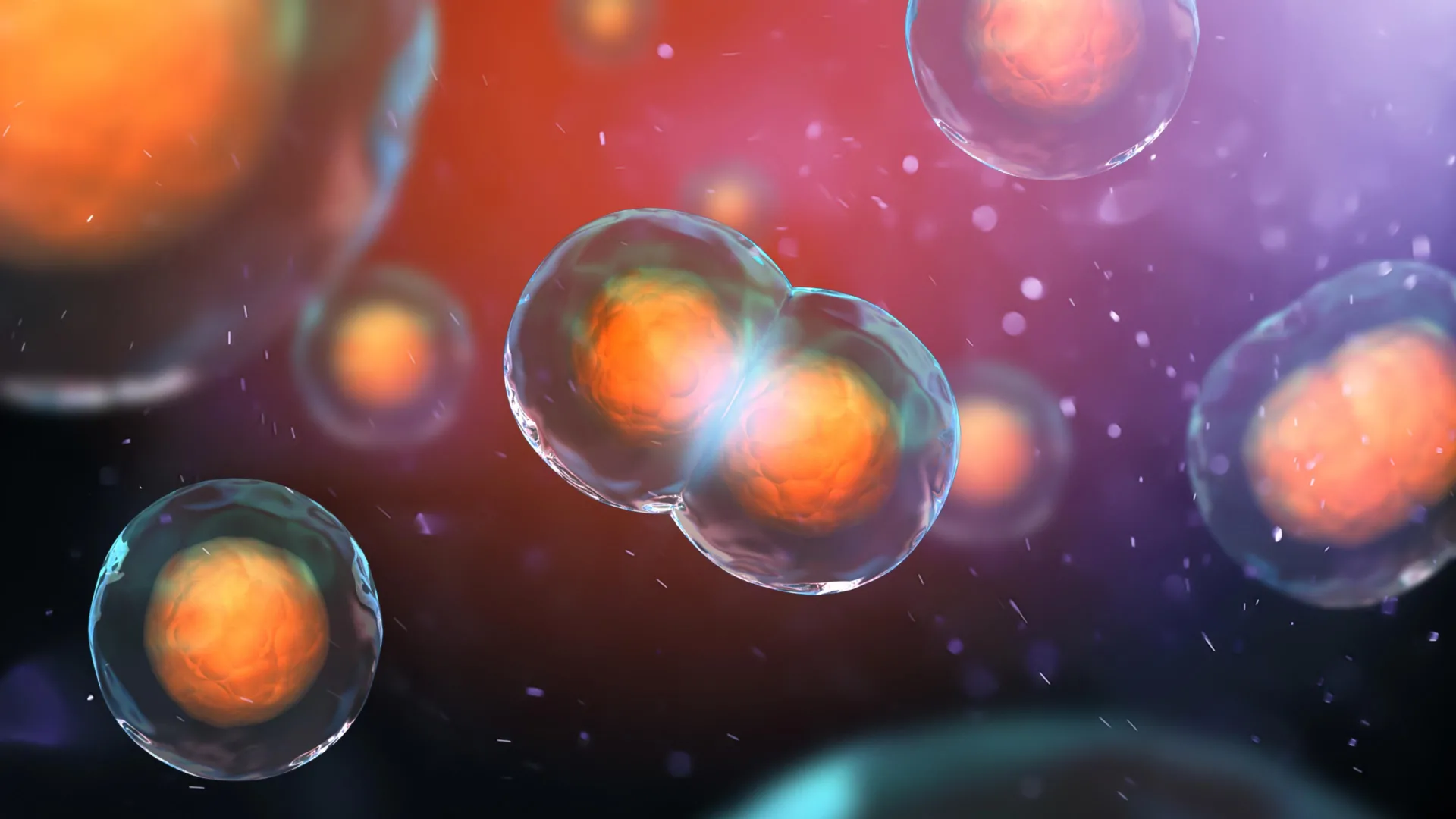
    Before a cell can divide into two separate cells, it must first copy all of its DNA so that each new cell receives a complete genetic blueprint. In some cases, the DNA may be successfully copied but the cell may not fully divide. The result is a single cell containing twice the normal amount of DNA, a condition known as whole genome duplication (WGD).

    To put it simply, it’s like making two copies of a document and accidentally putting both copies in the same folder instead of keeping them separate.

    Scientists have long known that duplication of entire genomes can have serious consequences. Cells with extra DNA can no longer function properly, become inactive, die, transform into other cell types, accumulate age-related damage, and cause diseases such as cancer.

    Two different ways cells can fail

    Researchers at Hokkaido University wanted to understand whether how cells break down during division changes what happens afterwards.

    The research team focused on two main causes of whole-genome duplication: cytokinesis failure and mitotic slippage.

    When cytokinesis fails, the cell completes almost the entire division process, but fails at the final stage of physically dividing into two separate cells. In mitotic slippage, the cell begins the division process, but the cell divides too quickly before the chromosomes are properly separated.

    “Whole-genome duplication occurs through multiple cellular processes, but it was unclear whether differences in the pathways influence the properties of the resulting cells,” says Associate Professor Ryota Uehara, corresponding author of the study.

    Both mistakes double the cell’s DNA, but the researchers found that the results were dramatically different.

    Why do some DNA-doubled cells survive?

    The scientists used live-cell imaging and chromosome-specific labeling techniques to track how cells behave after undergoing whole-genome replication through two different mechanisms.

    Cells created by failed cytokinesis are more stable and more likely to survive. However, cells generated by mitotic slippage often exhibit uneven chromosome distribution and have low survival rates.

    Researchers have found that chromosome composition is a key factor behind these differences.

    In mitotic slippage, chromosomes often divide unevenly, creating severe genetic imbalances and reducing cell viability. In cytokinesis failure, the distribution of chromosomes is more balanced and the cell is more stable.

    The researchers also found that experimentally improving chromosome segregation in cells undergoing mitosis significantly increased cell survival.

    Impact on cancer research

    This discovery could have important implications for cancer treatment and prevention.

    Whole-genome duplications are common in cancer cells, and some cancer treatments can also unintentionally cause them. Cells that survive after acquiring extra DNA can continue to proliferate, potentially contributing to tumor recurrence.

    New research suggests that targeting the chromosome segregation process may help prevent abnormal cells from continuing to survive and proliferate.

    “There are many different mechanisms by which whole-genome duplication occurs, but its clear consequences have been largely ignored,” Uehara says. “We challenged this conventional view by comparing cells formed by different mechanisms and found that these differences can influence cell behavior over time.”


    Source link

    Visited 4 times, 4 visit(s) today
    Share. Facebook Twitter Pinterest LinkedIn Telegram Reddit Email
    Previous ArticleEarly pretend play leads to improved mental health years later
    Next Article Navigating the Overload: Key Challenges in Medical Research Today
    healthadmin

    Related Posts

    Beet juice lowers blood pressure in older adults in just two weeks

    May 25, 2026

    Adorable little blue octopus found 6,000 feet underground in the Galapagos

    May 25, 2026

    Scientists discover hidden liver switch that cuts harmful cholesterol

    May 25, 2026

    Scientists supercharge natural killer cells to fight aggressive cancer

    May 25, 2026

    Scientists ‘recharge’ damaged nerves to relieve chronic pain

    May 24, 2026

    Scientists say domestic cats could help pioneer new cancer treatments for humans

    May 24, 2026
    Add A Comment
    Leave A Reply Cancel Reply

    Categories

    • Daily Health Tips
    • Discover
    • Environmental Health
    • Exercise & Fitness
    • Featured
    • Featured Videos
    • Financial Health & Stability
    • Fitness
    • Fitness Updates
    • Health
    • Health Technology
    • Healthy Aging
    • Healthy Living
    • Holistic Healing
    • Holistic Health & Wellness
    • Medical Research
    • Medical Research & Insights
    • Mental Health
    • Mental Wellness
    • Natural Remedies
    • New Workouts
    • Nutrition
    • Nutrition & Dietary Trends
    • Nutrition & Superfoods
    • Nutrition Science
    • Pharma
    • Preventive Healthcare
    • Professional & Personal Growth
    • Public Health
    • Public Health & Awareness
    • Selected
    • Sleep & Recovery
    • Top Programs
    • Weight Management
    • Workouts
    Popular Posts
    • 1773313737_bacteria_-_Sebastian_Kaulitzki_46826fb7971649bfaca04a9b4cef3309-620x480.jpgHow Sino Biological ProPure™ redefines ultra-low… March 12, 2026
    • pexels-david-bartus-442116The food industry needs to act now to cut greenhouse… January 2, 2022
    • the-pros-and-cons-of-paleo-dietsThe Pros and Cons of Paleo Diets: What Science Really Says April 16, 2025
    • 1773729862_TagImage-3347-458389964760995353448-620x480.jpgDespite safety concerns, parents underestimate the… March 17, 2026
    • 1773209206_futuristic_techno_design_on_background_of_supercomputer_data_center_-_Image_-_Timofeev_Vladimir_M1_4.jpegMulti-agent AI systems outperform single models… March 11, 2026
    • 1774403998_image_28620e4b6b0047f7ab9154b41d739db1-620x480.jpgGait pattern helps distinguish between Lewy body… March 24, 2026

    Demo
    Stay In Touch
    • Facebook
    • Twitter
    • Pinterest
    • Instagram
    • YouTube
    • Vimeo
    Don't Miss

    Navigating the Overload: Key Challenges in Medical Research Today

    By healthadminMay 25, 2026

    Explore the challenges clinical researchers face with data overload, gene therapy, precision medicine, and AI integration in 2026 clinical trials.

    Scientists discover why some DNA-doubling cells don’t die

    May 25, 2026

    Early pretend play leads to improved mental health years later

    May 25, 2026

    Beet juice lowers blood pressure in older adults in just two weeks

    May 25, 2026

    Subscribe to Updates

    Get the latest creative news from SmartMag about art & design.

    HealthxMagazine
    HealthxMagazine

    At HealthX Magazine, we are dedicated to empowering entrepreneurs, doctors, chiropractors, healthcare professionals, personal trainers, executives, thought leaders, and anyone striving for optimal health.

    Our Picks

    Beet juice lowers blood pressure in older adults in just two weeks

    May 25, 2026

    Adorable little blue octopus found 6,000 feet underground in the Galapagos

    May 25, 2026

    New AI model goes beyond standard databases to detect hidden antibiotic resistance genes

    May 25, 2026
    New Comments
      Facebook X (Twitter) Instagram Pinterest
      • Home
      • Privacy Policy
      • Our Mission
      © 2026 ThemeSphere. Designed by ThemeSphere.

      Type above and press Enter to search. Press Esc to cancel.