


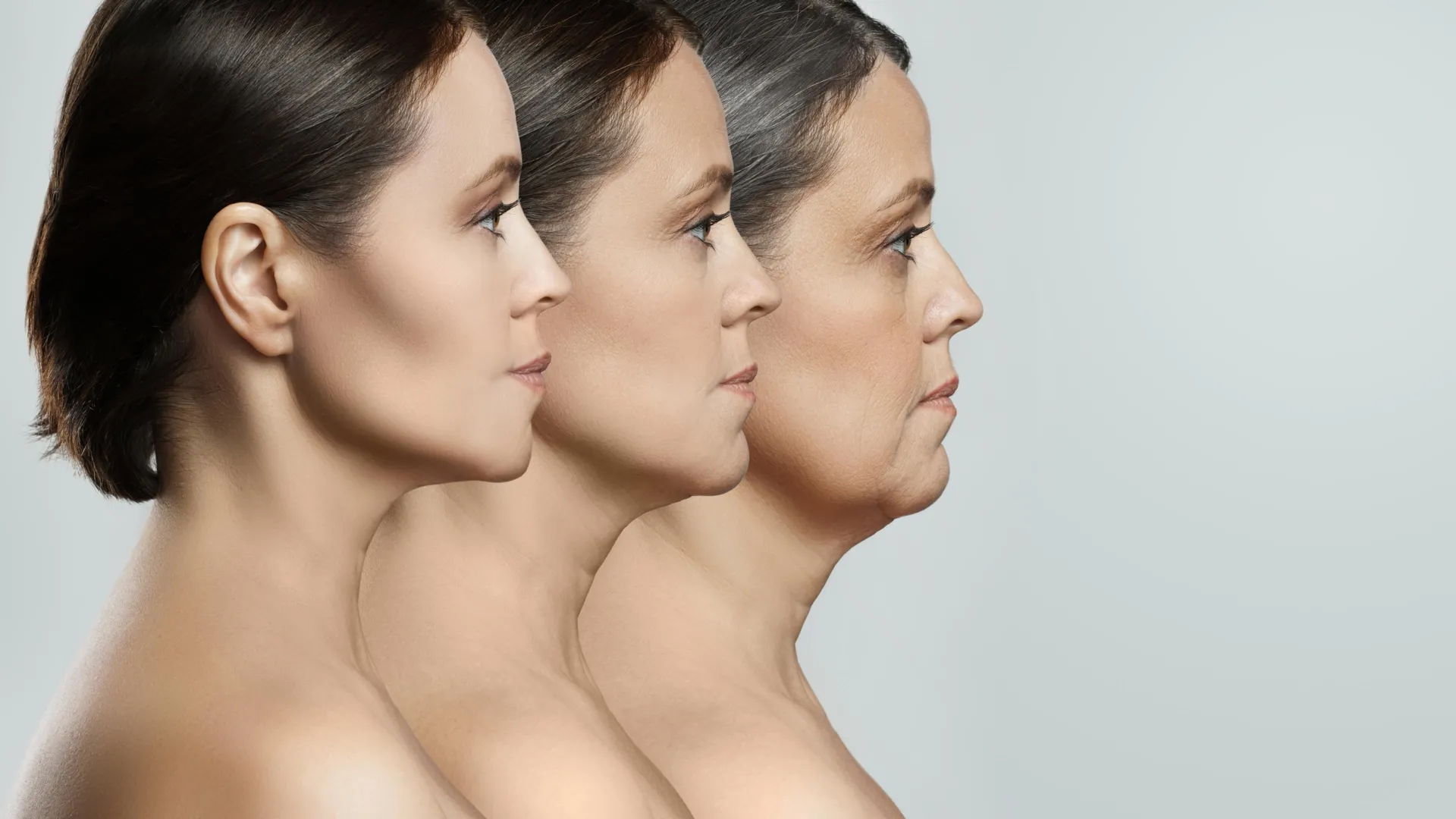
Researchers are offering a new way to understand why aging is so closely linked to chronic disease. In a review published in Aging-United States Scientists from University College London and Queen Mary University of London describe a model, titled ‘Aging as a two-stage multifactorial disease’, that suggests that age-related diseases can develop in two separate but related stages throughout the lifespan.
This review was written by David Gems and Alexander Carver from University College London, and Yuan Zhao from Queen Mary University of London. Their research combines ideas from evolutionary biology and findings from modern biomedical research to explain how early damage in the body later contributes to diseases such as cancer, arthritis, and infections.
How damage early in life shapes health decades later
Researchers say the first stage begins early in life, when the body experiences various forms of perturbation. These may include infections, physical injuries, or genetic mutations. The body is often able to repair or contain most of this damage, but some may not be completely removed and remain hidden.
The second stage occurs later in life when normal gene activity begins to change in ways that are no longer beneficial to the body. These late-life biological changes can weaken the body’s ability to control early damage. As a result, a previously suppressed problem can gradually develop into a disease.
Scientists argue that this process helps explain why many diseases primarily occur in older people, even though their origins may go back much further.
Why diseases such as shingles and arthritis appear with age
This review highlights that aging is a multifactorial process. This means that aging is not caused by a single cause, but by many interacting biological factors. The proposed model suggests that a combination of early damage and late genetic changes plays a major role in age-related diseases.
For example, dormant viruses that remain inactive for years can become reactivated as the immune system weakens with age, causing symptoms such as shingles. Similarly, aging tissues become less elastic over time, so injuries sustained in youth can eventually contribute to osteoarthritis.
Inherited genetic mutations can remain silent for decades, before increasing the risk of diseases such as cancer and fibrosis later in life.
Evolutionary biology and aging research
The researchers say their model is based on long-standing evolutionary theories of aging. One influential idea is that natural selection becomes weaker later in life, allowing harmful biological processes to emerge with age because they have less impact on reproduction and survival early in life.
Research on roundworms is also referenced in this review. Caenorhabditis elegans. These experiments showed that early mechanical damage to C. elegans ultimately leads to fatal infections in old age. Scientists suggest a similar pattern may occur in humans.
A new framework for healthier aging
Overall, this review presents aging as a process shaped by multiple interacting causes that unfold over time. By dividing aging into two major stages: early damage and later genetic activity, the researchers believe their framework could help guide future strategies for disease prevention and healthier aging.
The findings also raise the possibility that mitigating damage early in life or targeting harmful biological changes later in life could help lower the risk of chronic disease in older adults.
