


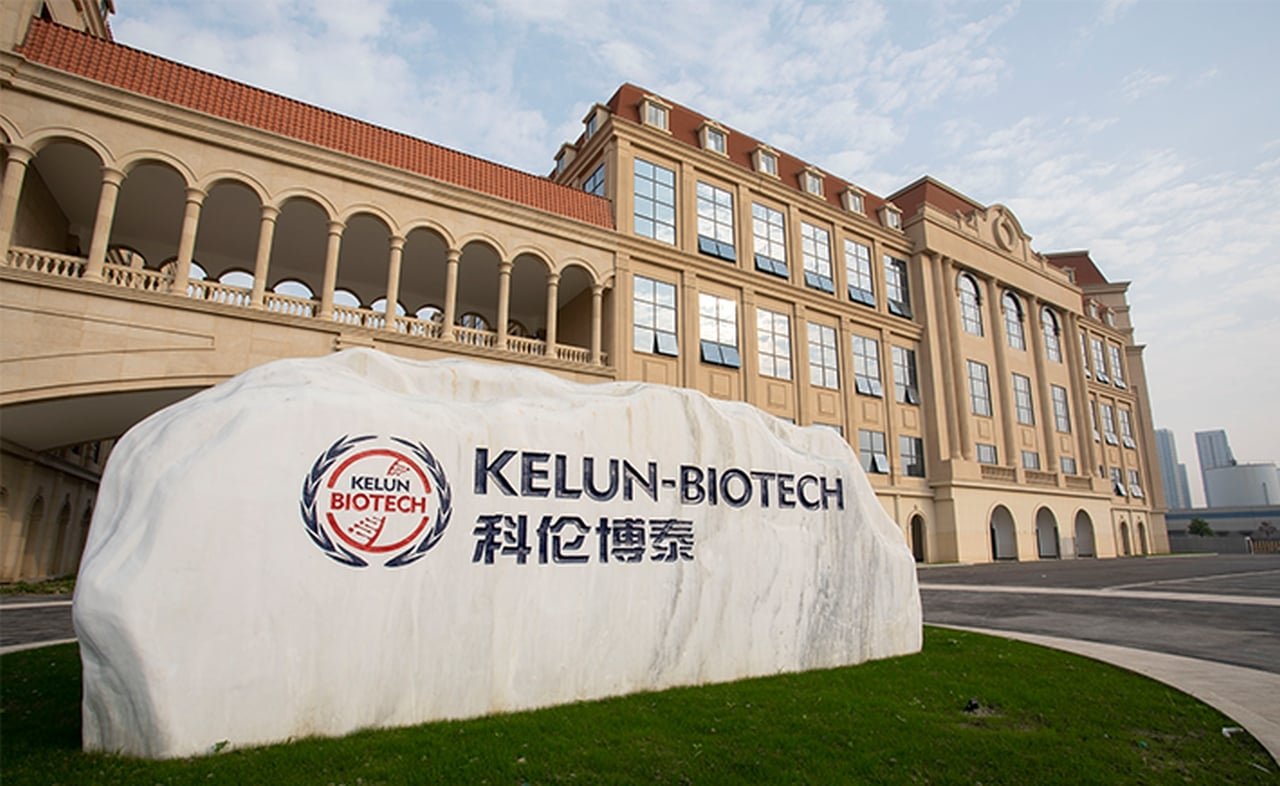
In the past 18 months, Merck and Cologne Biotech have secured four approvals in China for the TROP2-directed antibody-drug conjugate (ADC) sacituzumab tilmothecan (sac-TMT).
And now, after meeting the primary endpoint in a Phase 3 trial in select patients with advanced or recurrent endometrial cancer, the companies are taking steps to obtain approval for sac-TMT in other indications.
In a prespecified interim analysis, sac-TMT resulted in statistically significant and clinically meaningful improvements in overall survival (OS) and progression-free survival (PFS) compared to physician’s choice of doxorubicin or paclitaxel chemotherapy. The study also met a key secondary endpoint, objective response rate (ORR), and enrolled 776 patients with endometrial cancer and carcinosarcoma who had previously received platinum-based chemotherapy and anti-PD-1/L1 immunotherapy, either concurrently or sequentially.
The companies added that this is the first international Phase 3 trial to demonstrate a statistically significant improvement in both OS and PFS compared to chemotherapy in this group of patients.
The safety profile was consistent with previous sac-TMT studies and no new signals were identified. The companies said the data will be presented at an upcoming medical conference and discussed with regulatory authorities around the world.
“Despite recent advances, new options are urgently needed for patients whose disease progresses after treatment with platinum or immunotherapy, and our results demonstrate for the first time that TROP2 ADCs may be an effective option,” Domenica LoRusso, MD, PhD, of Humanitas University, the study’s principal investigator, said in a release.
Since partnering in 2022, Merck and Cologne have built an extensive clinical trial program, including 17 ongoing global Phase 3 trials of sac-TMT. The companies plan to present lung cancer and breast cancer trial results at the American Society of Clinical Oncology annual meeting in Chicago later this month.
Merck received the Secretary’s National Priority Voucher (CNPV). This will significantly reduce the FDA’s review time for sac-TMT after the company applies for approval.
Merck’s efforts come as it prepares for the loss of exclusivity (LOE) of cancer powerhouse Keytruda, which accounted for nearly half of the company’s $16.3 billion in sales in the first quarter of this year, at the end of this decade.
Merck is making a comeback in the ADC space led by TROP2. Gilead first entered the market in 2020 with its blockbuster product Trodelvy, followed by AstraZeneca and Daiichi Sankyo last year with Datroway.
“Merck is positioning its next cancer drugs and broader pipeline to offset the expected Keytruda LOE,” Citi analyst Jeffrey Meacham said in a note to clients. “In our view, this continues to be a headwind, but the impact will diminish over time with continued (business development) and positive clinical catalysts.”
The first approval of sac-TMT in China was in November 2024 for third-line triple-negative breast cancer, followed by two approvals for non-small cell lung cancer and one for HER+/HER2 breast cancer.
