


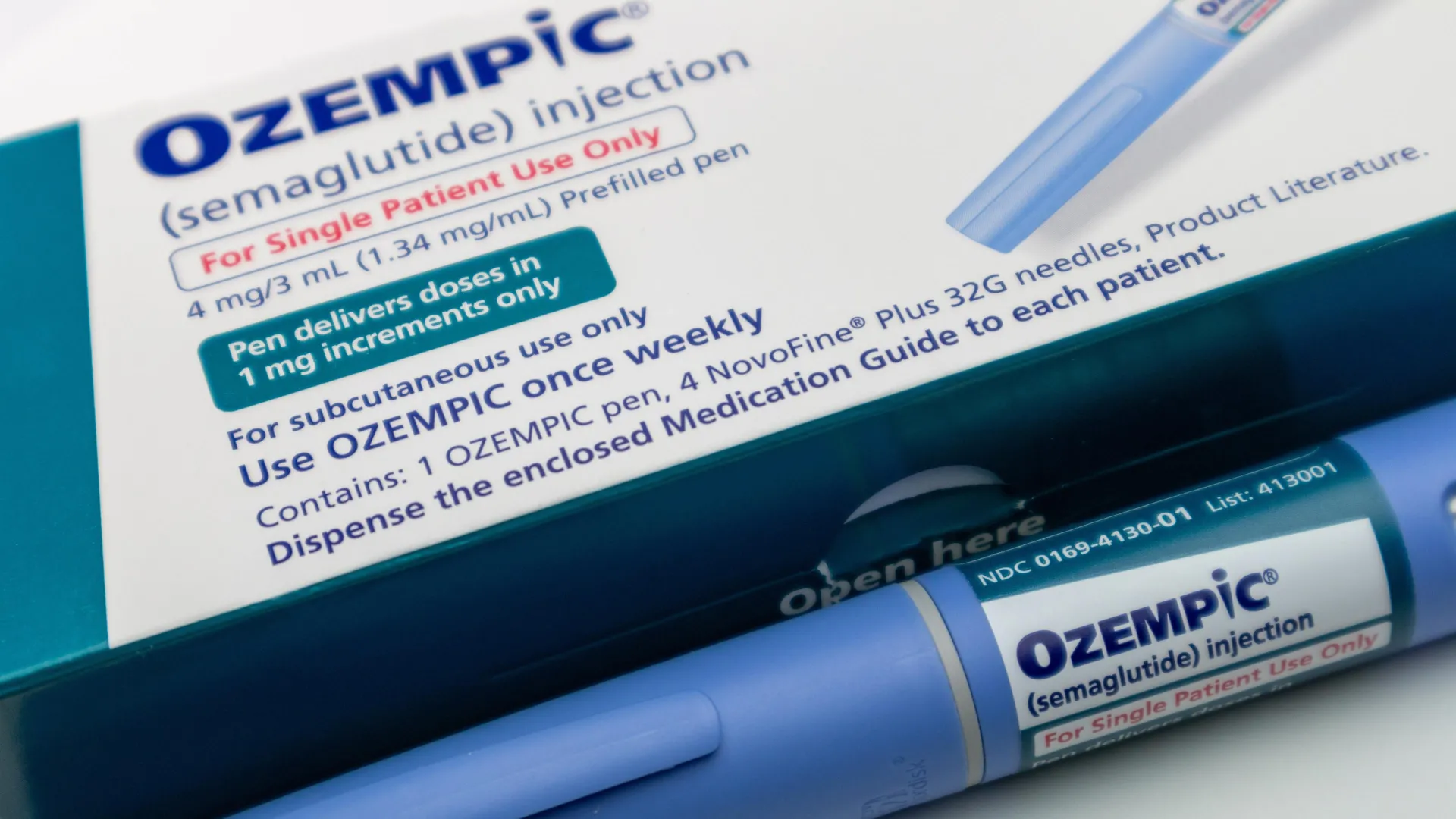
A new analysis of the STEP trial suggests that semaglutide, the active ingredient in popular weight loss and diabetes drugs Wegovy and Ozempic, remains effective and generally safe for obese adults over 65. Researchers found that older adults taking the obesity medication once a week experienced significant weight loss and improvements in several important health measures, similar to results seen in the broader STEP clinical trial population.
The study was led by Professor Luca Busetto from the University of Padova in Italy, along with colleagues including researchers from Novo Nordisk, the manufacturer of semaglutide and sponsor of the study.
Testing semaglutide in the elderly
Obese older adults are considered medically vulnerable because they often have multiple health conditions and frailty, which may increase their risk of adverse events (AEs). Researchers say there is still limited information about how glucagon-like peptide-1 (GLP-1) receptor agonists, such as semaglutide, work in this age group.
To better understand the drug’s effects, researchers analyzed data from the STEP 1, 3, 4, 5, 8, and 9 trials. This analysis included only obese or overweight people without diabetes. This is because weight loss outcomes in obesity drug trials are typically lower in diabetic patients, making direct comparisons difficult.
Participants were aged 65 years or older, had a BMI of at least 30 kg/m2 or at least 27 kg/m2, and had at least one obesity-related comorbidity (without diabetes). They were randomly assigned to receive either semaglutide 2.4 mg or a placebo. All participants also received a lifestyle intervention, but STEP 3 participants received more intensive behavioral therapy.
Researchers evaluated results over 68 weeks. These include changes in cardiometabolic risk factors such as body weight, waist circumference, waist-to-height ratio (WHtR), BMI category, blood pressure, cholesterol, blood fats, blood sugar levels, and hs-CRP. Adverse events (AEs) were also monitored.
Significant weight loss and improved health
Of the total study population (N=4523), 358 participants aged 65 years and older were included in the analysis. Of these, 248 received 2.4 mg of semaglutide and 110 received a placebo. Most participants (90%) were between 65 and 74 years of age, and the remainder were 75 years of age or older.
The average age of participants at the start of the study was 69 years. The average weight was 99.0 kg, the average BMI was 36.6 kg/m2, and the average waist circumference was 115 cm. 72% of participants were women.
By week 68, participants receiving semaglutide had an average weight loss of -15.4% compared to -5.1% in the placebo group. Waist circumference also decreased more rapidly with semaglutide, decreasing by an average of -14.3 cm compared to -6.0 cm with placebo.
The proportion of participants who achieved major weight loss milestones was also much higher in the semaglutide group. 66.5% of semaglutide participants achieved at least 10% weight loss, compared with 15.5% of those receiving placebo. For weight loss of at least 15%, the numbers were 46.8% vs. 6.4%, with 28.6% of semaglutide users losing at least 20% of their body weight versus 2.7% in the placebo group.
Improving BMI and cardiometabolic health
Researchers also found significant improvements in waist-to-height ratio and BMI category among semaglutide users.
In the semaglutide group, 11.3% achieved a WHtR <0.53 compared with 4.5% in the placebo group. More participants who received semaglutide also moved into a healthier BMI category over the course of the study (see full figure summary).
A BMI of less than 27 kg/m2 (so-called healthy weight) was achieved in 27.0% of participants taking semaglutide, compared to 5.5% of participants taking placebo. The proportion of participants classified as overweight or obese classes I, II, and III all decreased in the semaglutide group as more people reached a healthier weight range.
For participants who achieved both BMI ≤27 and WHtR <0.53, these values were 10.5% vs. 2.7%, respectively.
The semaglutide group also showed significant improvements in cardiometabolic risk factors (see full summary in table), including blood pressure, cholesterol, blood fats, and glycated hemoglobin (HbA1c – a measure of glycemic control used to diagnose diabetes).
Safety survey results and side effects
Overall rates of adverse events (AEs) were similar between groups, affecting 89.1% of semaglutide participants and 84.5% of placebo participants. However, serious adverse events were more frequently reported in the semaglutide group, occurring in 19.0% of participants compared to 12.7% in the placebo group.
Constipation and dizziness, known side effects associated with this type of drug, were more common with semaglutide. The incidence of fractures and hypoglycemia was similar between groups, with less than 1% of participants in each group affected.
Dr. Bussetto concluded, “In this analysis of obese people aged 65 years and older, semaglutide reduced body weight and improved cardiometabolic risk factors compared with placebo. Additionally, the safety and efficacy profile of semaglutide was consistent with that reported in the STEP program.”
He added: “In many countries, including many high-income countries, the majority of overweight cases actually occur in adults over 65 years of age, making it a major contributor to obesity-related complications and an important cause of poor quality of life and disability. Our results support the use of semaglutide in this patient population.”
