


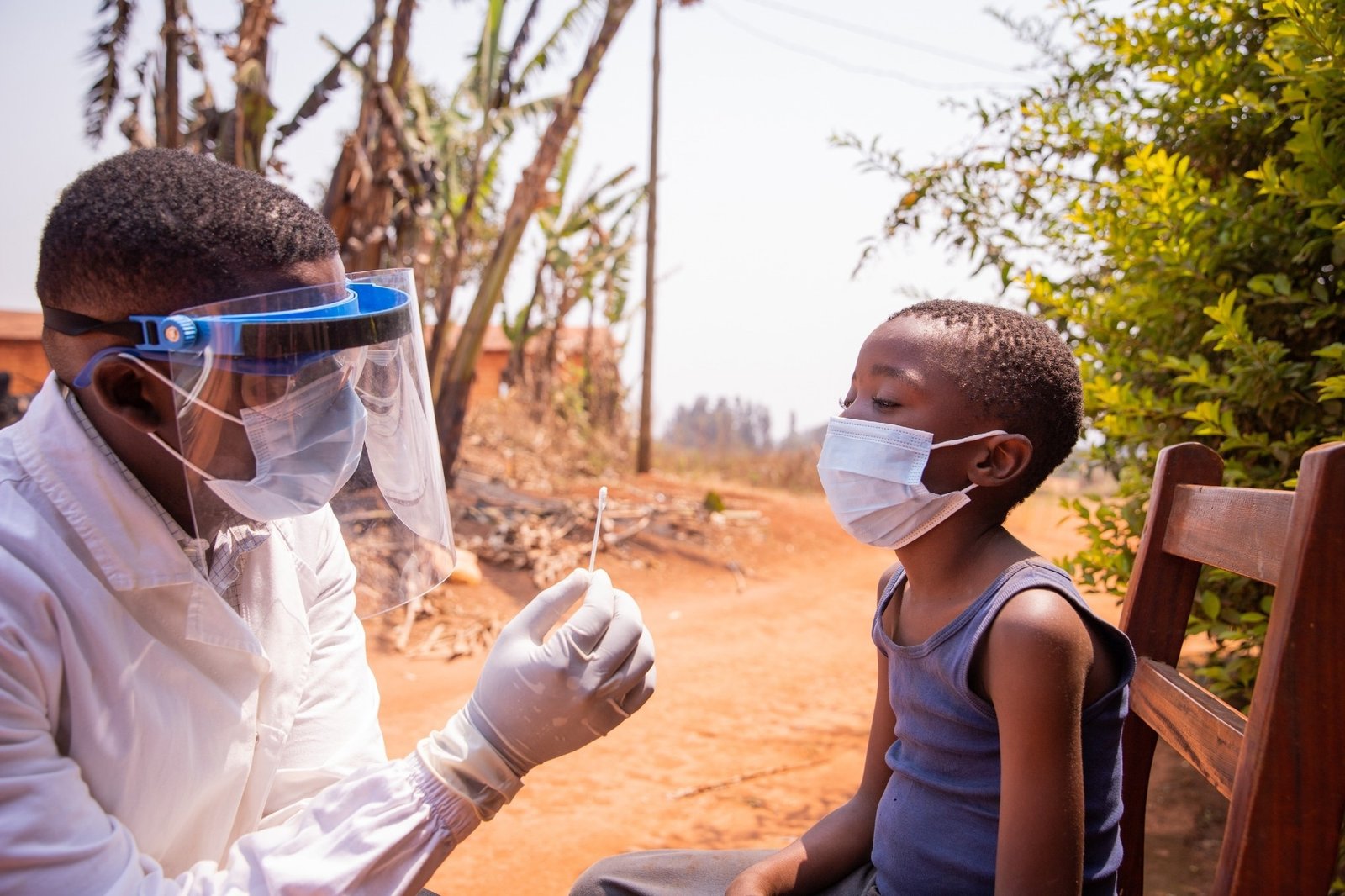
The fast, low-cost device detects tuberculosis from sputum and tongue swabs with high accuracy, raising hopes for easier diagnosis in areas where access to a laboratory remains a major barrier.
 Research: Pulmonary tuberculosis detection with MiniDock MTB using swab samples. Image credit: Media Lens King / Shutterstock.com
In a recent prospective study published in New England Medical JournalHere, researchers discuss the accuracy and ease of use of the MiniDock MTB. This portable device accurately diagnoses pulmonary tuberculosis in diverse and demanding environments.
The hidden burden of undiagnosed tuberculosis
Tuberculosis (TB) remains the leading cause of infection-related death worldwide, killing more than 1 million people each year. Current estimates suggest that 25% of adults and 50% of children (representing approximately 3 million people worldwide) are unknowingly infected with tuberculosis, further contributing to the widespread transmission of this highly infectious disease.
Despite recent advances, there is still a lack of rapid and accurate tools for use at the near point of care, which exacerbates these problems. Traditional diagnostic methods often require specialized testing equipment, trained personnel, and long processing times, all of which delay timely diagnosis and treatment.
Portable TB test designed for low resource environments
To alleviate these challenges, Guangzhou Plus Life Biological Technology has developed MiniDock MTB, a molecular diagnostic test., When combined with the portable, battery-powered MiniDock PM001 Ultra test device, it can detect Mycobacterium tuberculosis complex. This low-cost platform relies on RNase hybridization-assisted amplification technology targeting the IS6110 insertion sequence and conserved regions of the gyrB gene.
In this cross-sectional study, researchers evaluated the diagnostic performance and applicability of the final clinical version of the MiniDock MTB in seven high-burden countries, including Nigeria, India, South Africa, the Philippines, Vietnam, Zambia, and Uganda. All study participants were 12 years of age or older with a probable history of pulmonary tuberculosis between September 2024 and March 2025.
Targets include having a cough or worsening cough lasting at least 14 days and the presence of risk factors such as an abnormal chest radiograph or elevated C-reactive protein (CRP) levels in patients with human immunodeficiency virus (HIV) infection. Sputum and tongue swab samples were collected for MiniDock MTB testing, and blood samples were collected for HIV and diabetes screening.
The diagnostic performance of the MiniDock MTB test was evaluated in comparison to a reference standard. Test results were compared to smear microscopy and polymerase chain reaction (PCR)-based data using the Xpert MTB/RIF Ultra.
Ease of use was assessed on a scale of 0 to 100 by direct observation during simulated usage sessions in healthcare facilities in India and South Africa. Clinicians, nurses, and laboratory personnel involved in routine TB care participated in these assessments.
MiniDock MTB delivers fast and accurate tuberculosis detection
Of the 1,380 enrolled participants, 44% were women with a median age of 41 years, 19% had HIV infection, 16% had a cultured diagnosis of tuberculosis, and 14% had diabetes. Tuberculosis prevalence varied widely by site, from 4.8% in India to 28% in Nigeria, with higher bacterial loads observed at sites in Africa compared to Asia.
The MiniDock MTB test showed a sensitivity of 86% and 80% for sputum and tongue samples, respectively, and a similarly high specificity of approximately 98% for both sample types.
MiniDock MTB outperforms smear microscopy by 24 points for sputum and 18 points for tongue swab, matching the accuracy benchmarks for decentralized TB testing set by the World Health Organization (WHO). Sensitivity was high for smear-positive cases but correlated with slightly lower sensitivity for samples taken from women and HIV-infected individuals, a pattern consistent with known diagnostic challenges in bacillary diseases.
Combining sputum and tongue swab samples further improved sensitivity to 88% and specificity to 97%. Repeated testing did not provide any additional benefit in assay performance, and no adverse events were reported.
The median usability score for the system was 75, and 94% of healthcare professionals found the test acceptable. Specifically, users reported that the test is easy to operate, given its compatibility with non-invasive sampling, and is appropriate even with limited training and in resource-limited settings.
conclusion
MiniDock MTB is a low-cost, portable TB diagnostic tool that provides highly accurate results in 12-25 minutes. Compared to traditional molecular assays, MiniDock MTB enables decentralized testing with minimal training and expands access to timely diagnosis.
The outstanding performance of the MiniDock MTB supports continued efforts to accelerate the deployment of rapid molecular testing based on endo-TB strategies. Nevertheless, additional studies are needed to evaluate the practical implementation and integration with drug resistance testing.
