


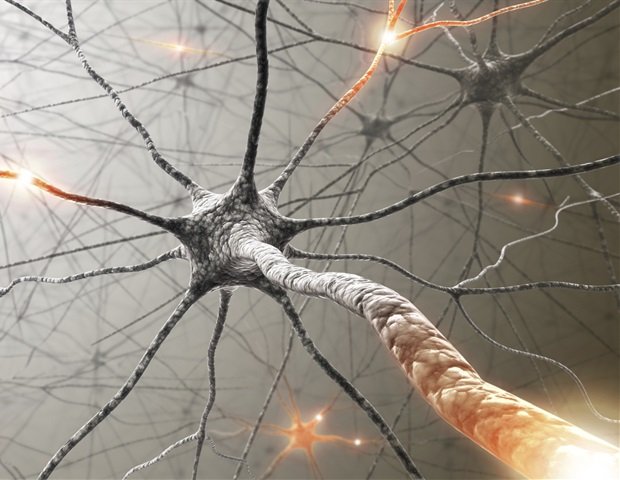
Tumors do not only communicate with immune cells, blood vessels, and stromal tissue. Increasing evidence suggests that cancers may co-opt the nervous system and reshape the tumor microenvironment in ways that support proliferation, invasion, immune escape, and treatment resistance. A new review has been published the study The paper, by researchers from Zhejiang Provincial People’s Hospital and partner institutions, focuses on the interaction between peripheral nerves and cancer and proposes a three-dimensional framework for understanding this emerging field.
The peripheral nervous system includes the sympathetic, parasympathetic, intestinal, and sensory pathways. Under normal physiological conditions, these nervous systems help regulate organ function, tissue repair, pain, immune balance, and local homeostasis. However, tumors can take advantage of these features. This review argues that nerve-cancer interactions should not be understood solely as tumor invasion of nerves. Instead, it involves a wide range of processes by which tumors remodel nerves, replenish neural inputs, induce neurological deficits, and hijack neural circuits that extend beyond the local tumor site.
The first dimension of the framework concerns pathological phenotypes. This review organizes peripheral nerve-cancer interactions into perineural invasion, tumor neurogenesis and innervation, cancer-induced neuropathy, and long-range neuromodulation. Perineural invasion is a well-known route of tumor spread and is often associated with aggressive disease and poor prognosis. Tumor innervation refers to the growth or remodeling of nerve fibers within the tumor microenvironment, allowing nerves to release neurotransmitters and neuropeptides that shape tumor and immune behavior. Cancer-induced neuropathy highlights how tumors can damage nerves even in the absence of direct invasion, while long-range neuromodulation shows how cancers co-opt neural circuits between the brain-body or organs to reshape immunity and metabolism.
The second dimension focuses on cellular components. Although nerves act directly on tumor cells, they can also indirectly regulate cancer through Schwann cells, enteric glial cells, macrophages, T cells, fibroblasts, endothelial cells, and other stromal and immune intermediates. This review also expands the field by discussing neuronal mimicry, where cancer cells or cancer stem cells acquire neuron-like properties. In such cases, even if classical nerve fibers are not the sole source of neuron-like signaling, tumors may use neurotransmitter-related or electrophysiological programs to promote proliferation, invasion, immunosuppression, or therapeutic resistance.
The third dimension deals with the mode of communication. Neurotumor signaling occurs through diffuse biochemical communication involving neurotransmitters, neurotrophic factors, neuropeptides, cytokines, chemokines, and extracellular vesicles. These signals may be slower and more persistent, shaping the local tumor ecosystem over time. Recent discoveries have added a faster and more spatially accurate layer. Functional synapses or pseudosynapses may form between neurons and tumor cells, and tunneling nanotubes may allow neurons to transfer organelles such as mitochondria to cancer cells. These findings move the concept of tumor innervation from simple anatomical proximity to active functional transmission.
This review also highlights that nerve-cancer interactions are shaped by patient and environmental factors. Psychological stress, positive emotional states, environmental temperature, pain, microbiota, aging, obesity, smoking, diet, exercise, and circadian rhythm disturbances can all influence neural signaling in the tumor microenvironment. For example, chronic stress may increase sympathetic output and enhance tumor innervation, whereas cancer-related pain may actively participate in tumor progression through sensory neuroimmune pathways rather than serving only as a symptom.
On the therapeutic side, this review discusses denervation, neurotransmitter blockade, inhibition of neurotrophic signaling, combined neuroimmune therapy, psychosocial intervention, and cancer pain management. Strategies targeting several β-adrenergic and neurotrophic pathways are already in clinical or translational evaluation, but this paper cautions that neural targeting is highly context-dependent. The same neural pathways can have different effects depending on tumor type, neural subtype, receptor profile, and immune status. Therefore, the broader significance of this review is not to propose a single universal treatment, but to stratify neural cancer mechanisms and provide a framework for developing more precise neurally targeted cancer treatments.
sauce:
Science and Technology Review Publishing
Reference magazines:
Xiao, F. Others. (2026). Interactions between peripheral nerves and cancer in the tumor microenvironment. the study. DOI: 10.34133/research.1221. https://spj.science.org/doi/10.34133/research.1221
