


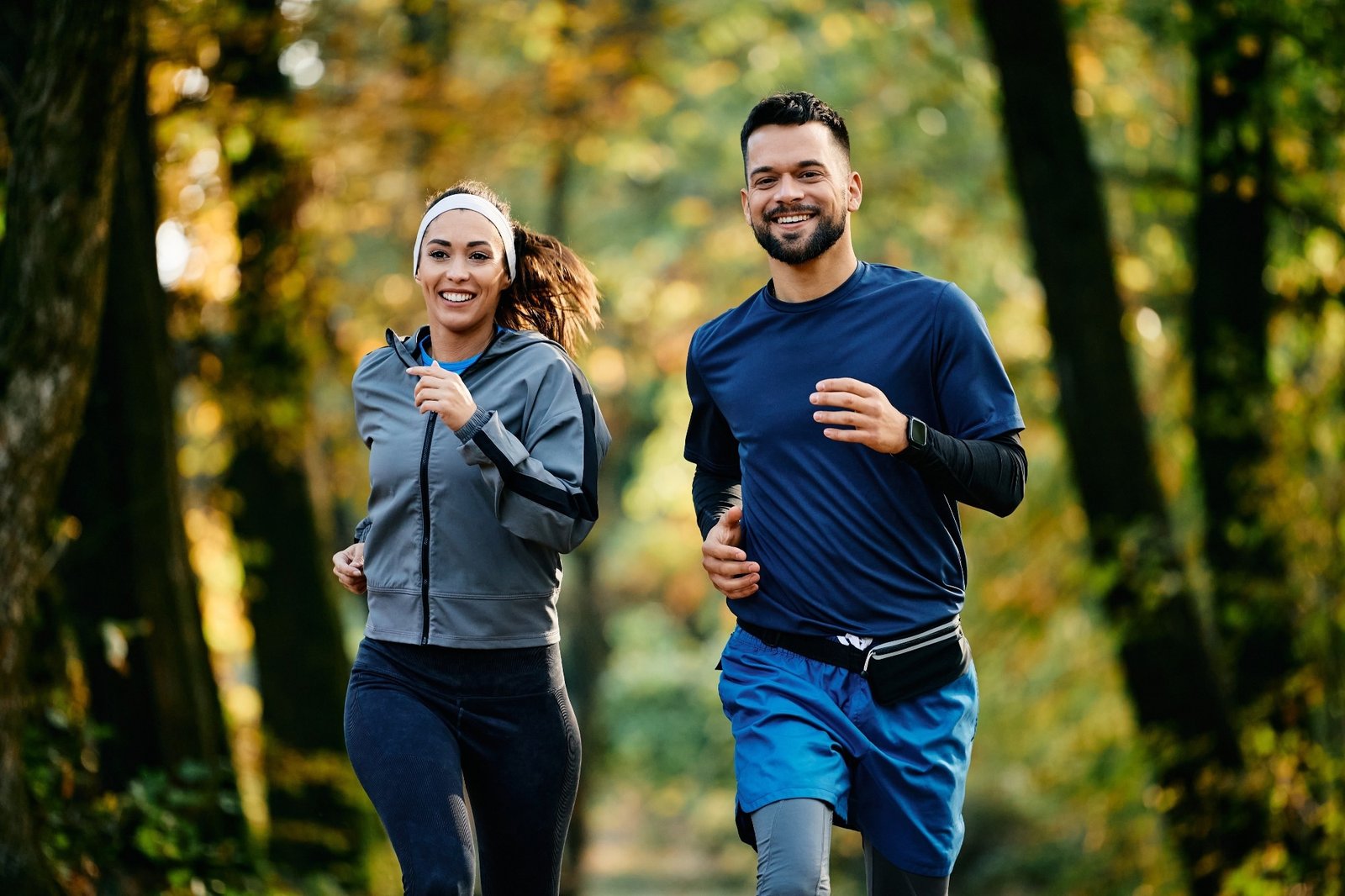
A 20-minute cycling session increased heart rate and caffeine increased physiological arousal, but neither was apparent to protect young people from mental fatigue after a demanding cognitive task.
 Study: Differential effects of caffeine, acute aerobic exercise, and placebo on mental fatigue. Image credit: Drazen Zigic / Shutterstock.com
In a recent study published in PLoS One, researchers compared the effects of caffeine and aerobic exercise on mental fatigue in adults.
Can you restore your mental energy with a short workout without caffeine?
Mental fatigue can disrupt cognitive processes such as decision-making, memory, attention, planning, and inhibitory control. Caffeine acts on the central nervous system (CNS) through adenosine receptor antagonism and reliably reduces mental fatigue. Importantly, caffeine use can cause dependence and side effects, highlighting the need for alternative approaches to reduce mental fatigue.
Acute aerobic exercise improves cognitive function and reverses caffeine withdrawal symptoms. However, its effect on mental fatigue is still unclear. Recent research suggests that short periods of aerobic exercise may reduce mental fatigue. In contrast, prolonged periods of 45 to 60 minutes of moderate to high intensity exercise can lead to mental fatigue and impaired executive function.
To date, short, moderate-intensity exercise has been shown to improve subsequent inhibitory control without affecting mental fatigue resilience. Notable limitations of this study include the lack of a comparator, which would require further research comparing the effects of aerobic exercise and other factors, such as caffeine intake, on fatigue.
Measuring mental fatigue using cycling and cognitive tests
In the current study, researchers evaluated the effects of caffeine, placebo, and acute aerobic exercise on mental fatigue in adults ages 18 to 30 with daily caffeine intakes of 150 to 500 mg. Exclusion criteria included pregnancy, marijuana, tobacco, or other recreational drug use, color blindness, contraindications to exercise, and people taking medications for chronic health conditions.
Throughout the study period, participants refrained from drugs, alcohol, strenuous physical activity, and caffeine until they completed three experimental sessions. At the first visit, study participants completed several questionnaires regarding their caffeine intake habits, caffeine withdrawal symptoms, readiness for physical activity, and leisure-time exercise. Visual analog fatigue and energy scales were used along with heart rate (HR) and blood pressure measurements.
After completing a psychomotor alertness task (PVT), participants were assigned to either an acute aerobic exercise group, a caffeine intake group, or a placebo group. The acute aerobic exercise group participated in 20 minutes of active cycling.
In the caffeine condition, an oral caffeine solution containing 2.5 mg/kg body weight was administered, followed by a 20-min rest period. By comparison, the placebo condition required participants to ingest a color-matched cornstarch and water solution and then rest for 20 minutes.
After treatment, a Stroop task was performed to induce mental fatigue, followed by a second PVT. Subjective mental fatigue, blood pressure, and heart rate were assessed at baseline and during treatment and fatigue induction.
Cognitive fatigue increases despite exercise and caffeine use
Visual analog energy and fatigue scales reflected subjective mental fatigue, whereas PVT performance indicated objective mental fatigue. Questionnaires, PVT, physiological measures, and Stroop tasks were assessed using repeated measures analysis of variance. Data from the Stroop task and physiological measurements were analyzed to determine whether participants exerted cognitive and physical effort, respectively.
The study recruited 26 participants, 14 of whom were female, with an average age of 23 years and a caffeine intake of 331.9 mg per day. Physiological measurements such as blood pressure and heart rate increased as expected under caffeine and exercise conditions, but remained stable among those taking the placebo.
Stroop task results showed that all study participants experienced greater subjective mental fatigue, regardless of treatment condition. Similarly, no significant differences were observed in subjective or objective measures of mental fatigue.
The current study has several limitations, including the lack of post-treatment measurements of mental fatigue and the lack of assessment of electroencephalography (EEG) and heart rate variability, which could provide physiological insight. Mental fatigue was induced using only a 30-min Stroop task. Therefore, future studies using a wider range of cognitive tasks and durations should be conducted to identify the most effective approaches.
Additional limitations include limited nutritional control, dependence on self-reported caffeine intake and sleep habits, and the potential influence of caffeine taste on participant bias. Additionally, this study primarily included young, highly educated, and active adults, highlighting the need for additional studies with more diverse populations to ensure the generalizability of the results.
