


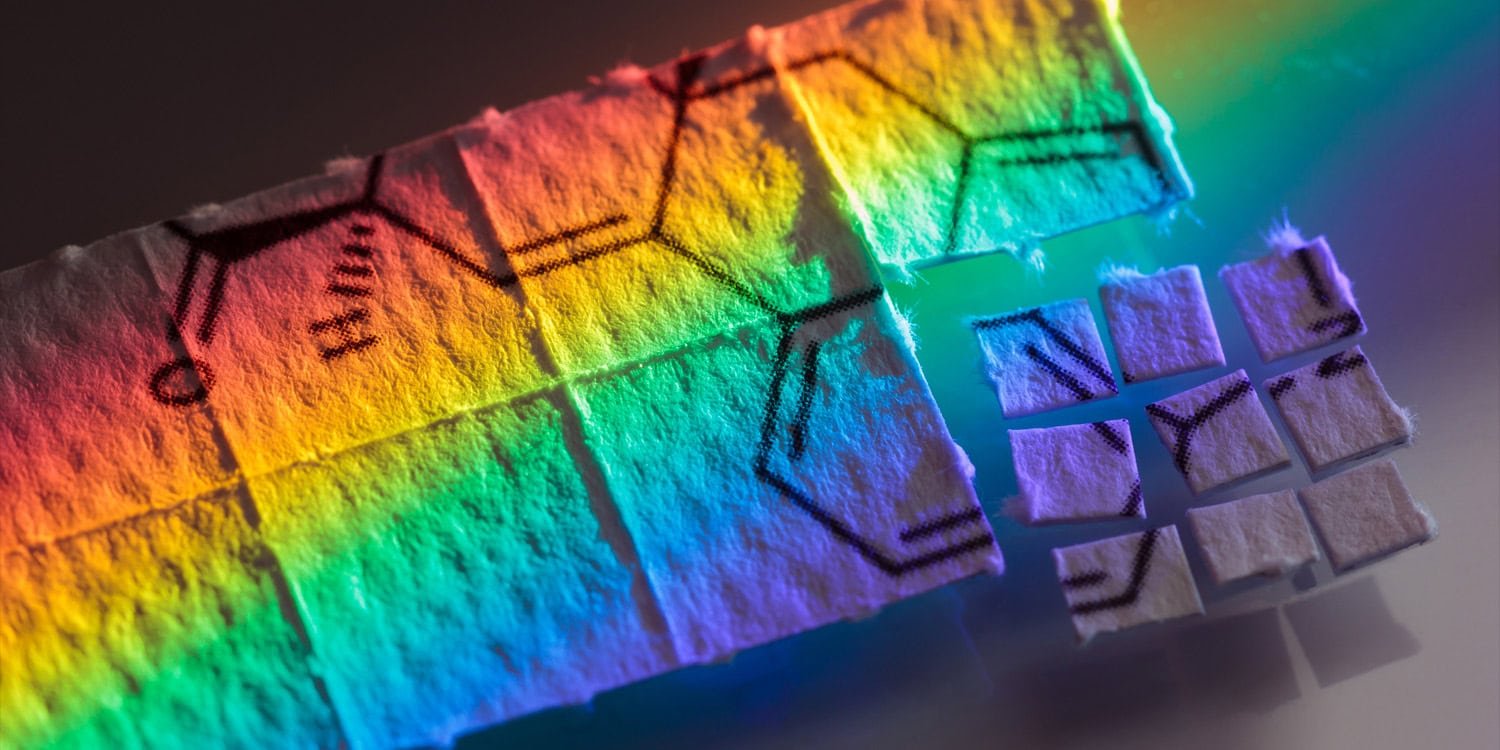
People who have been diagnosed with major depressive disorder may experience a temporary high when they take small, frequent doses of the hallucinogen lysergic acid diethylamide (LSD). In a small pilot study, participants who took low doses accurately reported feeling more energized, more creative, and more connected on the days they took the drug. The study was published in the journal Advances in neuropsychopharmacology and biological psychiatry.
Classic psychedelic compounds such as LSD are known to cause significant changes in perception when taken in large doses. For decades, strict legal regulations have largely halted clinical research on these substances. Recently, there has been a resurgence of scientific interest, and a practice called microdosing is gaining popularity worldwide.
This practice involves ingesting extremely small amounts of psychedelic substances. The amount is high enough to potentially change brain chemistry, but low enough to avoid causing hallucinations or severe cognitive impairment. Many people practice microdosing on themselves to self-treat mental health conditions, especially depression.
Despite widespread anecdotal reports of psychological benefits, clinical trial data evaluating microdosing remains limited. Previous tests on healthy volunteers suggest that low doses of LSD can rapidly improve mood and increase sociability. This led researchers to investigate whether similar acute mood elevations occur in people who are actively experiencing depression. Dimitri Dardegan-Bueno, a pharmaceutical researcher at the University of Auckland in New Zealand, led the study along with several colleagues.
Major depressive disorder is a leading cause of disability worldwide. Symptoms go beyond sadness and include loss of interest in pleasurable activities, fatigue, and loneliness. Standard psychiatric treatments often take several weeks to become fully effective and do not reduce symptoms in everyone. New research suggests that activating specific serotonin receptors in the brain with psychedelic drugs may promote flexibility in brain signaling and provide a new approach to treatment.
To test this approach, the researchers enrolled 19 adults, all of whom met diagnostic criteria for major depression. They received an eight-week treatment plan. The first session took place in a clinical laboratory. Participants were given a dose of exactly 8 micrograms of liquid LSD in sublingual form. For sublingual administration, hold the liquid under your tongue for about 30 seconds before swallowing.
During this first session, the scientists took multiple blood samples over a six-hour period. This process allowed the research team to track the drug’s pharmacokinetics. Pharmacokinetics is a branch of pharmacology that focuses on how the body absorbs, distributes, and removes drugs from the bloodstream.
In the next phase of the trial, participants took the medication home. They took the sublingual solution twice a week for the remaining eight weeks, for a total of 15 home administrations. At home, I was able to slowly increase and decrease the amount of medication I took. The drug’s tolerance was strictly limited to 4 to 20 micrograms.
To determine an individual’s ideal dosage, participants answered daily questions on a customized smartphone application. If they felt that the drug was interfering with their daily life, they were asked to reduce the dose next time. If you do not feel any psychological effects, you can slightly increase the dosage during your next scheduled session.
The smartphone program also tracked various psychiatric indicators. Each night, participants completed a short questionnaire assessing the quality of their sleep the night before. They rated their mental state using a visual analog scale. A visual analog scale is a measurement tool that asks users to indicate their level of agreement along a continuous line, rather than making strict multiple choice choices. Within the program, participants rated how connected, creative, energetic, happy, irritable, and nervous they felt that day.
Looking at the data over eight weeks, daily mood improved in a specific pattern. On any given day of microdosing, participants recorded higher levels of creativity, energy, and social connectedness compared to the day immediately after ingestion. On the first and second day of taking the drug, participants reported an increased sense of well-being. Additionally, hypersensitivity scores decreased 2 days after ingestion.
These rapid improvements in mood could theoretically counter some of the core symptoms of major depressive disorder. A common feature of depression is anhedonia, an inability to feel pleasure or find motivation to participate in social activities. When patients feel a temporary increase in creative energy and social connectedness, they are more likely to engage in positive social behavior. Engaging in challenging activities creates a positive feedback loop that gradually improves your depressed mood.
Despite these daily mood improvements, the daily depression questionnaire used in the app did not yield statistically significant changes based on dosing schedule. Researchers suspect this is a measurement problem. The specific questionnaire they used asked participants to rate their symptoms of depression over the past three days. They filled this out daily, resulting in duplicate responses and difficulty in isolating the effects of a single dosing date. A separate formal clinical interview conducted at the end of the entire trial showed an average reduction in depression severity of 60 percent across the group.
Laboratory blood analysis has provided detailed data on how the human body processes small doses of this particular substance. On average, the drug reached peak blood concentrations just over an hour after sublingual administration. This timing roughly coincides with the onset of psychological effects reported by participants.
Pharmacokinetic data also revealed individual differences in how drugs are metabolized. When researchers compared blood test results with home dose adjustments, they noticed a physiological pattern. Participants who naturally processed the drug faster and had lower peak concentrations in their blood were more likely to gradually increase their home doses over eight weeks.
Conversely, people with high blood levels of standard laboratory doses tended to keep their home doses low. This suggests that participants were successfully adjusting their drug intake to achieve consistent subjective effects, supplementing their own internal metabolism.
Daily surveys asked participants to rate the strength of the drug’s effects across 15 home sessions. Participants did not report that they felt the drug’s effects became less or stronger over the eight weeks. This discovery is noteworthy in pharmacology. Many psychiatric drugs cause tolerance, where the brain adapts and requires more of the drug to achieve the same effect. Other drugs cause sensitization and reactions become stronger with repeated use. This study showed that the perceived effects remained completely stable and there was no rapid tolerance or sensitization with repeated administration of low doses of the drug.
Although these results may seem promising in the field of psychiatric research, there are important limitations in the study design. It was an uncontrolled, open-label pilot study. All participants knew that they had been diagnosed with depression and were receiving LSD. In psychiatric research, participants’ expectations often have a significant impact on reported outcomes. Participants hoping for relief from depression may unconsciously report feeling better simply because they believe the treatment is working.
This psychological phenomenon is known as the placebo effect. Without a control group given an inert substance for comparison, scientists cannot clearly separate the chemical effects of a drug from the psychological effects of receiving a new treatment. The excitement of participating in a supportive clinical trial can elevate a person’s mood, independent of the pharmacological intervention.
Furthermore, the demographics of the group were limited. The trial involved just 19 people, most of whom turned out to be men. Larger sample sizes are needed to confirm that these behavioral patterns apply to the general adult population. Most participants were also taking standard prescription antidepressants, meaning the drug’s effects were interacting with their existing medications.
Because of these limitations, the research team emphasized that these findings must be considered strictly exploratory. This data successfully demonstrated that patients can safely administer their own microdosing regimens at home with remote monitoring. However, randomized double-blind trials are required to prove the clinical efficacy of this treatment. In future studies, researchers plan to compare active drug and placebo groups. Only then can scientists determine whether trace amounts of psychedelics are a true medical asset in the treatment of major depressive disorder.
The study, “LSD Microdosing for Major Depressive Disorder: Mood and Pharmacokinetic Results from a Phase 2a Trial,” was authored by Dimitri Daldegan-Bueno, Carina Joy Donegan, Rachael Sumner, Anna Forsyth, Soo Hee Jeong, William Evans, Malak Alshakhouri, Robin J. Murphy, Lisa Reynolds, Nicholas Hoeh, and Nathan. Allen, Frederick Sundrum, David B. Menkes, and Suresh Muthukumaraswamy.
