


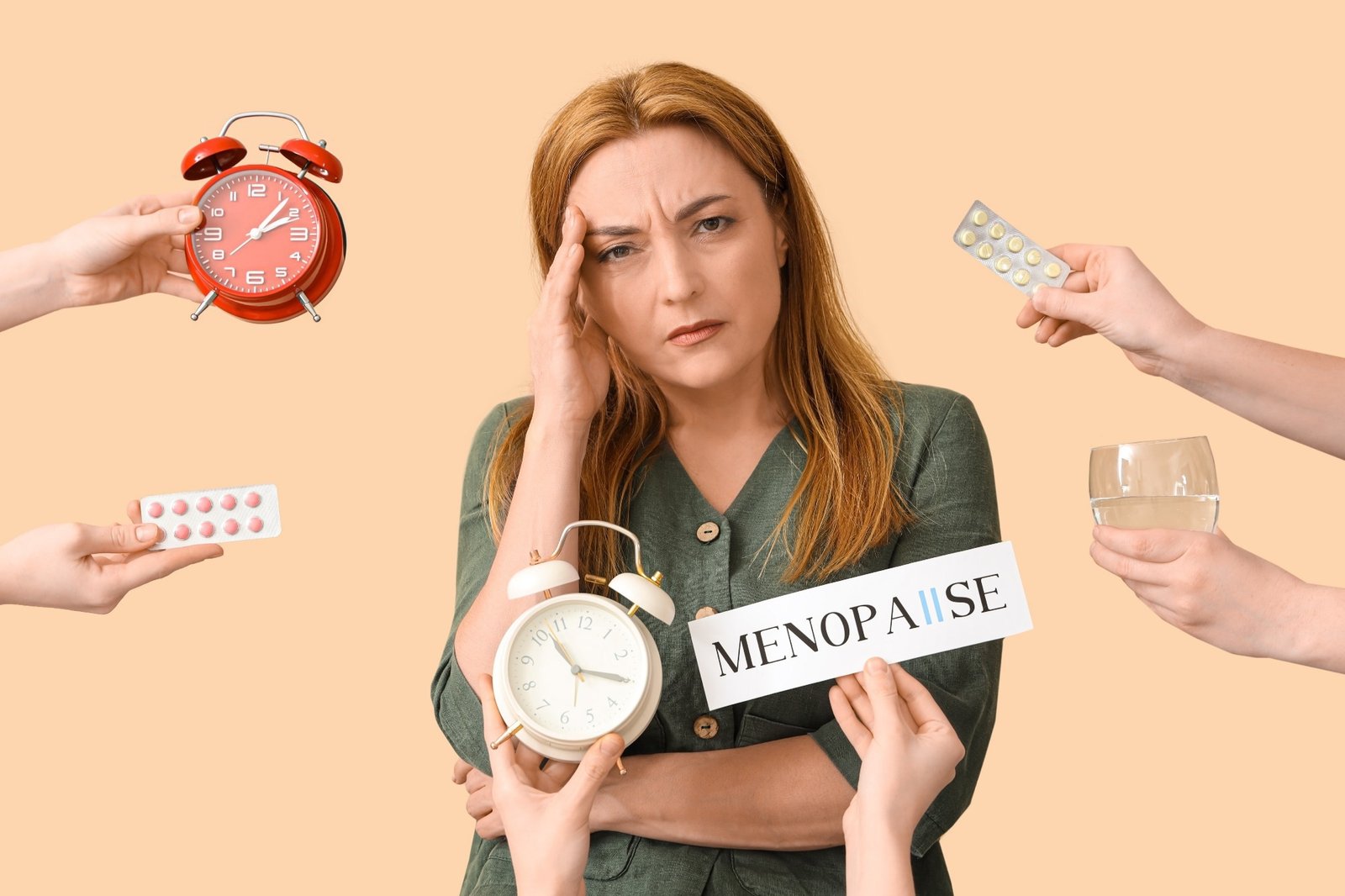
In this interview, news medical talk to Dr. Katie BarberAbout , Clinical Director, General Practitioner, Registered BMS Menopause Specialist, Oxford Menporest menopausethe influence of Vasomotor symptomsthe role of non-hormonal therapy like fesoline tanto Contribute to improving patient care.
 Image credit: Pixel-Shot/Shutterstock.com
Hot flashes and night sweats are often dismissed as a normal part of menopause. What do people misunderstand about these symptoms, and how can effective treatment change patients’ daily lives?
One of the biggest misconceptions is that hot flashes (vasomotor symptoms) and night sweats are just “uncomfortable” and don’t significantly impact your daily life. In fact, for approximately 25-30% of women, these vasomotor symptoms can be severe and debilitating. Up to 75-80% of women experience this symptom at some point during menopause.
Its effects extend far beyond the symptoms themselves. They can disrupt your sleep, affect your relationships, reduce your motivation to exercise, and influence your food choices. When these symptoms are effectively managed, patients often experience better sleep quality, reduced anxiety and brain fog, and an improved overall sense of well-being.
Why is NICE’s recommendation of non-hormonal treatment options like fezolinetant a meaningful step for people experiencing moderate to severe symptoms?
NICE’s recommendations are a major step forward, expanding the treatment options available to women. Many patients have traditionally been told that if hormone replacement therapy is not suitable for them, there are no alternatives.
This decision emphasizes the importance of personalized care. This will enable clinicians and patients to make informed decisions based on individual needs, preferences, and clinical circumstances, which are essential to managing menopause.
What is menopause?play
Video credit: NIHAging/Youtube.com
From a clinical perspective, who is most likely to benefit from this treatment?
Fesolinetant is particularly beneficial for women who cannot undergo hormone replacement therapy due to medical contraindications or personal choice. Until now, these people have had limited access to approved treatment options.
From a clinical perspective, the UK treatment landscape also includes off-label prescribing. However, the NICE Clinical Knowledge Summary guidance is clear that selective serotonin reuptake inhibitors (SSRIs), serotonin and norepinephrine reuptake inhibitors (SNRIs), or clonidine should not be routinely offered as first-line treatment for vasomotor symptoms alone.
Having fesolinetant as an option allows clinicians to better tailor menopausal care. It supports a more individualized approach and ensures that treatment decisions are made in line with each patient’s specific needs and circumstances.
Download the full interview for free and learn how new treatments are changing menopause care
Fesolinetant works differently than hormone therapy. How would you briefly explain how it works?
Fesolinetant works by targeting systems in the brain that regulate body temperature, rather than replacing hormones. During menopause, hormonal changes such as estrogen can overstimulate certain signals in the brain, causing hot flashes and night sweats.
This treatment blocks one important signal known as neurokinin B, allowing the body to more effectively regulate body temperature. For patients who cannot or do not want to use hormones, this offers a completely different and targeted approach.
What are the most important results from the SKYLIGHT clinical trial?
The SKYLIGHT Phase 3 program included a large, global, randomized, placebo-controlled trial involving thousands of participants. This extensive dataset increases confidence that the results are applicable to real-world clinical settings.
The trial demonstrated that fezolinetan significantly reduced both the frequency and severity of vasomotor symptoms compared to placebo. Improvements were seen as early as the first week and were maintained over 52 weeks.
These studies also showed that the treatment was generally well-tolerated and provided encouraging safety data, highlighting the importance of liver function monitoring as a preventive measure.
Fesolinetan requires liver function monitoring. How should I communicate this to the patient?
It is important to reassure patients that monitoring is a routine precaution and does not indicate that a problem is to be expected. Many pharmaceutical products require similar testing.
Patients should understand that liver function tests (done as blood tests) will be performed before treatment begins, monthly for the first 3 months, and then as clinically appropriate. This allows clinicians to detect and manage potential changes early.
How quickly will patients who have struggled with other treatments notice improvement?
Because the frequency and severity of hot flashes and other menopausal symptoms experienced vary widely, the success rate of treatment is highly individual. Clinical trial data shows that many women begin to notice improvement in their symptoms within the first week of treatment. A reduction in both the frequency and severity of symptoms is usually evident by the fourth week.
Further improvement is often seen by week 12, with many patients experiencing continued reduction in both the number and intensity of symptoms, suggesting that benefits may be cumulative over the first few months of treatment.
Ultimately, treatment success varies from person to person, but generally means symptoms are manageable enough for the woman to go about her daily life. This may include helping someone improve their relationships, stay at work, regain motivation to exercise, or make healthier food choices.
 Image credit: Monkey Business Images/Shutterstock.com
What needs to happen at system level to ensure equal access to menopause care across the NHS?
Although great strides have been made in menopause care across the UK, access remains uneven and often depends on where someone lives and the individual’s willingness to access local services. This is unacceptable for something that affects such a large portion of the population. We need clear, nationally consistent clinical pathways, along with better education and practical guidance, to enable all health professionals to provide high-quality, evidence-based care.
For fesolinetant, it is essential to be able to prescribe it in primary care. This reflects how menopause treatments, including HRT, are already managed across the NHS. Restricting access to specialist institutions risks widening inequalities and delaying treatment. More broadly, we need to be bolder and use this as a catalyst for broader change, moving menopause care to community settings where large numbers of patients can be effectively managed.
In my own experience in Oxfordshire, primary care menopause services led by experts from the British Menopause Society have significantly reduced referrals to secondary care and reduced waiting times from up to nine months to just four to eight weeks. This kind of model shows what is possible. We must now move to consistent, high-quality menopause care from excellent communities for all women, no matter where they live.
What are the key messages you want patients to take away from this NICE recommendation?
NICE’s recommendations recognize that these conditions are real, devastating and debilitating and deserve effective treatment options. This reflects growing awareness of the impact menopause has on quality of life and confirms the experiences of those who feel underserved.
My key message is that menopause care is moving towards greater choice and individualization, which all women deserve.
Click here to download your PDF copy.
Where can our readers find more information?
About Dr. Katie Barber
Dr Katie Barber is a practicing GP who has been providing clinical care and teaching in Oxfordshire since 2006. She is also a published academic and experienced educator, supporting both health professionals and the general public across the UK.
Dr. Barber aspired to work in women’s health after completing her general medicine training in gynecology. She achieved an Advanced Certificate in Menopause Care from the School of Sexual and Reproductive Medicine and the British Menopause Society in 2019 and is registered as a Menopause Specialist with the British Menopause Society.
From 2019 to 2021, Dr Barber was Clinical Lead for the NHS Menopause Service at the John Radcliffe Hospital in Oxfordshire. She then became Clinical Lead for the NHS Regional Gynecology Service in Oxfordshire and continues to work as a GP in Women’s Health and as a specialist in menopause.
Dr. Barber also has a personal motivation to work in menopause care after witnessing her mother’s experience with breast cancer-induced menopause. She describes how her mother suddenly fell into dire straits:
She was a dedicated professional, always proud of her role, and perfectly dressed every morning. But before she could even get out the door, a flush hit her and she was back in the shower two minutes later. It was a frustrating cycle and she felt completely lost. In the 1990s and early 2000s, there was little discussion about menopause.
source:
References:
- National Institute for Healthcare Excellence (NICE) (2026). Fesolinetant treats moderate to severe vasomotor symptoms caused by menopause (Technical Assessment Guidance TA1143). Available: https://www.nice.org.uk/guidance/ta1143/documents/674 (accessed 29 April 2026).
- National Institute for Health and Care Excellence (NICE) (2015, updated 2026). Menopause: Identification and Management (NG23): Recommendations. Available at: https://www.nice.org.uk/guidance/ng23/chapter/recommendations (accessed 29 April 2026).
-
ClinicalTrials.gov (2019). A study to investigate whether fezolinetant can help reduce moderate to severe hot flashes in menopausal women (Skylight 1). ClinicalTrials.gov Identifier: NCT04003155. Available from: https://clinicaltrials.gov/study/NCT04003155 (Accessed: April 29, 2026)
