


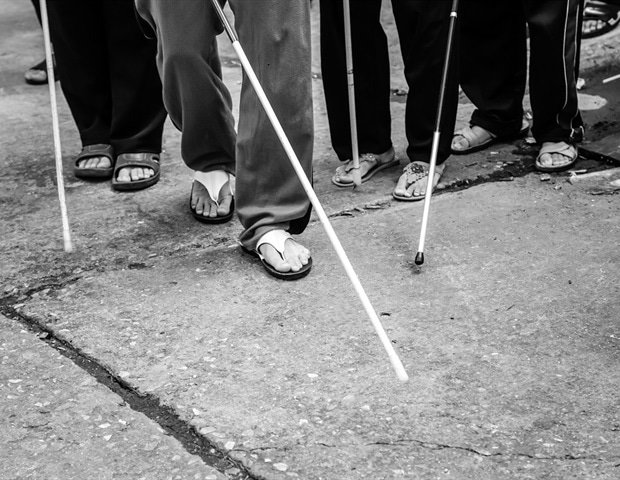
The World Health Organization (WHO) has confirmed that Australia has eliminated trachoma as a public health problem, marking an important milestone in the global effort to improve the health of indigenous peoples and combat neglected tropical diseases (NTDs). Trachoma, the world’s leading infectious cause of blindness, is no longer a public health problem in this country.
Australia joins a growing number of countries that have successfully eliminated trachoma and is contributing to global progress towards the targets set in the WHO NTDs Roadmap 2021-2030.
trachoma is caused by bacteria chlamydia trachomatis It is spread by close contact with infected people, contaminated surfaces, and flies that carry secretions from the eyes and nose. Repeated infections can cause scarring of the eyelids, causing the eyelashes to turn inward and, if untreated, can eventually lead to blindness.
WHO Director-General Dr Tedros Adhanom Ghebreyesus said: “WHO congratulates Australia on this important achievement.” “This success reflects our continued efforts, strong partnerships, and focus on reaching those most affected by health inequities. It brings us closer to a world without suffering caused by trachoma.”
Australia’s journey to exclusion
Australia’s achievements reflect decades of public health work specifically targeted at remote Aboriginal and Torres Strait Islander communities, where trachoma persisted despite its early disappearance from other parts of the country.
In 2006, the National Trachoma Control Program was established to strengthen national efforts. The program implemented SAFE strategies recommended by the WHO: surgery for trichiasis, antibiotics to treat infections, promotion of facial cleanliness, and environmental remediation. Regular screening of all communities classified as at risk for trachoma by a team of qualified health workers formed an important part of the program. The intervention was delivered through a coordinated partnership between federal and state governments, Aboriginal community-managed health services, and local communities.
Continuous screening, treatment, and prevention efforts, including improvements in housing, water, and sanitation, have steadily reduced the prevalence of trachoma over time. Australia’s approach included adaptations to reflect its context, such as targeted treatment based on community-level data rather than mass drug administration, and strong integration with environmental health programs.
“Eliminating trachoma is a victory for the eye health of communities across Australia, especially those whose lives are affected by a completely preventable disease,” said Mark Butler, Australia’s Minister for Health and Ageing. “This major milestone is thanks to Aboriginal and Torres Strait Islander leadership, community commitment and decades of sustained investment.
“Lessons from this research will inform how we approach other preventable health conditions in remote and regional Australia. Aboriginal community managed health organizations and local health workers have been central to this success, providing culturally safe care and community-led solutions.”
This assessment from the World Health Organization reflects decades of work led by Aboriginal community-controlled health organizations, along with local health workers in remote Indigenous communities. Their work is critical to eliminating trachoma as a public health problem in Australia. ”
Marandiri McCarthy, Australian Minister for Indigenous Affairs
Promoting global efforts against neglected tropical diseases (NTDs)
Trachoma is one of 21 diseases and disease groups considered NTDs by the WHO. NTDs affect more than one billion people worldwide, primarily affecting underserved populations with limited access to essential services such as clean water, sanitation, and healthcare.
Australia’s elimination of trachoma as a public health problem highlights the importance of sustained political commitment and cross-sector collaboration to address the fundamental determinants of health. It also highlights that trachoma can be eradicated even in geographically challenging environments.
In addition to trachoma, Australia has several endemic NTDs, including Buruli ulcer, leprosy, and scabies. The validation of trachoma elimination as a public health issue marks the first time WHO has confirmed the elimination of NTDs in Australia, making Australia the 63rd country in the world and 16th in the Western Pacific region to have eliminated at least one NTD.
“Tackling neglected tropical diseases in the Western Pacific region has been a long-standing challenge for countries across the socio-economic spectrum, given the complexities of reaching the most vulnerable communities, including in remote areas,” said Dr. Saia Mau Piukala, WHO Regional Director for the Western Pacific. “As a doctor from Tonga, I have experienced these challenges firsthand. But I also know, as other countries in the region have demonstrated, success is possible with a strategic approach, supported by optimal resources and partnerships in the health sector. I commend Australia on eliminating trachoma as a public health problem and urge all involved to remain vigilant to ensure this remains the case.”
WHO continues to support countries in their efforts to eliminate trachoma and other NTDs, ensuring that progress reaches those most in need, is maintained through strong surveillance, is properly integrated into national health systems, and mainstreamed in the broader health sector and beyond.
sauce:
world health organization
