

Close Menu

    Subscribe to Updates

    Get the latest creative news from FooBar about art, design and business.

    What's Hot

    Subtle changes in daily routines may signal Alzheimer’s risk years before memory loss

    April 30, 2026

    Surge in brain-attacking autoantibodies linked to early coronavirus pandemic

    April 29, 2026

    Teladoc Health’s first quarter sales fell 2%, but outlook ‘remains positive’

    April 29, 2026
    Facebook X (Twitter) Instagram
    Facebook X (Twitter) Instagram
    Health Magazine
    • Home
    • Environmental Health
    • Health Technology
    • Medical Research
    • Mental Health
    • Nutrition Science
    • Pharma
    • Public Health
    • Discover
      • Daily Health Tips
      • Financial Health & Stability
      • Holistic Health & Wellness
      • Mental Health
      • Nutrition & Dietary Trends
      • Professional & Personal Growth
    • Our Mission
    Health Magazine
    Home » News » Cells filter physical forces based on duration to detect disease
    Discover

    Cells filter physical forces based on duration to detect disease

    healthadminBy healthadminApril 29, 2026No Comments3 Mins Read
    Cells filter physical forces based on duration to detect disease
    Share
    Facebook Twitter Reddit Telegram Pinterest Email


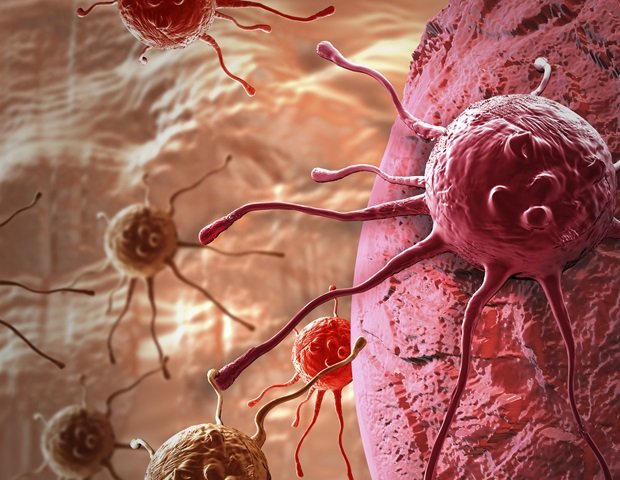
    Scientists have discovered how cells decide when to respond to physical forces, potentially opening new avenues for combating diseases such as cancer and fibrosis.

    The study, led by researchers at King’s College London and the Catalan Institute of Bioengineering (IBEC), revealed that cells in the body not only sense force, but also measure how long the force lasts before deciding to act.

    In doing so, they outline a timing mechanism that allows cells to ignore short-term mechanical stimuli while responding to sustained changes, a process important in disease progression.

    In daily life, cells are exposed to various mechanical signals. Tissues in organs such as the lungs, heart, and bladder are constantly subjected to fast, repetitive forces such as from breathing, heartbeat, and bladder emptying, while processes such as wound healing and tumor growth cause slower, sustained changes.

    Cells must continually interpret these physical forces along with chemical signals from their surroundings. Although scientists have long understood how cells respond to chemical cues, little was known about how cells process mechanical signals over time.

    Researchers now believe that cells use “low-pass filters” to screen out short-term disturbances, but respond to sustained long-term changes.

    Professor Pere Roca-Cuzax, senior author of the paper, principal investigator in the Cellular and Molecular Mechanical Biology Group at IBEC and full professor at the Faculty of Medicine and Health Sciences at the University of Barcelona (UB), explains:

    ”Imagine you’re driving down the highway and hear a loud noise coming from next to you. You’ll probably react quickly because it could be dangerous. But if you hear a small unusual noise coming from your engine, you might ignore it unless it continues for a while. Cells face similar challenges. You need to decide which signals are important and when to respond to them.”

    The researchers discovered that for this mechanism, cells rely on structures called fibrillar adhesions, which are specialized contact points that allow cells to physically grasp their surroundings and transmit mechanical forces into the interior of the cell.

    These structures help to “hold” the cell nucleus in a deformed state even after the force disappears, allowing the signal to persist for about an hour. It is held in place by a network of fibers called vimentin, which maintains its effectiveness over time. When this system is disrupted, cells lose the ability to “retain” mechanical signals and respond much more quickly, but with reduced selectivity.

    In fact, this creates a biological filter. Temporary forces are ignored, while sustained forces cause a reaction. Many important processes depend on this timing, including the activity of the cancer-associated protein YAP.

    This research not only explains how cells and tissues work, but also this temporal element that we first investigated has great implications for the future of therapy.


    Many diseases, including cancer and fibrosis, involve long-term changes in tissue stiffness and mechanical forces. Understanding how cells interpret the role these complex mechanical signals play in disease progression may allow researchers to design better treatments in the future. ”


    Dr Amy Beadle, Lecturer in Biophysics at King’s University and lead author of the study

    The findings also indicate that this mechanism helps protect cell nuclei from damage under physical stress.

    The research team now aims to further investigate how this timing mechanism works in complex tissues and disease environments where mechanical changes are a key part of disease progression.

    sauce:

    Reference magazines:

    Beadle, AEM, Others. (2026). The dynamics of fibrillar adhesion governs the timescale of vimentin cytoskeleton-mediated nuclear mechanical responses. natural materials. DOI: 10.1038/s41563-026-02590-x. https://www.nature.com/articles/s41563-026-02590-x


    Source link

    Visited 1 times, 1 visit(s) today
    Share. Facebook Twitter Pinterest LinkedIn Telegram Reddit Email
    Previous ArticleAcademic burnout leads Chinese youth to excessive online gaming habits
    Next Article Researchers use light-activated nanozymes to treat malignant brain tumors
    healthadmin

    Related Posts

    Survey shows women are confused about when to start mammograms

    April 29, 2026

    Researchers use light-activated nanozymes to treat malignant brain tumors

    April 29, 2026

    Academic burnout leads Chinese youth to excessive online gaming habits

    April 29, 2026

    Mortality rates for multiple myeloma decline with advances in targeted therapy

    April 29, 2026

    Extreme weather and airborne dust linked to rise in Valley fever cases in El Paso

    April 29, 2026

    EVIDENT Announces 6th Image of the Year Award Winners

    April 29, 2026
    Add A Comment
    Leave A Reply Cancel Reply

    Categories

    • Daily Health Tips
    • Discover
    • Environmental Health
    • Exercise & Fitness
    • Featured
    • Featured Videos
    • Financial Health & Stability
    • Fitness
    • Fitness Updates
    • Health
    • Health Technology
    • Healthy Aging
    • Healthy Living
    • Holistic Healing
    • Holistic Health & Wellness
    • Medical Research
    • Medical Research & Insights
    • Mental Health
    • Mental Wellness
    • Natural Remedies
    • New Workouts
    • Nutrition
    • Nutrition & Dietary Trends
    • Nutrition & Superfoods
    • Nutrition Science
    • Pharma
    • Preventive Healthcare
    • Professional & Personal Growth
    • Public Health
    • Public Health & Awareness
    • Selected
    • Sleep & Recovery
    • Top Programs
    • Weight Management
    • Workouts
    Popular Posts
    • the-pros-and-cons-of-paleo-dietsThe Pros and Cons of Paleo Diets: What Science Really Says April 16, 2025
    • Improve Mental Health10 Science-Backed Practices to Improve Mental Health… March 11, 2025
    • 1773313737_bacteria_-_Sebastian_Kaulitzki_46826fb7971649bfaca04a9b4cef3309-620x480.jpgHow Sino Biological ProPure™ redefines ultra-low… March 12, 2026
    • pexels-david-bartus-442116The food industry needs to act now to cut greenhouse… January 2, 2022
    • How Healthy Living Is Transforming Modern Wellness TrendsHow Healthy Living Is Transforming Modern Wellness… December 3, 2025
    • 1773729862_TagImage-3347-458389964760995353448-620x480.jpgDespite safety concerns, parents underestimate the… March 17, 2026

    Demo
    Stay In Touch
    • Facebook
    • Twitter
    • Pinterest
    • Instagram
    • YouTube
    • Vimeo
    Don't Miss

    Subtle changes in daily routines may signal Alzheimer’s risk years before memory loss

    By healthadminApril 30, 2026

    For many older adults, life is full of routine. Tasks like making breakfast, paying bills,…

    Surge in brain-attacking autoantibodies linked to early coronavirus pandemic

    April 29, 2026

    Teladoc Health’s first quarter sales fell 2%, but outlook ‘remains positive’

    April 29, 2026

    Teva’s innovative medicines contribute to strong first quarter performance

    April 29, 2026

    Subscribe to Updates

    Get the latest creative news from SmartMag about art & design.

    HealthxMagazine
    HealthxMagazine

    At HealthX Magazine, we are dedicated to empowering entrepreneurs, doctors, chiropractors, healthcare professionals, personal trainers, executives, thought leaders, and anyone striving for optimal health.

    Our Picks

    Teva’s innovative medicines contribute to strong first quarter performance

    April 29, 2026

    AstraZeneca CEO outlines MFN’s conservative predictive model

    April 29, 2026

    AbbVie ignores new J&J competition from fast-growing SkyRigi

    April 29, 2026
    New Comments
      Facebook X (Twitter) Instagram Pinterest
      • Home
      • Privacy Policy
      • Our Mission
      © 2026 ThemeSphere. Designed by ThemeSphere.

      Type above and press Enter to search. Press Esc to cancel.