

Close Menu

    Subscribe to Updates

    Get the latest creative news from FooBar about art, design and business.

    What's Hot

    Navigating the 2025-2030 Dietary Guidelines for Cardiometabolic Prevention

    October 8, 2026

    The Digital Health Challenge Facing Founders and Engineers in 2026

    October 7, 2026

    The Mental Health Crisis: What Psychiatrists and Policymakers Must Address Now

    October 6, 2026
    Facebook X (Twitter) Instagram
    Facebook X (Twitter) Instagram
    Health Magazine
    • Home
    • Environmental Health
    • Health Technology
    • Medical Research
    • Mental Health
    • Nutrition Science
    • Pharma
    • Public Health
    • Discover
      • Daily Health Tips
      • Financial Health & Stability
      • Holistic Health & Wellness
      • Mental Health
      • Nutrition & Dietary Trends
      • Professional & Personal Growth
    • Our Mission
    Health Magazine
    Home » News » Graphene kills harmful bacterial ‘superbugs’ but leaves human cells unharmed
    Nutrition Science

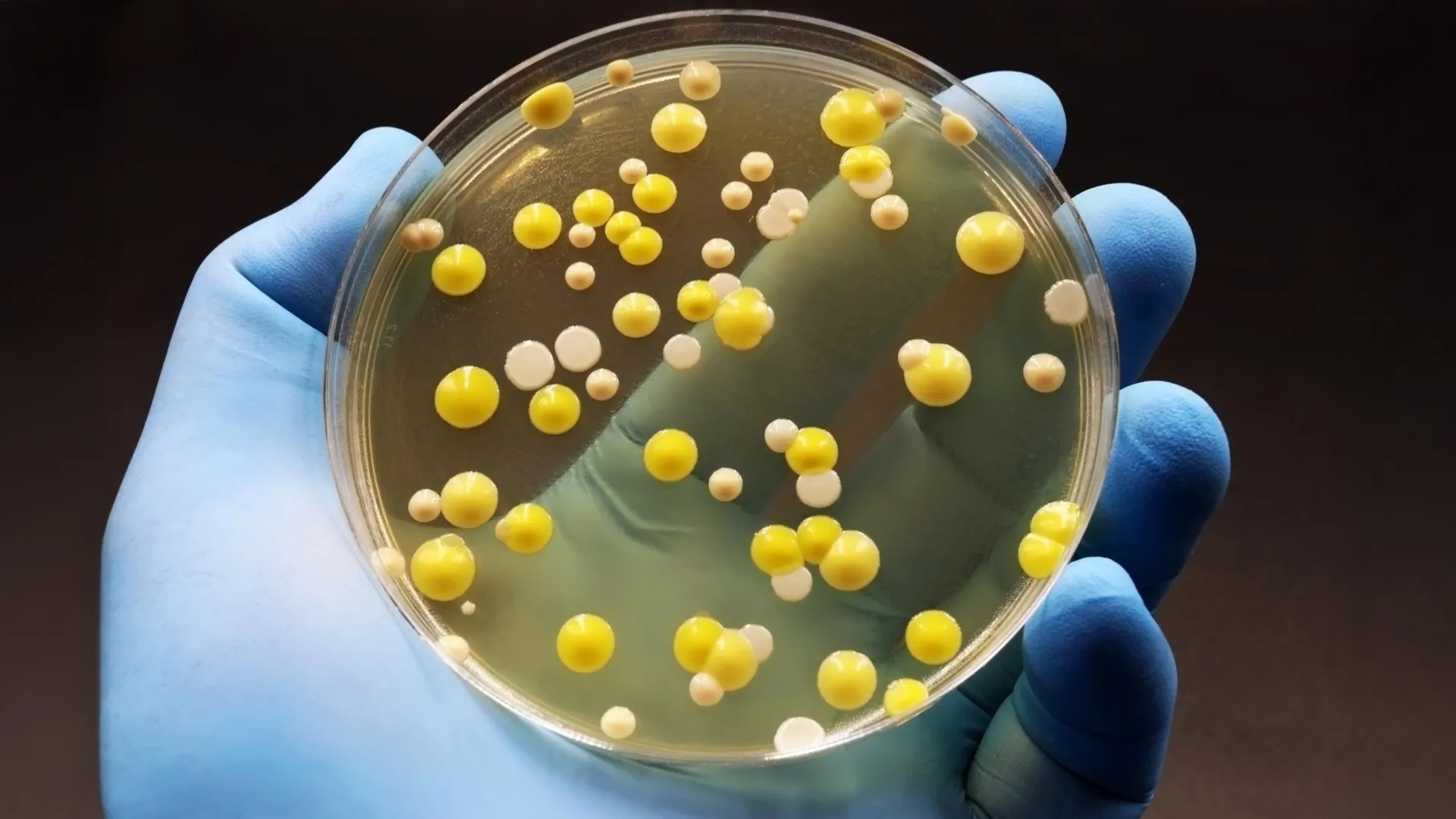
    Graphene kills harmful bacterial ‘superbugs’ but leaves human cells unharmed

    healthadminBy healthadminApril 26, 2026No Comments4 Mins Read
    Graphene kills harmful bacterial ‘superbugs’ but leaves human cells unharmed
    Share
    Facebook Twitter Reddit Telegram Pinterest Email


    Hygiene management is important for everyday items that come into direct contact with the body, such as clothes, masks, and toothbrushes. Scientists have discovered how graphene can selectively eliminate bacteria without harming human cells. This discovery points to a new class of antimicrobial materials that are safe for humans and can reduce reliance on traditional antibiotics.

    KAIST recently announced that a joint research team led by Professor Sang Ouk Kim from the Department of Materials Science and Engineering and Professor Hyun Jung Chung from the Department of Biological Sciences has identified the mechanism behind the antibacterial properties of graphene oxide (GO). This material consists of a single atomic layer of carbon with oxygen groups attached to it, which disperses well in water and has the ability to perform a variety of functions.

    Until now, scientists did not fully understand how graphene achieved its antibacterial effects. This study provides clear molecular-level evidence explaining how the material works.

    Explanation of selective antibacterial action

    Researchers have discovered that graphene oxide performs what is called “selective antimicrobial action.” It attaches to bacteria and destroys cell membranes, but has no effect on human cells. This process is similar to how magnets only stick to certain metals.

    This selectivity comes from the oxygen-containing groups on the surface of graphene oxide. These groups specifically bind to a molecule called POPG. POPG is present in bacterial cell membranes, but not in human cells. Simply put, graphene oxide identifies unique features of bacteria and attaches to them, disrupting the cell structure. Phospholipids make up the membranes around cells, and POPG is the type found primarily in bacteria.

    Effective against superbugs and promotes healing

    When applied in the form of nanofibers, this material was able to stop the growth of a wide range of harmful bacteria, including super-virulent bacteria that are resistant to antibiotics. Tests on animals have also shown that it speeds up wound healing without causing inflammation.

    Another advantage is durability. Fibers made with graphene oxide retain their antibacterial properties even after repeated washing, suggesting great potential for use in clothing, medical textiles, and other practical applications.

    From laboratory discoveries to real-world products

    This technology is already being used in consumer products. The graphene antibacterial toothbrush, developed with a patent by the faculty-led startup Materials Creation Co., Ltd., has been a huge commercial success, selling more than 10 million units. In addition, GrapheneTex, a fiber material incorporating this technology, will be used in the uniforms of the taekwondo demonstration team at the 2024 Paris Olympics. It is also expected to appear as functional sportswear at upcoming major events such as the 2026 Asian Games.

    Expanding applications beyond clothing

    Professor Sang Ouk Kim explained, “This study is a scientific example of why graphene can selectively kill bacteria while remaining safe for humans.” He added: “This principle can be extended beyond safe clothing without harsh chemicals to a limitless range of applications, including wearable devices and medical textile systems.”

    Sujin Cha (Doctoral student, Department of Materials Science and Engineering) and Ju Yeon Chung (Integrated Master’s/Doctoral student, Department of Biological Sciences) contributed as first authors. Professor Chung Hyun Jeong served as co-special author. The findings were published March 2 in the journal Advanced Functional Materials.

    The research also attracted attention from Nanowerk, a global nanotechnology platform, which featured it in a “spotlight” with the title “Graphene oxide destroys bacteria without harming human tissue.”

    Research support and funding

    This research was supported by the Nano and Materials Technology Development (R&D) Program, the Individual Basic Research Program, and the Mid-Career Researcher Support Program, all funded by the Ministry of Science, Information and Communications.


    Source link

    Visited 21 times, 1 visit(s) today
    Share. Facebook Twitter Pinterest LinkedIn Telegram Reddit Email
    Previous ArticleNew study finds fish oil may be damaging the brain
    Next Article Sewage threatens coral reefs around the world, including marine protected areas
    healthadmin

    Related Posts

    Navigating the 2025-2030 Dietary Guidelines for Cardiometabolic Prevention

    October 8, 2026

    Bridging the Gaps in 2025-2030 Dietary Guidelines for Metabolic Health

    September 22, 2026

    The Challenge of Updating Dietary Guidelines for Metabolic Health in Clinical Practice

    September 20, 2026

    Navigating Confusion Around the 2025-2030 Dietary Guidelines

    September 18, 2026

    Navigating Gaps in 2025-2030 Dietary Guidelines for Clinical Practice

    September 10, 2026

    Navigating 2025 Dietary Guidelines Challenges in Clinical Practice

    September 3, 2026
    Add A Comment

    Comments are closed.

    Categories

    • Daily Health Tips
    • Discover
    • Environmental Health
    • Exercise & Fitness
    • Featured
    • Featured Videos
    • Financial Health & Stability
    • Fitness
    • Fitness Updates
    • Health
    • Health Technology
    • Healthy Aging
    • Healthy Living
    • Holistic Healing
    • Holistic Health & Wellness
    • Medical Research
    • Medical Research & Insights
    • Mental Health
    • Mental Wellness
    • Natural Remedies
    • New Workouts
    • Nutrition
    • Nutrition & Dietary Trends
    • Nutrition & Superfoods
    • Nutrition Science
    • Pharma
    • Preventive Healthcare
    • Professional & Personal Growth
    • Public Health
    • Public Health & Awareness
    • Selected
    • Sleep & Recovery
    • Top Programs
    • Weight Management
    • Workouts
    Popular Posts
    • 1773313737_bacteria_-_Sebastian_Kaulitzki_46826fb7971649bfaca04a9b4cef3309-620x480.jpgHow Sino Biological ProPure™ redefines ultra-low… March 12, 2026
    • pexels-david-bartus-442116The food industry needs to act now to cut greenhouse… January 2, 2022
    • 1773729862_TagImage-3347-458389964760995353448-620x480.jpgDespite safety concerns, parents underestimate the… March 17, 2026
    • 1774403998_image_28620e4b6b0047f7ab9154b41d739db1-620x480.jpgGait pattern helps distinguish between Lewy body… March 24, 2026
    • 1773209206_futuristic_techno_design_on_background_of_supercomputer_data_center_-_Image_-_Timofeev_Vladimir_M1_4.jpegMulti-agent AI systems outperform single models… March 11, 2026
    • Leukemia-620x480.jpgBiomimetic platform powers CAR T therapy for… March 9, 2026

    Demo
    Stay In Touch
    • Facebook
    • Twitter
    • Pinterest
    • Instagram
    • YouTube
    • Vimeo
    Don't Miss

    Navigating the 2025-2030 Dietary Guidelines for Cardiometabolic Prevention

    By healthadminOctober 8, 2026

    An evidence-based analysis of the 2025-2030 Dietary Guidelines for Americans, focusing on cardiometabolic prevention, protein recommendations, time-restricted eating, and precision nutrition using metabolomics for dietitians and researchers.

    The Digital Health Challenge Facing Founders and Engineers in 2026

    October 7, 2026

    The Mental Health Crisis: What Psychiatrists and Policymakers Must Address Now

    October 6, 2026

    Navigating the Flood of New Clinical Trial Data

    October 5, 2026

    Subscribe to Updates

    Get the latest creative news from SmartMag about art & design.

    HealthxMagazine
    HealthxMagazine

    At HealthX Magazine, we are dedicated to empowering entrepreneurs, doctors, chiropractors, healthcare professionals, personal trainers, executives, thought leaders, and anyone striving for optimal health.

    Our Picks

    Navigating the Flood of New Clinical Trial Data

    October 5, 2026

    The Urgent Gaps in Mental Health Care Access and Quality

    October 4, 2026

    Integrating Medications and Non-Pharmacological Approaches: Addressing Gaps in Evidence-Based Psychiatric Care

    October 3, 2026
    New Comments
      Facebook X (Twitter) Instagram Pinterest
      • Home
      • Privacy Policy
      • Our Mission
      © 2026 ThemeSphere. Designed by ThemeSphere.

      Type above and press Enter to search. Press Esc to cancel.