


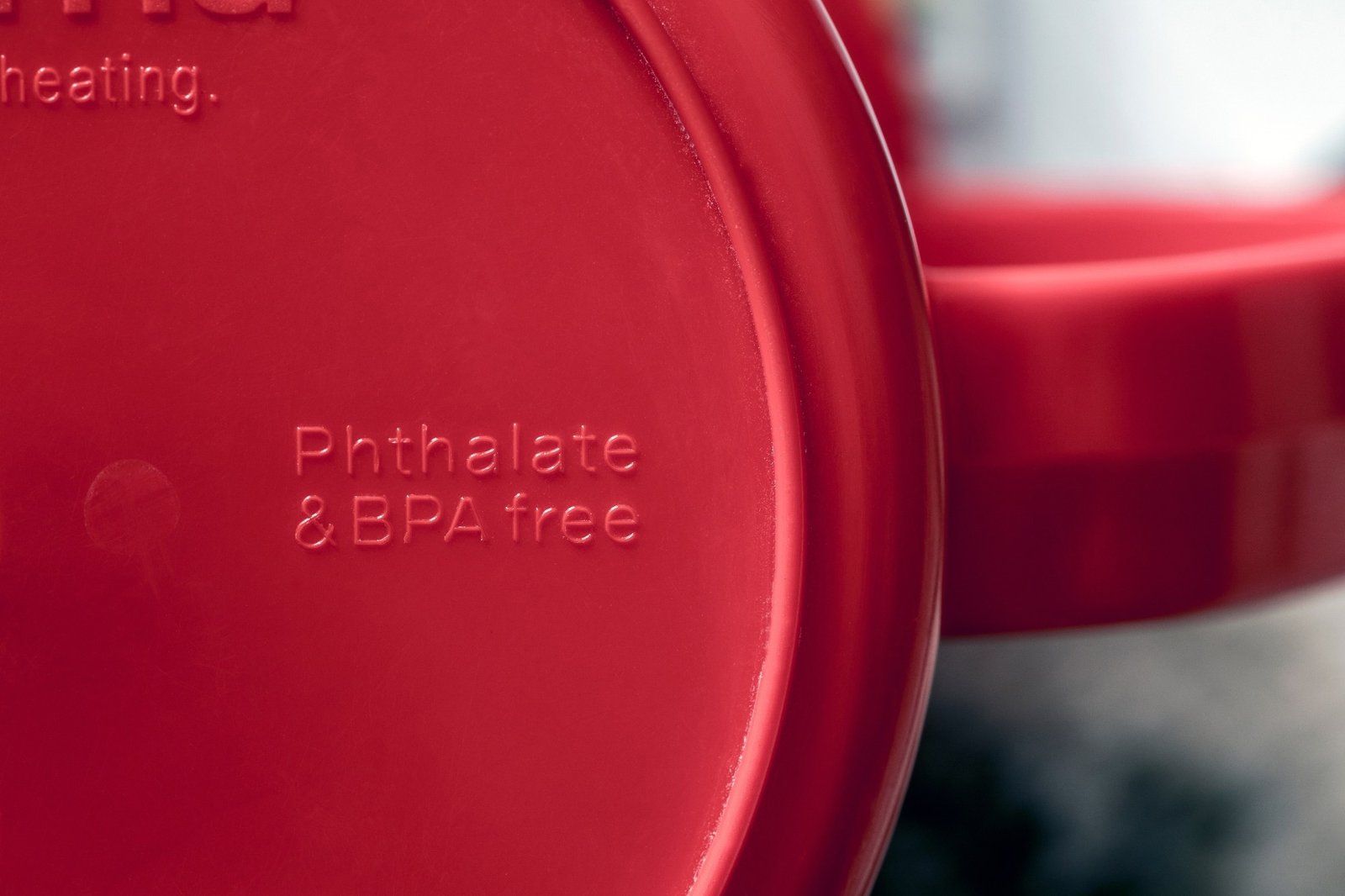
Short-term randomized trials suggest that reducing contact with plastics across food sourcing, processing, packaging, and preparation can rapidly reduce some plastic-related chemicals in the body, providing a real-world glimpse into how daily dietary choices shape exposure.
In a recent study published in the journal natural medicineresearchers characterized levels of plastic-associated chemicals (PACs) in the urine of healthy adults.
Plastics are ubiquitous in our daily lives and we are exposed to harmful PACs. For example, bisphenols and phthalates are established endocrine disruptors. Exposure to bisphenols and phthalates is associated with adverse health effects such as metabolic syndrome and cardiovascular disease. Most of these studies on the health effects of PAC have been observational, with only a few trials examining whether changing the route of exposure reduces urinary PAC levels.
PERTH study design and exposure assessment
In the current study, researchers described the results of the Reducing Plastic Exposure Transforming Health (PERTH) trial. They recruited 211 healthy Australian adults (123 women and 88 men) for a longitudinal cohort study, and 60 of them participated in a pilot randomized controlled trial (RCT). In both the cohort study and the RCT, nasal and urine samples were collected on nonconsecutive days.
Participants completed a comprehensive health examination including body composition, physiological, and biochemical measurements. All cohort participants had at least six PACs detected in their urine samples on any given day. Monomethyl phthalate and bisphenol AP were detected in less than 40% of participants. Bisphenol A (BPA) and di(2-ethylhexyl) phthalate (DEHP) were detected in 61.8% and 30.6% of nasal samples.
Additionally, a PAC exposure questionnaire, a 24-hour personal care product (PCP) recall questionnaire, and a 24-hour dietary recall-plastic exposure questionnaire were administered to assess dietary intake and PAC inhalation, dermal absorption, and oral intake. A single exposure model showed that each additional vegetable or fruit intake was associated with a 1.82% decrease in urinary monoisobutyl phthalate (MiBP) and a 6.99% increase in bisphenol S (BPS).
In multiple exposure models, increased vegetable and fruit intake was associated with increased urinary BPS, and increased fat and oil intake was associated with decreased urinary BPS. The team then calculated a total dietary plastic (TDP) score to estimate the number of plastic contact points in food and beverages. The average TDP score was 41.6 per day, with women consuming more food packaged in plastic than men.
Nutritional sources, personal care products, and body composition findings
Each unit increase in TDP score was associated with an approximately 0.09% increase in urinary mono(2-ethyl 5-hydroxyhexyl) phthalate. Similarly, urinary BPA increased by 14.3% with each canned product consumed. Additionally, increased use of PCPs, such as hair, makeup, and skin products, was associated with increased levels of low molecular weight phthalates in urine, such as mono(3-carboxypropyl) phthalate (MCPP) and monoethyl phthalate (MEP).
Among body composition parameters, higher obesity was associated with decreased urinary PAC. One standard deviation (SD) higher was associated with 16.3% lower BMI and 16.3% lower monobenzyl phthalate (MBzP). Additionally, a 1 SD increase in waist circumference was associated with a 22% lower MCPP. In this healthy cohort, we also observed a cross-sectional association between elevated urinary DEHP metabolite levels and cardiometabolic biomarker levels.
For example, high urinary mono(2-ethyl-5-oxohexyl) phthalate concentrations were associated with a 30.5% decrease in lipoprotein(a) and a 24.7% decrease in high-sensitivity C-reactive protein (hsCRP). Similarly, higher MCPP levels were associated with lower fasting serum glucose levels, but higher PAC exposure did not prove beneficial. In a 7-day pilot RCT, participants were randomly assigned to one of five groups.
Low plastic intervention trial results
Group 1, low-plastic foods with minimal plastic contact points throughout production, processing, packaging, storage, and preparation, had a 46.7% reduction in urinary MBzP, 31.5% mono-n-butyl phthalate (MnBP), and 58.5% reduction in bisphenols compared to controls (group 5; no intervention). Additionally, the low-plastic food and plastic-free kitchenware interventions (group 2) resulted in greater reductions in urinary MBzP, MnBP, and BPA than controls. The low plasticity PCP intervention (group 3) only reduced urinary MnBP by 35.3% compared to control.
Notably, group 4, which included low-plastic foods, plastic-free kitchenware, and low-plastic PCP, had the greatest reduction in urinary MnBP (-44.1%) compared to controls. Replacing foods and beverages with low-plastic alternatives had no effect on average daily energy intake in groups 1, 2, or 4, or on saturated fat intake in groups 2 or 4. No adverse events or safety concerns emerged in the RCT.
The impact of reducing exposure to plastics
In summary, PAC exposure was ubiquitous in healthy adults, with packaged, processed, and canned foods contributing to exposure. In short-term RCTs, replacing the diet with low-plastic alternatives, with or without low-plastic PCP and/or plastic-free kitchenware, was associated with significant reductions in urinary bisphenols, MBzP, and MnBP. Further research is needed to investigate the causal relationship between PAC exposure and human health effects, and whether reducing exposure improves long-term health outcomes.
Reference magazines:
- Halley, A.J., Lucas, A.D., Hellman, SE., Vlaskowski, P.S., Elagali, A., Shiwu, B.J., Zhang, D.C., Chiargi, D., Kulkarni, R., Trevenen, M., Wang, X., Mueller, J., Thomas, K.V., Papendorf, H., Miller, C., Gaudieri, S., Smith, T., Salman, S., Murray, K., . . Lucas, M. (2026). Low-plastic diet and urinary levels of plastic-associated phthalates and bisphenols: the randomized controlled PERTH trial. natural medicine1-13. Doi: 10.1038/s41591-026-04324-7, https://www.nature.com/articles/s41591-026-04324-7
